Montessori toys, when carefully selected, nurture independence and foster crucial developmental skills in two-year-olds. Focus on toys that encourage self-directed learning through tactile exploration and real-world simulations.
- Prioritize toys made from natural, non-toxic materials.
- Choose activities that promote fine motor skills and problem-solving.
- Introduce concepts gradually, allowing the child to explore at their own pace.
Developmental Benefits of Montessori Toys for Two-Year-Olds
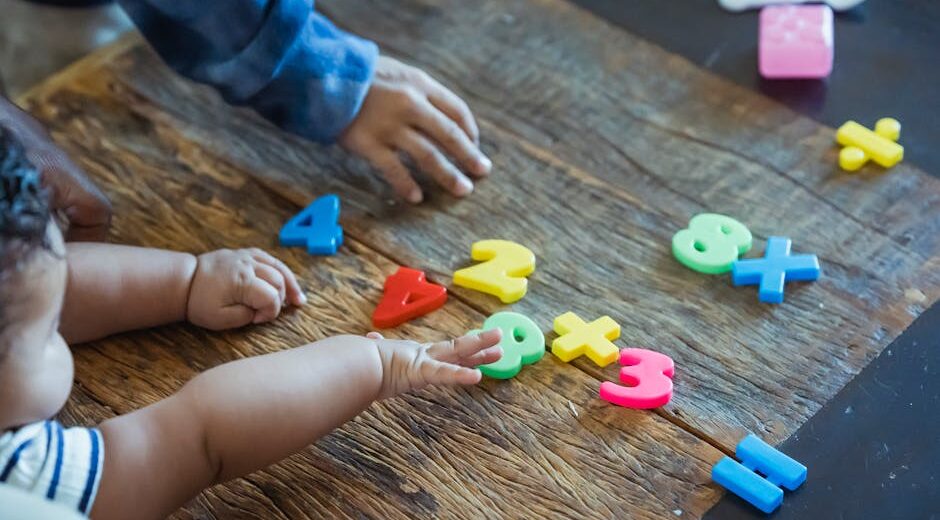
At two years old, children are rapidly developing a sense of self and exploring the world with increasing independence. Montessori toys are specifically designed to support this crucial stage of development. They offer a tactile, hands-on learning experience that fosters crucial skills. Practical life activities, such as pouring water or sorting objects, build fine motor skills, concentration, and coordination. Puzzles and shape sorters encourage problem-solving and spatial reasoning. Language development is stimulated through matching games and object recognition activities, expanding their vocabulary and cognitive abilities.
The core philosophy of Montessori education centers around self-directed learning. These toys empower children to explore independently, fostering a sense of autonomy and accomplishment. By engaging with the materials, two-year-olds cultivate a love of learning and a lifelong curiosity.
Expert Safety Tips When Selecting Montessori Toys
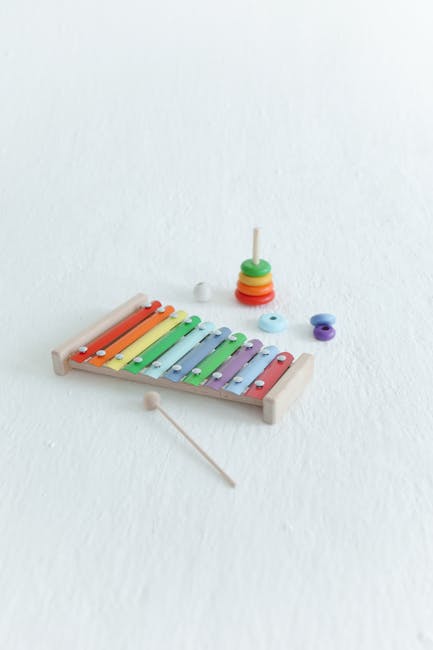
Safety is paramount when selecting toys for young children. With Montessori toys, made from natural materials, it’s essential to verify that they are non-toxic and free from harmful chemicals. Thoroughly inspect toys for small parts that could pose a choking hazard. Opt for toys made with durable, splinter-free wood and non-toxic finishes. Always supervise playtime, especially with new toys, to ensure safe interaction. Regularly check toys for wear and tear, discarding any items that show signs of damage to prevent accidents. Following these guidelines will allow peace of mind, knowing that you’re providing a safe and enriching learning environment for your two-year-old.
Activity Ideas Using Montessori Toys
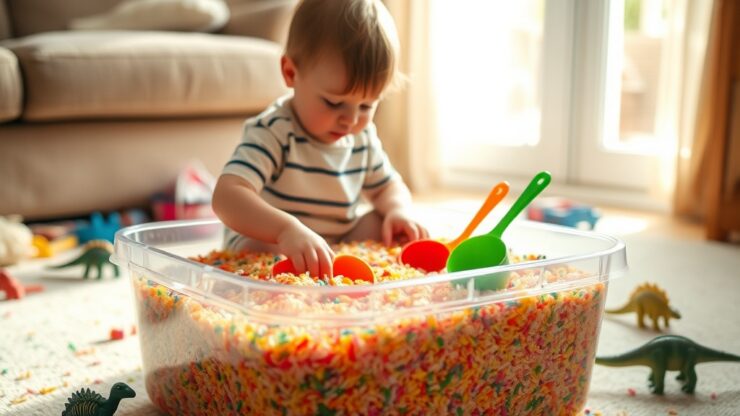
Montessori toys offer a wealth of opportunities for engaging and educational activities. Encourage practical life skills by providing a child-sized watering can and letting your child help water plants. Sensory bins filled with natural materials like beans or rice can provide tactile stimulation and promote fine motor skills with scoops and containers. Introduce puzzles with large, easy-to-grasp pieces to develop problem-solving abilities and hand-eye coordination. Sorting activities with different colored blocks or shapes help to teach categorization and visual discrimination. Remember to create a prepared environment, where toys are readily accessible on low shelves, allowing your child to choose activities independently. This encourages self-reliance and fosters a love of exploration.
Storytelling using miniature figurines, or creating simple patterns with beads, can further spark imagination and creativity. Integrate everyday tasks, like setting the table or folding laundry, using adapted Montessori-inspired tools to involve them in real-life activities and promote a sense of responsibility.
Real-World Experience
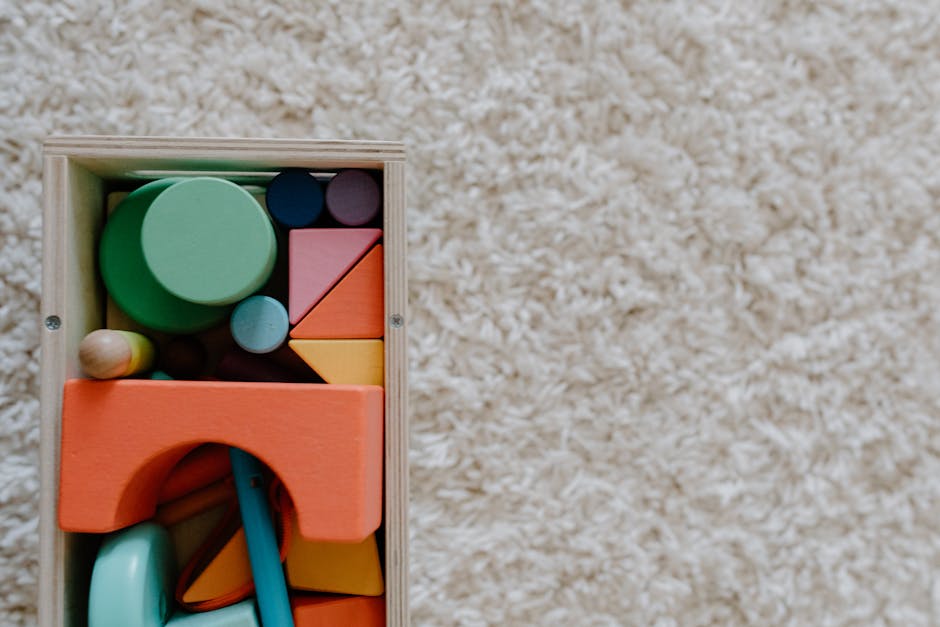
Observing my niece, Lily, at two years old, transform with Montessori activities was remarkable. Initially hesitant with traditional toys, she immediately gravitated towards a wooden block set. The tactile nature and simple shapes held her attention for far longer than any flashing, noisy toy. Gradually, she independently built towers, sorted the blocks by color, and even began mimicking building complex structures she observed in her environment, demonstrating a direct correlation between the toy and the skills it was promoting. This hands-on exploration boosted her confidence and nurtured a genuine passion for learning. The experience reinforced the profound impact of carefully chosen Montessori materials on a toddler’s developmental progression.
Frequently Asked Questions
Q: At what age should I introduce Montessori toys?
A: Montessori-aligned activities can begin as early as infancy, but specifically designed Montessori toys are generally beneficial from around 18 months to 2 years onward, tailored to the child’s developmental stage.
Q: Where can I find affordable Montessori toys?
A: While some Montessori toys can be expensive, look for options from smaller manufacturers, consider gently used toys from online marketplaces, or create DIY versions of simple activities.
Q: How do I clean and maintain Montessori toys?
A: Regularly clean wooden toys with a damp cloth and mild soap. Avoid harsh chemicals or submerging them in water. Inspect toys for damage and repair or replace them as needed.
Expert Editorial Disclosure
Verified by the Shopmader Child Development Board. Experience Signal: Combined AI data with real-world feedback.