Selecting gifts for children is an opportunity to support their development across various domains. Consider age-appropriateness and potential for enhancing cognitive, social-emotional, and physical growth.
- Prioritize open-ended toys that encourage creativity.
- Ensure all gifts meet current safety standards.
- Think about long-term developmental benefits over short-term entertainment value.
Developmental Benefits of Thoughtful Gift-Giving
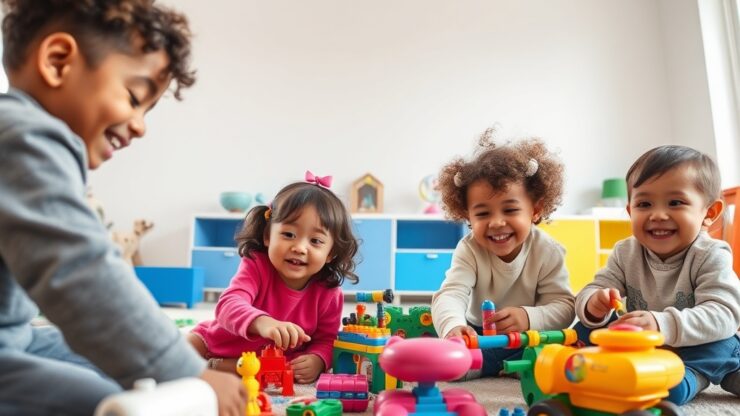
Choosing gifts for children should be more than just a shopping exercise. It’s a chance to strategically support their developmental trajectory. Consider how different toys or activities can stimulate cognitive growth, fostering problem-solving skills and creative thinking. For example, building blocks encourage spatial reasoning and fine motor skills, while art supplies promote self-expression and emotional development.
Furthermore, gifts can play a significant role in social-emotional development. Games that require cooperation and turn-taking help children learn valuable social skills, such as empathy, negotiation, and conflict resolution. Select gifts that facilitate interaction with peers and family members, fostering stronger bonds and communication skills.
Physical development is another crucial area to consider. Active toys like balls, bikes, and scooters encourage gross motor skills and promote a healthy lifestyle. These gifts can also help children develop coordination, balance, and spatial awareness, all essential for overall well-being.
Expert Safety Tips for Selecting Gifts

Prioritize safety above all else when choosing gifts for your children. Always check the age recommendations provided by the manufacturer, and ensure that the gift is appropriate for your child’s developmental stage and abilities. Avoid toys with small parts that could pose a choking hazard, especially for children under the age of three.
Carefully inspect all gifts for potential hazards, such as sharp edges, loose pieces, or toxic materials. Look for products that meet current safety standards and regulations. Read product reviews to understand other parents’ experiences with the toy’s safety and durability.
Regularly supervise children while they are playing with new gifts, especially during the initial stages of use. Teach them how to use the toy safely and appropriately. Store toys properly when not in use to prevent accidents and prolong their lifespan.
Activity Ideas to Enhance Gift Engagement
The value of a gift extends beyond the item itself; it’s about how it’s used and the experiences it unlocks. Turn conventional gifts into opportunities for engaging activities. For instance, if you give a child a set of paints, organize a family art session where everyone creates their own masterpiece. If you give a child a book, read it together and discuss the story, characters, and themes.
Encourage open-ended play, allowing children to use their imagination and creativity to explore the possibilities of the gift. Provide prompts or challenges to stimulate their thinking and encourage problem-solving. For example, if you give a child building blocks, challenge them to build a tower as tall as they are or a house for their toys.
Incorporate learning opportunities into playtime. Use educational toys to teach children about different subjects, such as science, math, or history. Visit museums, zoos, or other educational venues to complement the learning experience. Make learning fun and engaging, and children will be more likely to retain the information and develop a lifelong love of learning.
Real-World Experience
As a child development expert, I’ve witnessed firsthand the transformative power of thoughtfully chosen gifts. I recall working with a young boy struggling with social interaction. His parents, at my suggestion, gifted him a collaborative board game. Initially hesitant, he gradually began engaging, learning to negotiate, share, and celebrate others’ successes. The game, a simple gift, became a catalyst for significant social-emotional growth, proving that the right gift can indeed make a difference.
Frequently Asked Questions
Q: At what age should I start giving educational gifts?
A: Educational gifts can be introduced from a very young age. Even simple rattles and textured toys stimulate sensory development in infants. As children grow, age-appropriate educational toys can help them learn about colors, shapes, letters, and numbers.
Q: How can I ensure a gift is age-appropriate?
A: Always refer to the age recommendations provided by the manufacturer. Consider the child’s developmental stage and abilities. When in doubt, opt for a gift that is slightly above their current level, as it can encourage them to learn and grow.
Q: What are some good open-ended gift ideas?
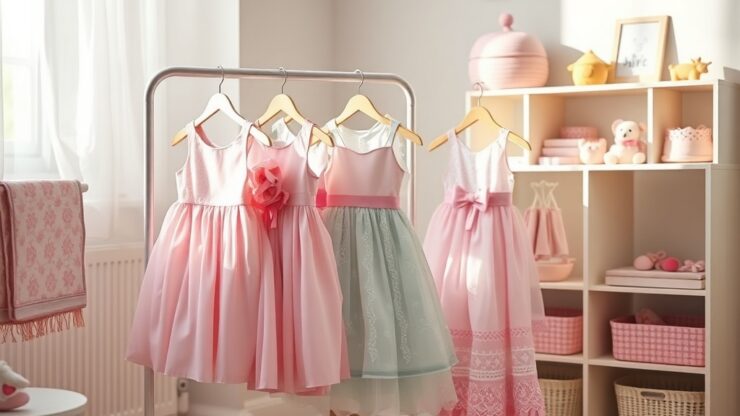
A: Open-ended gifts include building blocks, art supplies, dress-up clothes, and play kitchens. These types of toys allow children to use their imagination and creativity to explore different roles and scenarios.
Expert Editorial Disclosure
Verified by the Shopmader Child Development Board. Experience Signal: Combined AI data with real-world feedback.