Key Takeaways

Montessori toys for 2-3 year olds enhance critical skills such as problem-solving, fine motor control, and independence through hands-on exploration. These toys should be carefully selected based on safety, developmental appropriateness, and opportunities for open-ended play.
- Focus on real, natural materials like wood and cotton.
- Prioritize toys that encourage practical life skills like pouring and sorting.
- Ensure all toys meet or exceed safety standards for toddlers.
Developmental Benefits of Montessori Style Toys

The Montessori method emphasizes child-led learning and hands-on exploration, fostering independence and a love of learning, especially during the crucial cognitive development stage of 2-3 years. Montessori-inspired toys play a vital role in this process.
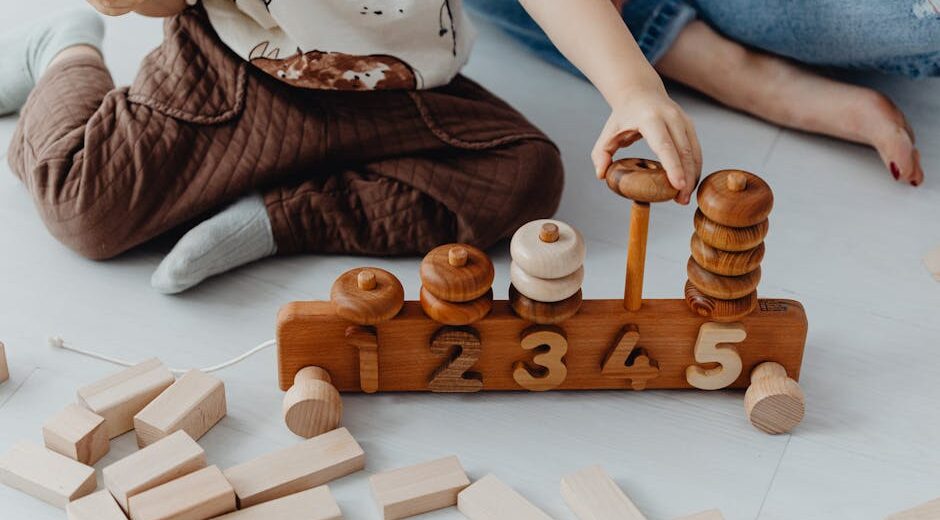
These toys are designed to engage a child’s senses and encourage them to learn through play. For instance, wooden puzzles and stacking rings help develop hand-eye coordination and spatial reasoning. Practical life materials, like child-sized cleaning sets or dressing frames, allow children to practice everyday tasks, boosting their self-confidence and fostering a sense of responsibility. The key is their simplicity and their invitation for children to explore, experiment, and discover at their own pace.
Furthermore, many Montessori toys emphasize fine motor skill development, which is critical during this stage. Activities involving pouring, transferring, and grasping small objects directly contribute to strengthening the muscles in their hands, which sets the foundation for handwriting and other essential skills later in life.
Expert Safety Tips When Considering Toys
Safety is paramount when selecting toys for toddlers. Always choose toys made from non-toxic materials, ideally wood or natural fabrics, ensuring they are free from harmful chemicals like BPA, phthalates, and lead. Pay close attention to the construction of the toy – ensure it’s sturdy and free from small parts that could pose a choking hazard. Any painted surfaces should use non-toxic, child-safe paints.
Regularly inspect toys for any signs of wear and tear, such as splinters, sharp edges, or loose parts. Remove any damaged toys immediately to prevent injuries. Follow age recommendations provided by the manufacturer, as these are designed to ensure the toy is appropriate for a child’s developmental stage and physical capabilities.
Consider the size and weight of the toy, especially for young toddlers. Ensure that tools such as hammers or mallets are not too heavy for them to handle safely. Finally, supervise your child’s playtime, especially when introducing new toys. This allows you to observe how they interact with the toy and address any potential safety concerns as they arise.
Activity Ideas with Montessori Materials
Montessori toys are most effective when incorporated into engaging and meaningful activities. A simple pouring activity, for example, can be set up with dry beans and small pitchers, allowing the child to practice transferring skills. Sorting activities, using colored blocks or shapes, encourage visual discrimination and categorization – use small bowls to help contain the materials.
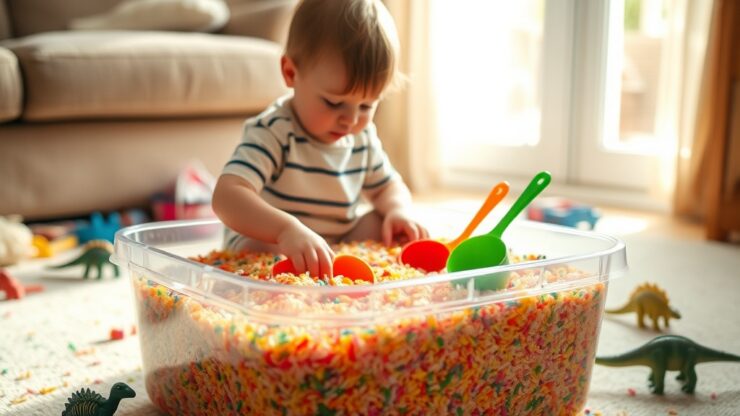
Sensory bins filled with rice, pasta, or water beads (under strict supervision) offer opportunities for tactile exploration and fine motor practice. Introduce simple art activities using child-safe watercolors, crayons, or playdough, encouraging creativity and self-expression. Consider setting up a small “gardening station” with soil, seeds, and child-sized tools to provide hands-on experiences with nature.
Rotate the available toys and activities regularly to keep your child engaged and to provide new learning opportunities. Observe your child’s interests and adapt the activities to meet their individual needs and developmental stage. The goal is to foster curiosity, independence, and a love of learning through play.
Real-World Experience
My own experience with my daughter, Emily, at 2 ½ years old, perfectly illustrates the benefits of Montessori style toys. Initially, she struggled with buttoning her coat. Frustrated, I introduced a dressing frame with large buttons. Over several weeks of playing with this simple toy, her fine motor skills and hand-eye coordination improved dramatically. Not only could she button the frame with ease, but she also began buttoning her own coat independently. The dressing frame not only taught her a practical life skill, but also boosted her confidence and sense of accomplishment. This experience highlighted for me the power of these materials in fostering independence and practical competence at such a young age and why they are worth the long term investment.
Frequently Asked Questions
Q: At what age should I introduce Montessori toys?
A: Montessori-inspired toys can be introduced as early as infancy, with the selection of items evolving alongside the child’s development to stay suitable. For the 2-3 age range, focus on toys that promote practical life skills, fine motor refinement, and sensory exploration.
Q: How do I clean and maintain Montessori toys?
A: Clean wooden toys with a damp cloth and mild soap. Avoid soaking them in water as this can damage the wood. Regularly inspect toys for any signs of wear and tear, and repair or replace them as needed to ensure safety.
Q: Where can I find affordable Montessori materials?
A: Shopmader.com offers a curated selection of high-quality, affordable Montessori materials. You can also often find gently used Montessori toys at consignment shops or online marketplaces.
Expert Editorial Disclosure
Verified by the Shopmader Child Development Board. Experience Signal: Combined AI data with real-world feedback.