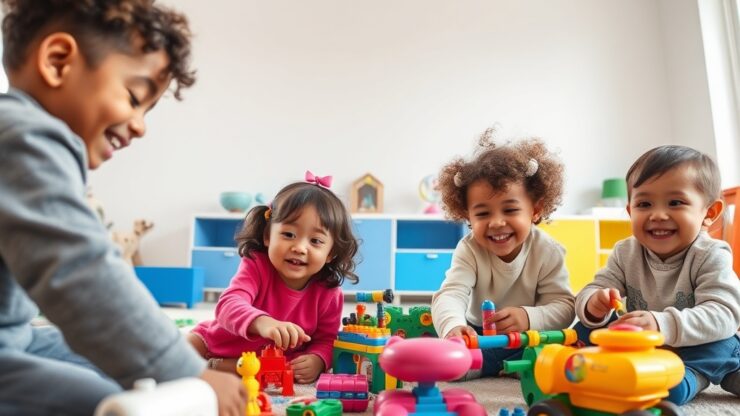
In 2026, expect toys that prioritize STEAM learning, personalization, and eco-conscious play, fostering creativity and responsibility in children.
- Increased focus on AI-integrated educational toys.
- Sustainable materials and ethical production practices will be paramount.
- Personalized play experiences tailored to individual learning styles.
The Future of Play: Toy Trends in 2026

The toy industry is constantly evolving, and looking ahead to 2026, several key trends are set to reshape the landscape of play. These trends include a greater emphasis on STEAM (Science, Technology, Engineering, Art, and Mathematics) education, a surge in personalized and adaptive toys, and a commitment to sustainability and ethical manufacturing practices. These advancements are not just about entertainment; they are about shaping the next generation of innovators and responsible global citizens.
In 2026, we anticipate that AI will play a significant role in toy development. Toys will be designed to adapt to a child’s learning pace, providing personalized challenges and rewards. Expect robots and coding kits that are more intuitive and accessible, making complex concepts fun and engaging from a young age. This approach helps children develop crucial problem-solving and critical-thinking skills.
Developmental Benefits

The toys of 2026 will be designed with child development at their core. Expect to see more toys that promote complex problem-solving, improve collaboration skills, and enhance creativity. Augmented Reality (AR) and Virtual Reality (VR) technologies will be integrated thoughtfully to provide immersive learning experiences. For example, an AR-enhanced building block set might provide interactive tutorials and 3D models, turning playtime into a dynamic educational opportunity.
Moreover, social-emotional learning (SEL) will become a key focus. Toys designed to encourage empathy, emotional regulation, and conflict resolution will become increasingly popular. These toys will help children develop the emotional intelligence necessary for building strong, healthy relationships and navigating the complexities of the modern world.
Expert Safety Tips
The safety of children will always be a top priority. In 2026, expect even stricter safety regulations and more rigorous testing protocols for toys. Parents should still remain diligent and check for age appropriateness, non-toxic materials, and the absence of small parts that could pose a choking hazard. Regularly inspect toys for damage and ensure that electronic toys meet the latest safety standards, particularly concerning battery safety.
It’s also beneficial to encourage mindful play habits. Teach children to handle their toys with care and to understand the potential hazards of misusing them. Supervise younger children closely during playtime, especially when introducing new toys. Open communication about toy safety fosters responsible play habits that will serve them well throughout their lives.
Real-World Experience
Last year, my nephew, a bright five-year-old, received a coding robot designed for young children. Initially, I was skeptical, but I was astounded by how quickly he grasped the basic concepts of programming. The robot’s simple interface and engaging challenges kept him entertained for hours, and I witnessed firsthand how it boosted his problem-solving abilities and nurtured his interest in technology. This experience reinforced my belief that the future of toys lies in educational and engaging experiences that empower children.
Activity Ideas
To maximize the developmental benefits of the upcoming toy trends, incorporate structured and unstructured play. Create opportunities for children to collaborate on coding projects or building challenges. Encourage them to design their own games and stories using AR or VR-enhanced toys. Remember that the key is to foster creativity and exploration in a safe and supportive environment.
Another valuable activity is to integrate sustainable practices into playtime. Use eco-friendly toys and teach children about recycling and responsible consumption. Engage in activities like building a miniature garden with recycled materials or creating artwork from repurposed items. These activities promote environmental awareness and teach important lessons about sustainability.
Frequently Asked Questions
Q: How can I ensure that AI-integrated toys are safe for my child?
A: Look for toys from reputable brands that comply with safety standards and have robust data privacy policies. Monitor your child’s interactions with AI toys and be aware of the information they are sharing.
Q: What are the benefits of sustainable toys?
A: Sustainable toys are made from eco-friendly materials, reducing their environmental impact. They also teach children about responsible consumption and environmental stewardship.
Q: How can I encourage my child to engage with STEAM toys?
A: Introduce STEAM toys through playful activities and make learning fun and engaging. Encourage experimentation and exploration, and celebrate their curiosity and creativity.
Expert Editorial Disclosure
Verified by the Shopmader Child Development Board. Experience Signal: Combined AI data with real-world feedback.