Toy Collecting Trends and Predictions for 2026
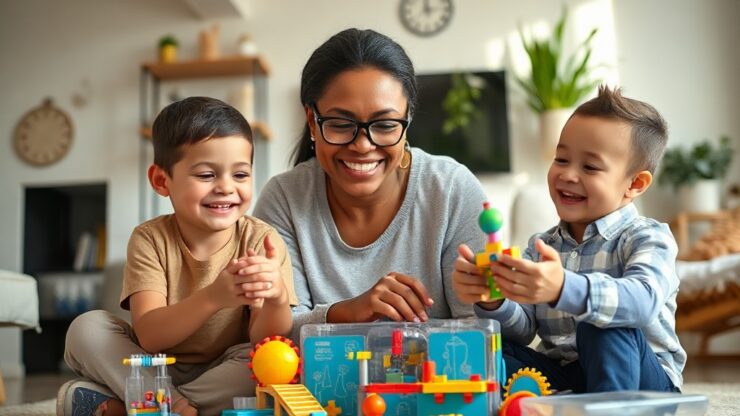
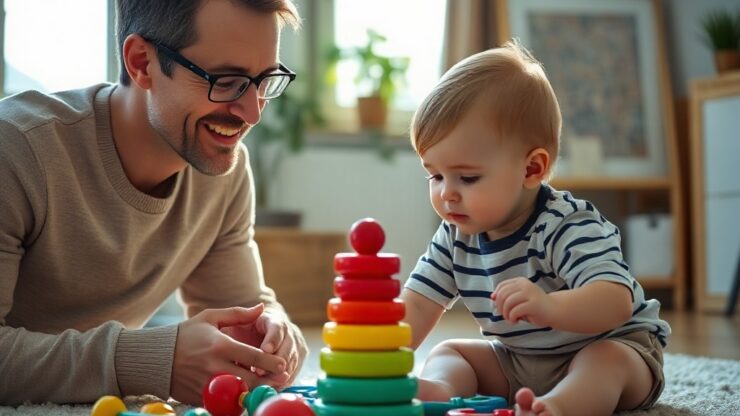
As an experienced Montessori educator and a mother of two, I have always been fascinated by the evolving world of toys. Much like the children they are designed for, toys transform in both purpose and design, adapting to wider societal changes. As we look towards 2026, several intriguing trends in toy collecting are emerging, and I am excited to share my insights, grounded in both research and daily familial interactions.
The Rise of Eco-Friendly Toys
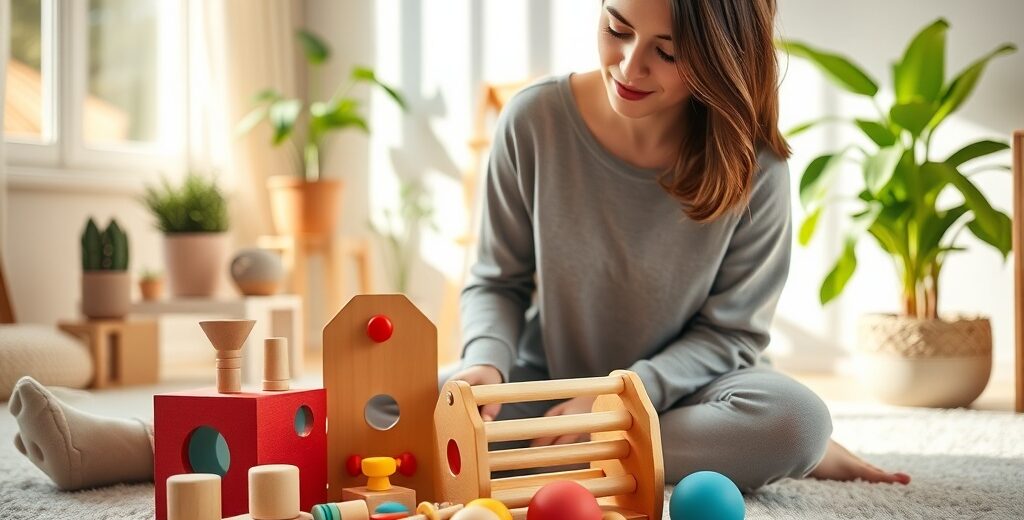
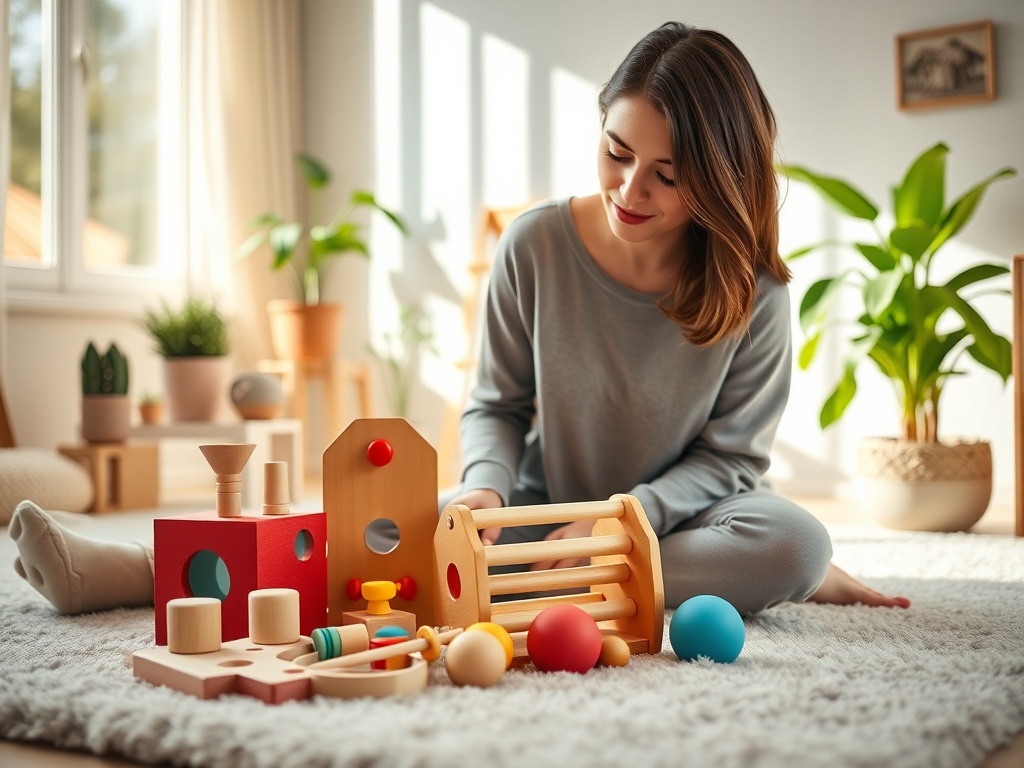
In recent years, there has been a significant shift in consumer consciousness towards sustainability, which is profoundly influencing the toy industry. Parents like myself are increasingly opting for eco-friendly toys made from sustainable materials. Toys crafted from wood, organic cotton, and recycled materials are becoming more popular, as they offer a responsible alternative to traditional plastic toys.
This trend is not just about environmental impact; it’s also about teaching children the importance of caring for our planet. Introducing these values from an early age, through toys, is an effective way to instill environmental stewardship.
Interactive and Educational Smart Toys
As technology continues to advance, smart toys are becoming increasingly sophisticated. These toys often feature interactive components, such as voice recognition and responsive movements, which provide children with a more engaging learning experience. As a Montessori educator, I appreciate how these toys can complement traditional educational methods.
In 2026, we can expect toys that blend digital and physical play more seamlessly. For instance, toys that adapt to a child’s unique learning pace and offer personalized feedback can be invaluable tools in both homes and classrooms. These toys encourage children to explore STEM concepts while retaining the joy and creativity inherent in play.
Retro Revival: Nostalgia Takes Center Stage
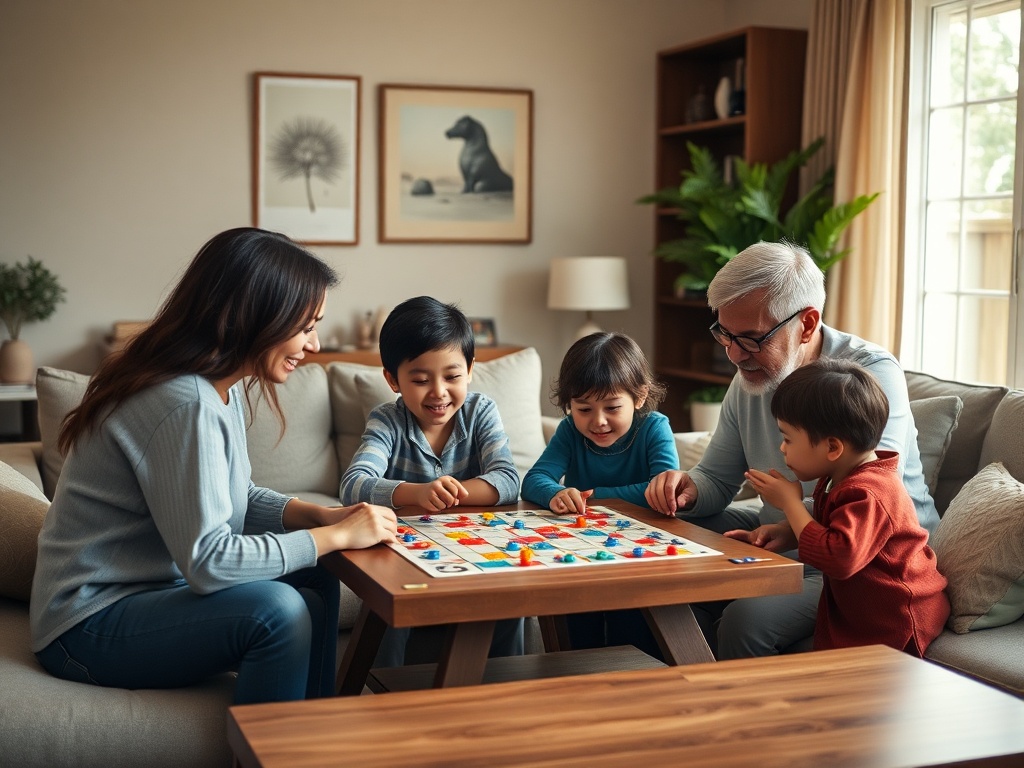
The cyclic nature of trends means that what once was old becomes new again. Over the next few years, toy manufacturers are drawing heavily on nostalgia to engage parents and grandparents. Classic brands are releasing updated versions of their iconic products, bringing multi-generational play experiences into households.
Many parents cherish the idea of sharing beloved toys from their own childhood with their children. This revival not only sparks fond memories but also creates a bridge between generations, enhancing the bond between old and young.
Open-Ended Play and the Return to Simplicity
Despite the rise of electronic and interactive toys, there is a growing movement towards simplicity in play. Parents are seeking toys that encourage open-ended play, where the boundaries are dictated by the child’s imagination instead of rigid instructions. These toys foster creativity, problem-solving skills, and emotional expression.
Simplicity in toys, such as building blocks or simple craft kits, allows children to construct, deconstruct, and reconstruct their own play worlds. Such toys are timeless, highlighting the universal appeal of unstructured play that transcends generations.
Personalized and Customizable Toy Experiences
Advancements in technology have allowed for greater customization in toys, catering to individual tastes and preferences. This trend reflects a broader societal shift towards personalization across many consumer products, including clothing and electronics.
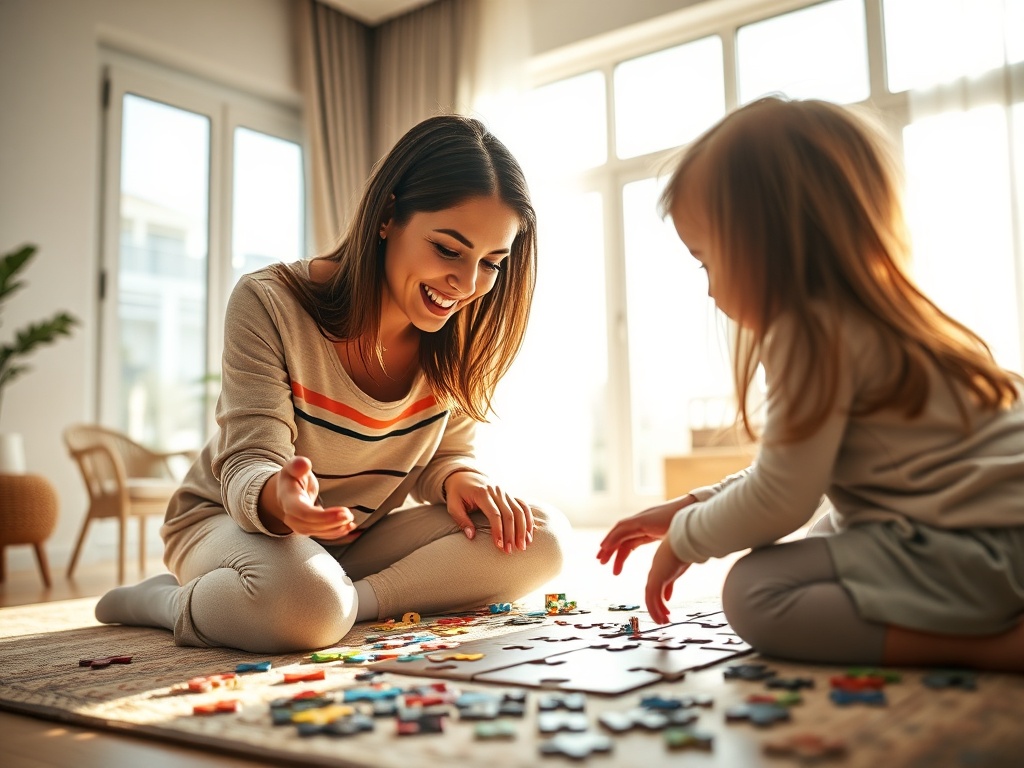
Imagine a doll that a child can design, from the color of its eyes to its wardrobe, or a puzzle featuring a family photograph. These personalized experiences not only delight children but also offer them a sense of agency and ownership over their toys.
Community and Shared Toy Libraries
As homes become more conscious of consumption, many families are turning to shared resources. Toy libraries—a concept that merges the joy of play with community sharing—are projected to grow in popularity. These libraries offer children access to a wider variety of toys while teaching the values of sharing and resourcefulness.
Children not only enjoy a vast array of toys without the associated cost, but they also learn to appreciate the rotational nature of such a system. In this setting, children anticipate new experiences rather than ownership, aligning with the growing minimalist trend.
In conclusion, the future of toy collecting is as diverse and dynamic as the imaginations of the children who play with them. As we look to 2026, these trends not only reflect evolving consumer preferences but also highlight the deeper significance of toys in childhood development and family bonding. As both an educator and a parent, observing and participating in this evolution is nothing short of exhilarating.
From the Shopmader Community
Real voices. Real play. We value every parent’s honest journey.