2026 Toy & Play Trends: A Father’s Journey
Introduction: A New Era of Play
As we step into 2026, the world of toys and play is undergoing an exhilarating transformation. As a stay-at-home dad, I, Mike, have the unique privilege of witnessing these changes firsthand through the eyes of my children. While some trends aim at blending technology and tradition, others stress the importance of sustainability and educational value. Join me as I explore these fascinating developments and share my family’s experience navigating this evolving landscape.
Section 1: Smart Toys and Interactive Learning
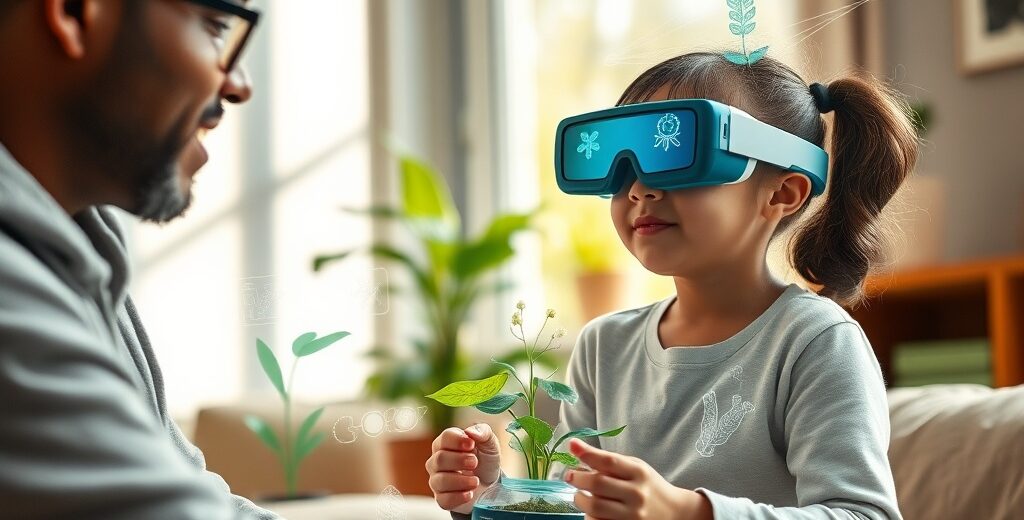
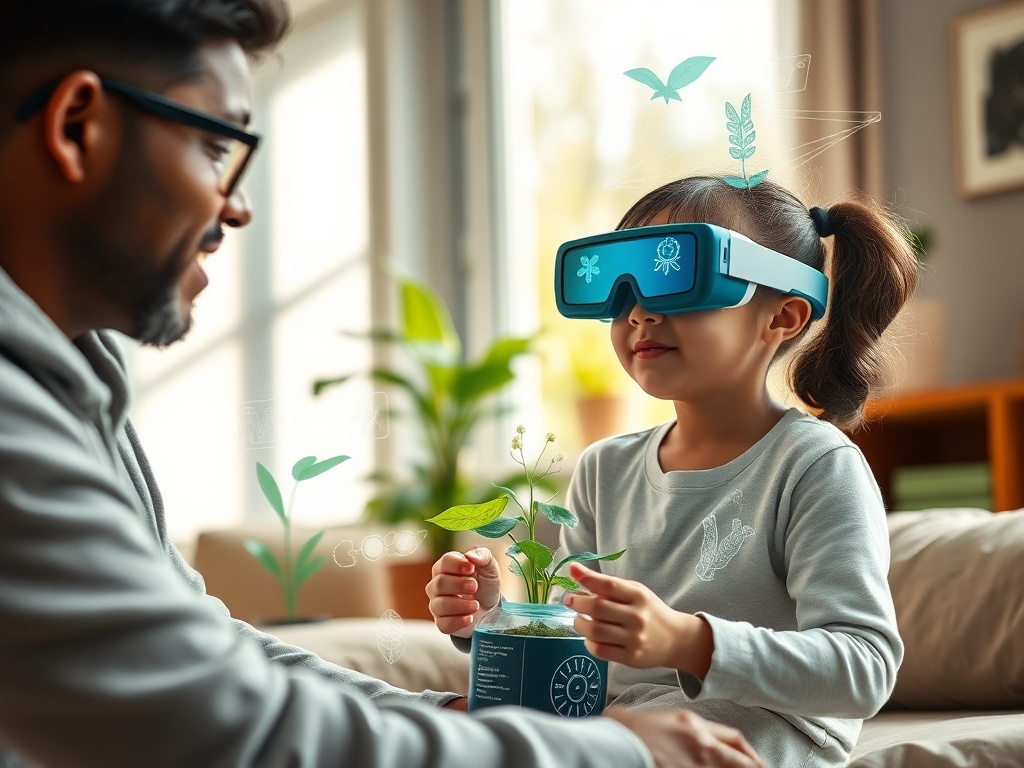
In recent years, toys have evolved beyond basic entertainment, becoming interactive tools for learning and development. The market is overflowing with smart toys that incorporate AI and AR technologies, which personalize learning experiences for children. My daughter, Emily, has become particularly enamored with an “A.I. Botanist” kit—it teaches her about plant biology and ecosystems through immersive augmented reality experiences.
These toys are game-changers; they adapt to each child’s learning pace and foster an engaging educational environment right at home. Watching Emily’s eyes light up as she “plants” her virtual garden was just as exciting for me as it was for her. These innovations highlight the potential for playtime to serve as a platform for learning essential skills in an increasingly digital world.
Section 2: Sustainability Takes Center Stage
Sustainability has become a cornerstone of contemporary toy production, aligning with global efforts to nurture our environment. Many companies now prioritize eco-friendly materials and ethical production practices. My youngest, Oliver, loves his new stackable toy blocks made from recycled materials, non-toxic dyes, and organic paints. With these, he builds towers and castles with a palpable pride, knowing they are kind to the Earth.
As a parent, these sustainable choices reassure me that the toys I purchase align with our family’s values. It’s heartwarming to see Oliver giggle as he stacks blocks not only higher but with a conscious understanding that he’s playing his own small part in taking care of our planet.

Section 3: Inclusivity in Toy Design
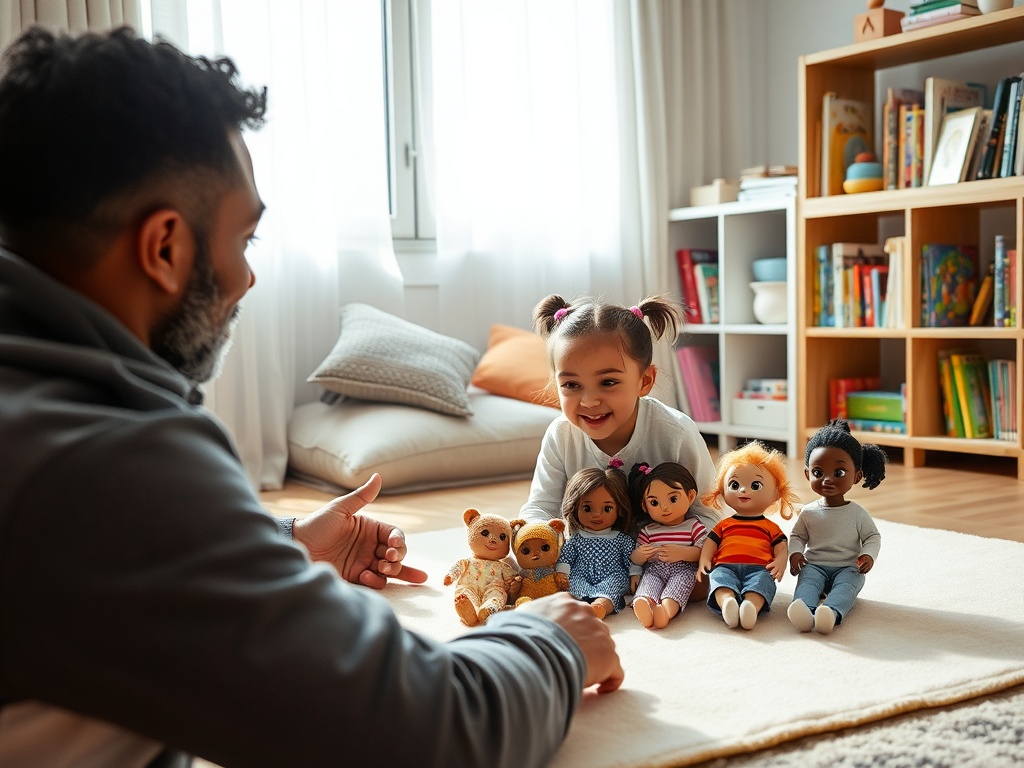
Another transformative trend is inclusivity in toy design. These toys provide representation for children of all backgrounds, abilities, and inclinations, fostering an inclusive play environment. For instance, my wife and I recently gifted Emily a diverse doll set, complete with characters from a variety of races and with different abilities, including one in a wheelchair.
It’s pivotal for children to see themselves and others reflected in their playthings. I’ve watched in awe as Emily’s imaginative play evolved to include stories that embrace diversity and empathy, depicting adventures where everyone, regardless of their background, contributes and has value. This shift not only broadens her worldview but also nurtures her into a more compassionate human being.
Section 4: Family Engagement and Cooperative Play
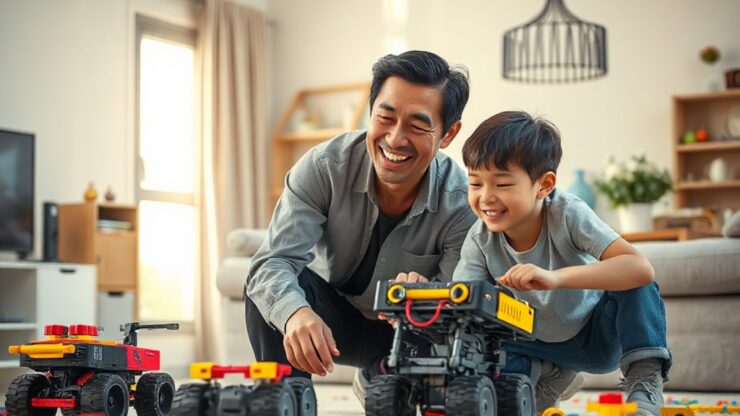
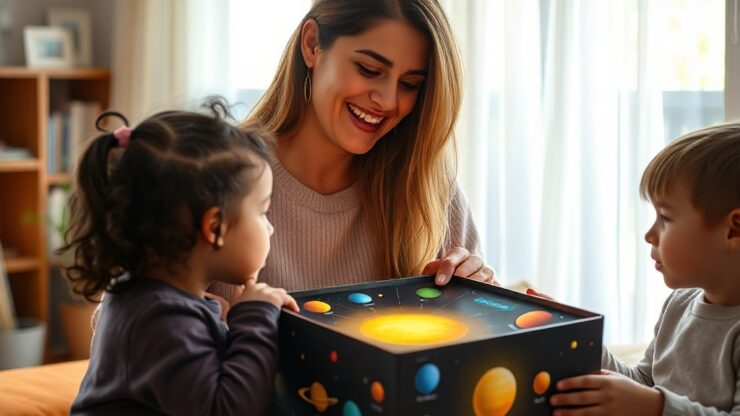
Though technology often dominates discussions about modern toys, there is also a significant emphasis on fostering family interactions and cooperative play in 2026. Tabletop games, puzzles, and role-playing adventures are designed to bring families together around the kitchen table, encouraging teamwork and bonding.
In our household, we’ve adopted a weekly tradition dedicated to family game night. These nights remind us of the joy of unplugging and connecting deeply with each other. Watching my children strategizing and solving problems together—or even friendly competing—during these evenings has fostered a camaraderie that suits both their playtime and real-world interactions.
Section 5: Balancing Tradition and Innovation
While innovation energizes the toy industry, traditional toys ensure a balance between the new and the old. Classic toys such as wooden trains, board games, and dolls that don’t beep or flash hold an enduring charm that newer interactive toys cannot replace. Handcrafted wooden blocks and simple jigsaw puzzles that Oliver haphazardly yet triumphantly assembles are still staples in our playroom.
This balance teaches our children to appreciate simplicity and recognize the timeless value of imagination. Such toys reassure us that despite the allure of digital, traditional forms of play will remain eternally relevant, forming the essential groundwork for childhood experiences.
Conclusion: An Exciting Journey Ahead
As I reflect on the emerging trends in toys and play, I am heartened by the meaningful impact they are likely to have on our children’s development and our role as parents. These trends not only create new experiences for our children but also empower us to instill values like empathy, sustainability, and cooperation.
The landscape of toys is no longer just about play—it’s about learning, growing, and sharing. As our family continues to explore this exciting journey, we are grateful for the opportunity to engage with these trends, fostering a world where every playtime moment contributes to a better, more understanding future.
From the Shopmader Community
Real voices. Real play. We value every parent’s honest journey.