
27 Education Trends Reshaping Learning in 2026
Introduction: A Glimpse into the Future of Learning
As a dedicated Montessori educator, I’ve always believed in honoring each child’s unique learning journey. In 2026, the landscape of education is undergoing a transformative shift—one that emphasizes holistic, personalized learning. With an ever-evolving approach, we are witnessing trends that are not merely temporary fads but are deeply ingrained shifts that will shape the future generations. Today, I want to share my heartfelt observations on 27 education trends that are reshaping learning in 2026.
1. Personalized Learning Experiences
Gone are the days of one-size-fits-all education. Schools now leverage technology to create tailored learning experiences for each child. Using adaptive learning software, every student’s progress is monitored, and educational content is customized according to their strengths and weaknesses. This approach not only fosters a love for learning but also ensures that no child is left behind.

2. Emphasis on Emotional Intelligence
In 2026, we understand that academic intelligence is just one part of the equation. Schools are now incorporating emotional intelligence training into their curricula, teaching children to manage their emotions, empathize with others, and develop healthy relationships. This focus helps create compassionate individuals who navigate social complexities with confidence.
3. Integration of AI Learning Assistants
Artificial intelligence has found a home in the classroom as personalized learning assistants. These AIs help answer students’ questions in real-time, provide additional resources based on their learning pace, and even help educators better understand student needs. While AI enhances learning, it also fosters a human-AI collaboration that enriches the educational experience.
4. Project-Based Learning (PBL)
Project-Based Learning has gained tremendous popularity, encouraging students to engage in hands-on projects that matter to them. This method encourages creativity, critical thinking, and problem-solving skills, allowing children to learn much deeper. These projects often address real-world issues, preparing students to become informed citizens who can think critically and act compassionately.
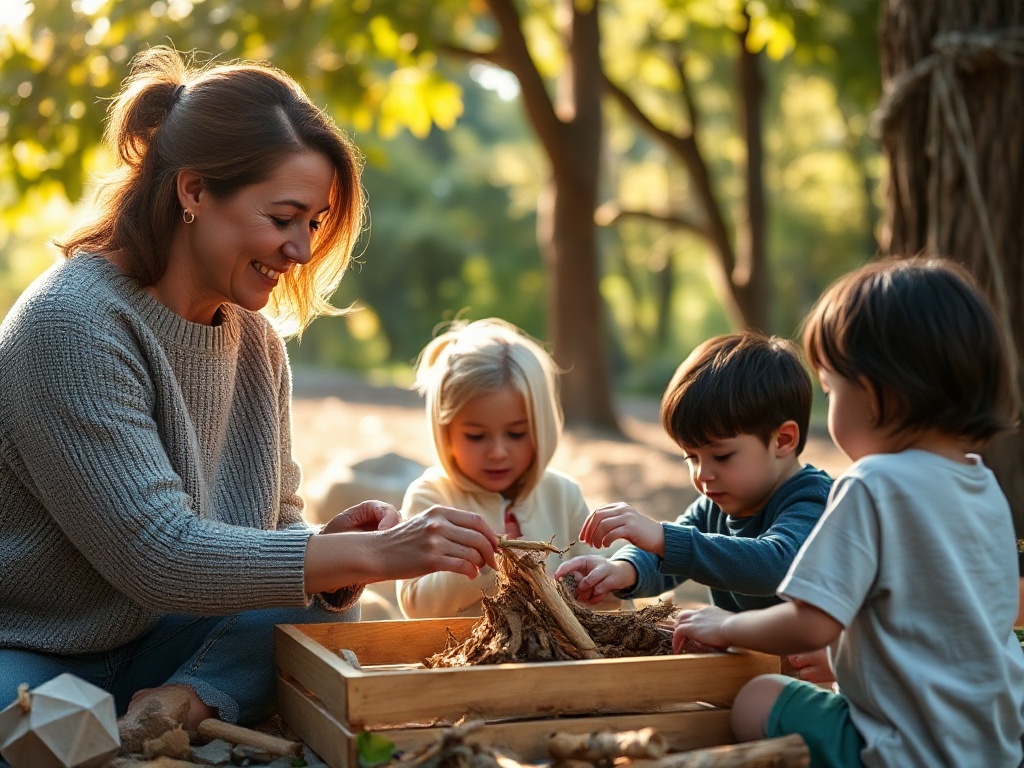
5. Nature-Based Education
Recognizing the profound benefits of nature on children’s well-being, many schools are incorporating outdoor classrooms and nature-based curricula. Children learn in green spaces, engaging with natural materials and participating in experiential learning activities that cultivate a sense of mindfulness and ecological awareness.
6. Global Learning Communities
The internet has enabled students to connect with peers around the globe, fostering collaborative learning experiences that transcend geographical boundaries. This trend promotes cultural awareness and collaborative problem-solving on a global scale, teaching children the importance of diversity and inclusion in their learning journey.
7. The Rise of STEAM
STEAM (Science, Technology, Engineering, Arts, and Mathematics) education is revolutionizing how we engage students with complex concepts. In 2026, schools are embracing STEAM programs that incorporate artistry into technical subjects, allowing children to see the beauty in science and the logic in art.
8. Holistic Assessment Methods
The traditional grading system has evolved into more holistic assessment methods that focus on a child’s overall development rather than just test scores. This trend provides a more comprehensive view of a student’s abilities, incorporating portfolios, self-assessments, and peer reviews.
9. Mindfulness Practices
Mindfulness practices are being integrated into the school day, allowing children to cultivate focus and self-regulation skills. Techniques such as meditation, breathing exercises, and reflection time help nurture a calm and centered learning environment.
10. Inclusivity and Accessibility
Education in 2026 is more inclusive and accessible than ever. Schools are adapting learning environments to cater to the diverse needs of all students, ensuring that everyone has equal opportunities to thrive. Assistive technologies and differentiated instruction methods play crucial roles in this transformation.
11. Blended Learning Environments
The combination of online and in-person learning creates dynamic blended environments that offer flexibility and augment traditional teaching methods. Students can learn at their own pace while benefiting from face-to-face interactions with peers and educators.
12. Increased Family Engagement
Schools are actively engaging families in the educational process, fostering a collaborative approach to learning. Workshops and parent outreach programs create supportive communities that work hand-in-hand to nurture student success, recognizing that education is a partnership.
Conclusion: Embracing the Future of Education
As we look ahead, these trends in education for 2026 represent a commitment to continual growth and innovation in learning. For Montessori educators like myself, it’s encouraging to see how these movements align with the principles of respect for children’s natural development and curiosity. The future of education is bright, and together, we can help shape a world where every child thrives.
From the Shopmader Community
Real voices. Real play. We value every parent’s honest journey.