The Best Developmental Toys for Babies: A Heartfelt Journey
As a Montessori educator and a mother, I’ve experienced the full spectrum of babyhood and toddler development. From those curious first smiles to the moment they grasp a toy for the first time, it’s a journey filled with wonder. Toys play a significant role in aiding their development, fostering both cognitive growth and motor skills. Here are my top picks for developmental toys that resonate with my philosophy, ensuring enriching playtime experiences for little ones.
Understanding Developmental Stages
Before diving into specific toys, it’s essential to understand the developmental stages of infants. Babies have distinct needs as they grow. From birth to 3 months, they explore with their senses—sight, sound, and touch. By 3-6 months, they begin to recognize objects and develop their grasping skills. As they approach 6-12 months, problem-solving becomes key, and they learn to interact with their surroundings. Selecting toys that align with these stages can greatly aid their development.
1. Sensory Toys: Awakening the Senses
During the early months, sensory toys are vital for stimulating an infant’s senses. Toys that are textured, colorful, and can make sounds encourage exploration and curiosity. For example, a sensory blanket filled with different fabrics and colors can capture their attention. It allows babies to explore various touch sensations while also serving as a cozy place for tummy time.


2. Grasping Toys: Perfecting Their Pincer Grip
Once babies can hold toys, introducing grasping toys becomes crucial. These toys help them refine their motor skills and hand-eye coordination. One of my favorites is the classic wooden teether with different shapes and colors. It’s safe for little ones to gnaw on and encourages them to practice grasping and manipulating objects, fostering the development of their pincer grip.
3. Stacking and Nesting Toys: Problem-Solving Fun
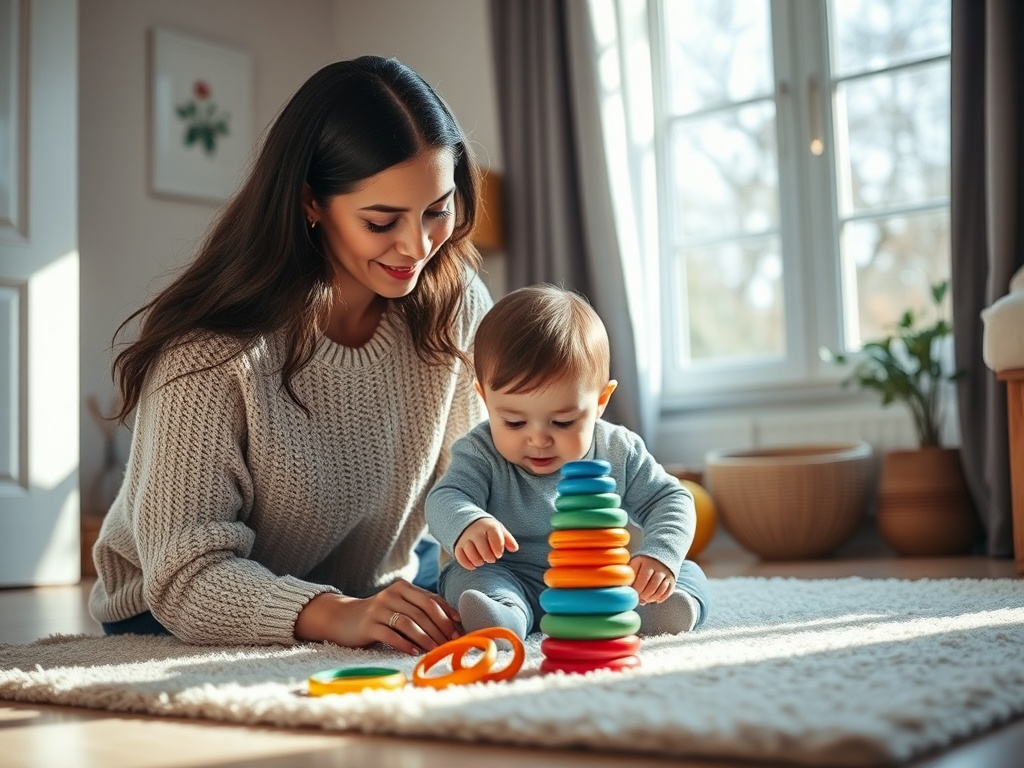
As they progress to 6-12 months, babies begin to enjoy activities that involve stacking and nesting. These toys challenge them to understand balance, stability, and spatial awareness. Stacking rings or nesting cups are fantastic choices. They come in various sizes and colors, encouraging babies to explore different ways they can stack and nest them. This exploration plays a critical role in cognitive development.

4. Musical and Sound Toys: The Rhythm of Growth
Music and sound play a vital role in development, too. Instruments like soft maracas, xylophones, and musical toys not only entertain but also stimulate auditory development. As babies shake, hit, or tap these toys, they learn cause and effect, boosting their cognitive skills. Plus, watching them giggle at the sounds they produce brings a smile to any parent’s face.
5. Nature-Inspired Toys: Connecting with the World
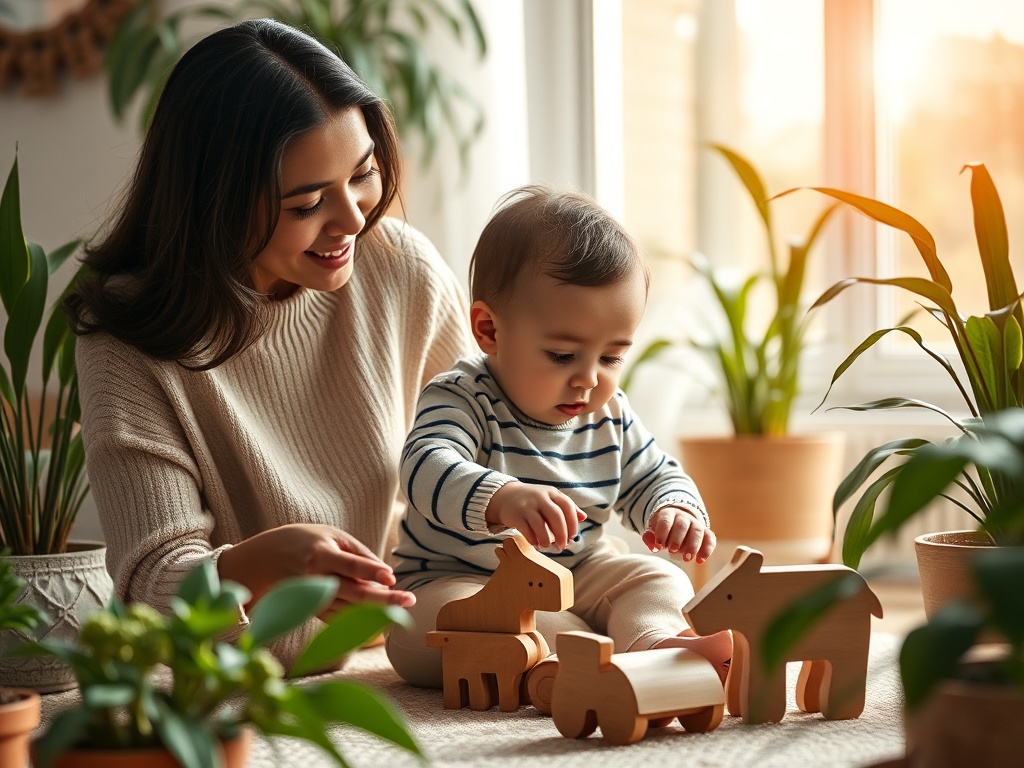
As a Montessori educator, I emphasize the importance of connection with nature. Nature-inspired toys, such as wooden animals, leaf shapes, or even plush toys made from organic materials, help babies learn about the world around them. These toys often come in muted colors, promoting a peaceful environment while encouraging imaginative play. They can be used in various play scenarios, like mimicking animal sounds or creating stories about nature.

Final Thoughts on Choosing Developmental Toys
In conclusion, the right toys can significantly enhance a baby’s developmental journey. Each stage of growth offers unique opportunities for parents to engage with their children and nurture their natural curiosity. It’s not merely about superficial play but about understanding the developmental needs behind that play. As a mother and an educator, I always recommend opting for safe, developmentally appropriate toys that promote learning through exploration. Remember, the best gift we can give our littles is not just a toy but the shared experience of discovery and growth.
From the Shopmader Community
Real voices. Real play. We value every parent’s honest journey.