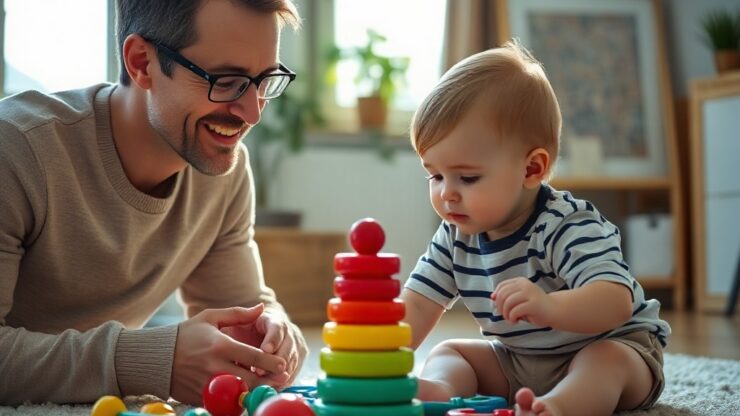
The Joy of Discovery: Best Toys for 3-Year-Olds
Introduction: As a Montessori educator and mom of two, I have always been fascinated by the natural curiosity and inventive play of children. Choosing the right toys for a three-year-old can unlock endless potential for learning and creativity. Below, I share my heartfelt perspectives and experiences with some of the best toys that have captivated and inspired my little ones.
The Importance of Choosing the Right Toy
At the age of three, children are rapidly growing both intellectually and emotionally. The toys they interact with can profoundly influence their development. During this formative stage, toys should cater not just to fun and enjoyment, but also foster creativity, problem-solving, and motor skills. Montessori philosophy emphasizes the importance of self-directed activity and hands-on learning that stimulates all senses.

Open-ended Toys: Fueling Creativity
One of my fondest memories is watching my daughter, Bella, construct her own mini-world using simple wooden blocks. Open-ended toys like these allow children to express creativity without limits. Unlike toys with a single purpose, open-ended toys invite children to imagine new possibilities every time they play. Bella’s blocks became the foundations for castles, bridges, and even imaginary cities bustling with life. They were a tool for storytelling and imagination, offering her a canvas on which she could create.
Puzzles: Building Patience and Problem-solving Skills
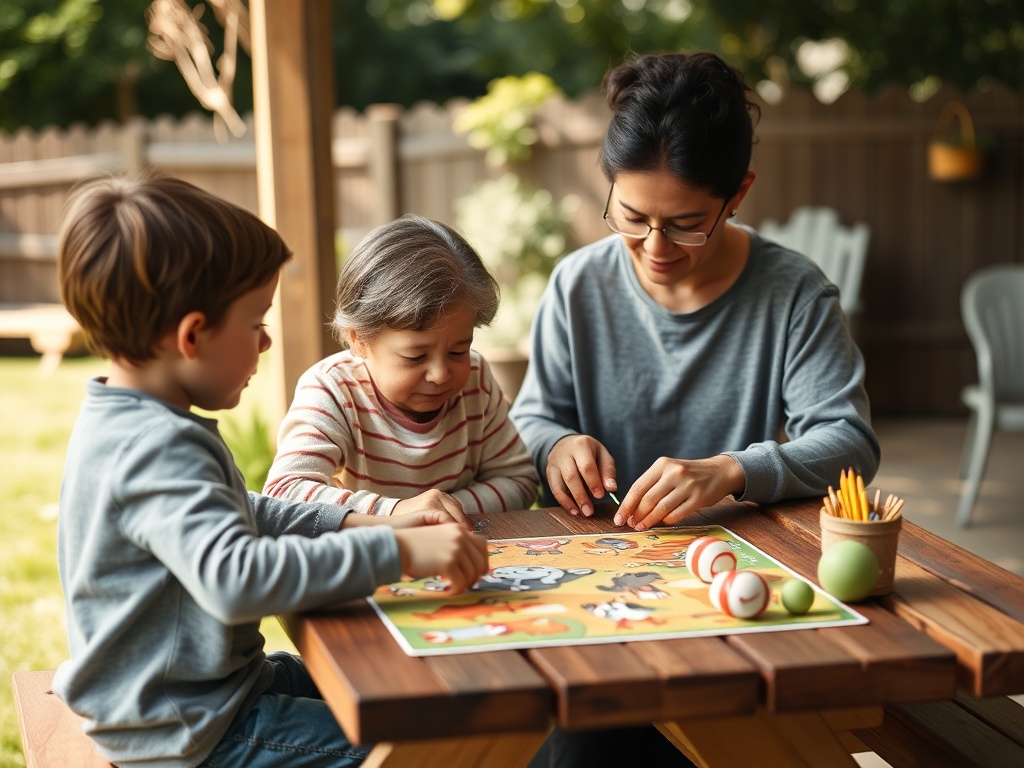
Another enduring favorite in our household is puzzles. I recall countless afternoons spent alongside Jack, my older son, as he assembled puzzles piece by piece. Puzzles are not just a delightful challenge; they instill patience and enhance problem-solving skills. With each piece, Jack learned the value of perseverance and strategy, celebrating when the final piece clicked into place. For three-year-olds, puzzles with large, colorful pieces depicting characters or animals they’re familiar with work wonders in holding their attention and interest.
Role-playing Toys: Nurturing Social Skills
Role-playing toys, such as kitchen sets and miniature dolls, have deeply influenced Bella’s social skill development. Watching her engage in pretend play, I witnessed how she learnt empathy, cooperation, and communication. These toys often lead to scenarios where cooperative play and sharing are required, subtly teaching children the basics of social interaction. On many occasions, Bella would imitate my actions in the kitchen using her toy set, or create entire family gatherings with her dolls, mimicking real-life social scenarios and delighting in her creations.
Art Supplies: Encouraging Expression and Creativity
Encouraging creativity through art has always been a staple in our family activities. Whether it’s a box of crayons, finger paints, or simple drawing pencils, art supplies have become an avenue for self-expression for my children. Besides fostering creativity, engaging in art helps three-year-olds refine their fine motor skills and hand-eye coordination. I remember Bella proudly showcasing her colorful creations, each one a splash of her personality and imaginative spirit.

Conclusion: Creating a Well-rounded Play Experience
In selecting toys for your three-year-old, aim for variety—choose toys that cover multiple aspects of development: cognitive, creative, physical, and social. By providing such a diverse range of play experiences, you support a harmonious growth that reflects the Montessori principle of nurturing a child’s independence while engaging multiple facets of learning. Watching my children flourish through right play gives me immense satisfaction, knowing I have provided them the tools that promote joy and endless discovery.
Final Thoughts: Every child grows at their own pace. Hence, understanding their unique needs and interests can guide your choice in toys. Find those that set their imaginations soaring, challenge them just enough, and bring smiles to their faces. Above all, treasure the precious moments you spend with them—it’s through play, after all, that both parent and child discover the most.
The heartfelt story above outlines the importance of selecting educational toys for three-year-olds, drawing from experiences as a Montessori educator and a parent. It highlights a balanced choice of toys that stimulate creativity, problem-solving, social interaction, and expression. Each section details how different types of toys contribute to child development, enriched with personal anecdotes and detailed illustrations of playtime scenes.From the Shopmader Community
Real voices. Real play. We value every parent’s honest journey.