Building Futures: The Heartfelt Journey with Educational Building Blocks
As a Montessori educator, I’ve always believed in the power of hands-on learning. Children thrive when they can grasp concepts through tactile experiences, and educational building blocks have become one of my most cherished tools in the classroom. These colorful, versatile tools not only unleash creativity but also foster critical thinking and problem-solving skills. This story unfolds my journey with these blocks and the transformations I have witnessed in my students.
The First Encounter: Discovery and Curiosity
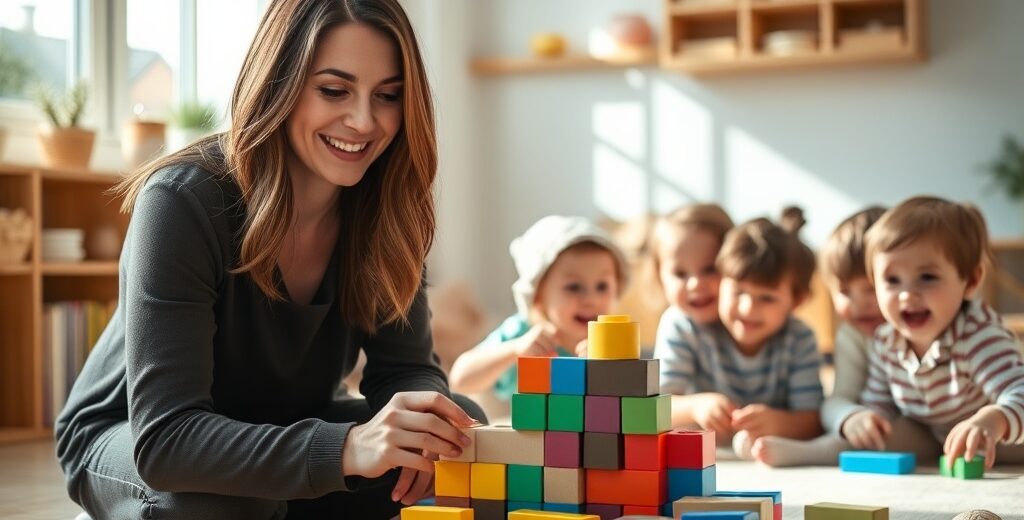
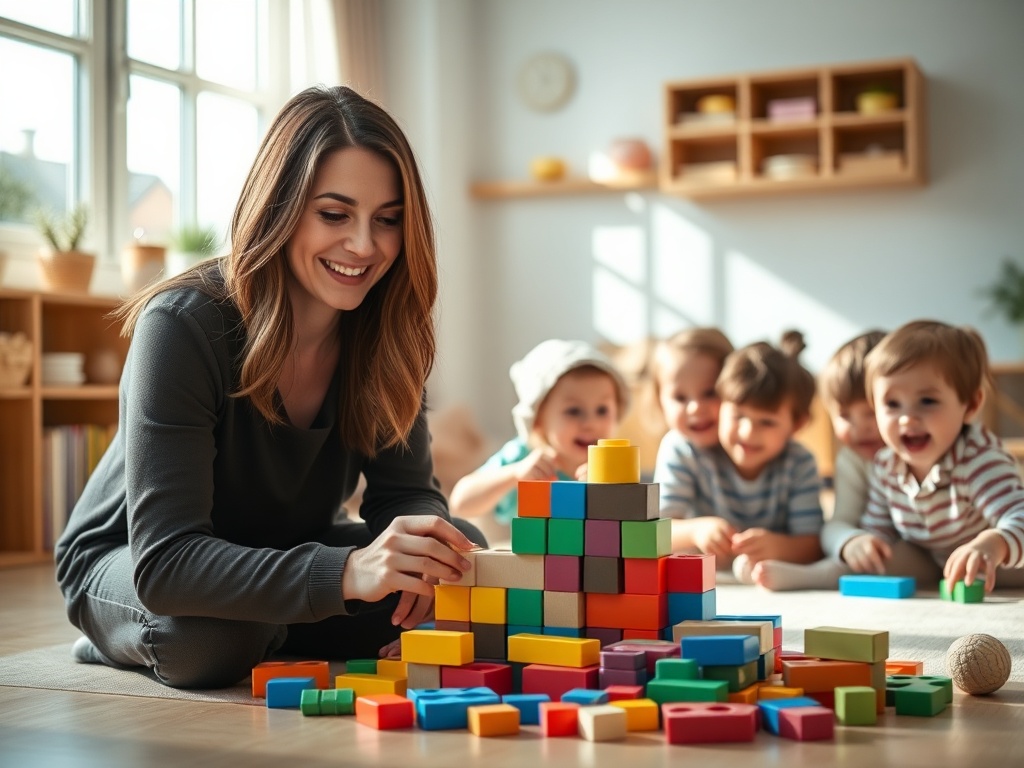
The first time I introduced building blocks into my classroom was a magical moment. I will never forget the sheer delight on the faces of my students as they first laid eyes on the vibrant colors and various shapes. It was as if a universe of possibilities had opened up before them.
The initial encounter sparked curiosity; children eagerly reached out to explore these tangible objects. They began stacking, sorting, and arranging the blocks in intricate designs. One little girl, Mia, surprised me with her engineering skills at only four years old. She spent the entire morning building an elaborate castle and declared herself the queen of her creation. Her classmates gathered around in awe, adding their blocks to the structure. This moment marked the beginning of countless stories built from imagination and teamwork.
Learning Through Play: The Magic of Imagination
Educational building blocks are not just about construction; they spark the imagination in ways I couldn’t have imagined. As the children manipulated the blocks, the lessons flourished organically. One block structure would transform into a spaceship, while another morphed into a zoo. In their play, they developed storytelling skills, weaving narratives that brought their creations to life.
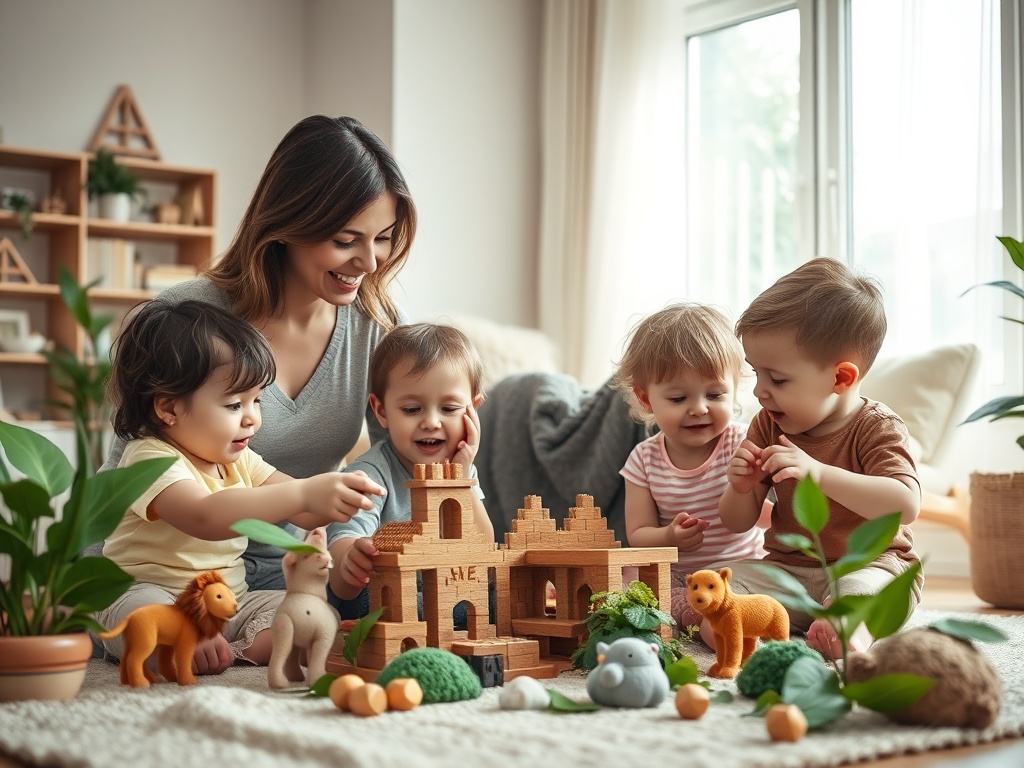
I distinctly remember one afternoon when a group of children decided they were going on a safari. They fashioned a jungle out of the blocks, using green cloth to represent leaves and plush animals to populate their imaginary world. They worked collaboratively, negotiating who would be the tour guide and who would be tasked with building the entrance to the safari. Their ability to communicate, share ideas, and compromise was astounding and heartwarming.
Developing Skills: The Foundations of Learning
Through building, the children aren’t just having fun; they are unknowingly developing vital skills. As they engage with different shapes and weights, they begin to understand concepts like balance, symmetry, and spatial awareness. Each construction and deconstruction process is a learning opportunity.
Take Samuel, for instance. Initially, he struggled with fine motor skills, making it challenging for him to draw or write. However, when he started working with the blocks, I saw immense progress. The act of grasping, maneuvering, and aligning the blocks significantly improved his dexterity. Over time, building became less about the final product and more about the journey of mastery, giving him the confidence to tackle new challenges head-on.
Social Skills: The Power of Collaboration
One of the most profound lessons I’ve observed through the use of educational building blocks is the emergence of social skills. Children naturally gravitate towards one another when they have a common goal, and building blocks create that bridge of connection.
Consider Sarah, a quiet child who often preferred playing alone. When she first joined the group building project, I noticed her hesitation. Yet, the infectious enthusiasm of her peers drew her in. As they began working together, Sarah found her voice. She contributed ideas and encouraged others, becoming an integral part of the team. Watching her blossom into a confident communicator was one of the most rewarding experiences of my teaching career.
Parent Involvement: Together We Build
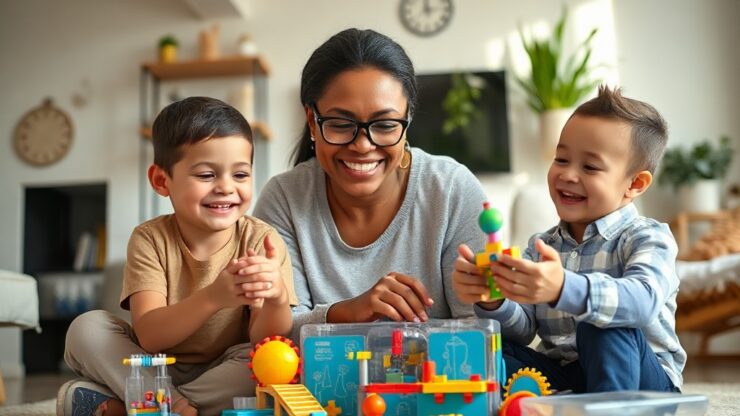
It warms my heart to see how educational building blocks have also extended beyond the classroom and into the homes of my students. Encouraging parental involvement was essential. I organized a workshop for parents, showcasing how they could play with their children using the blocks, reinforcing the lessons learned at school.
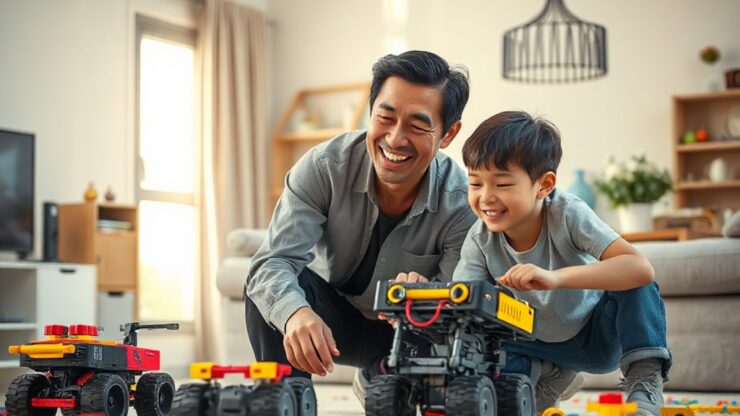
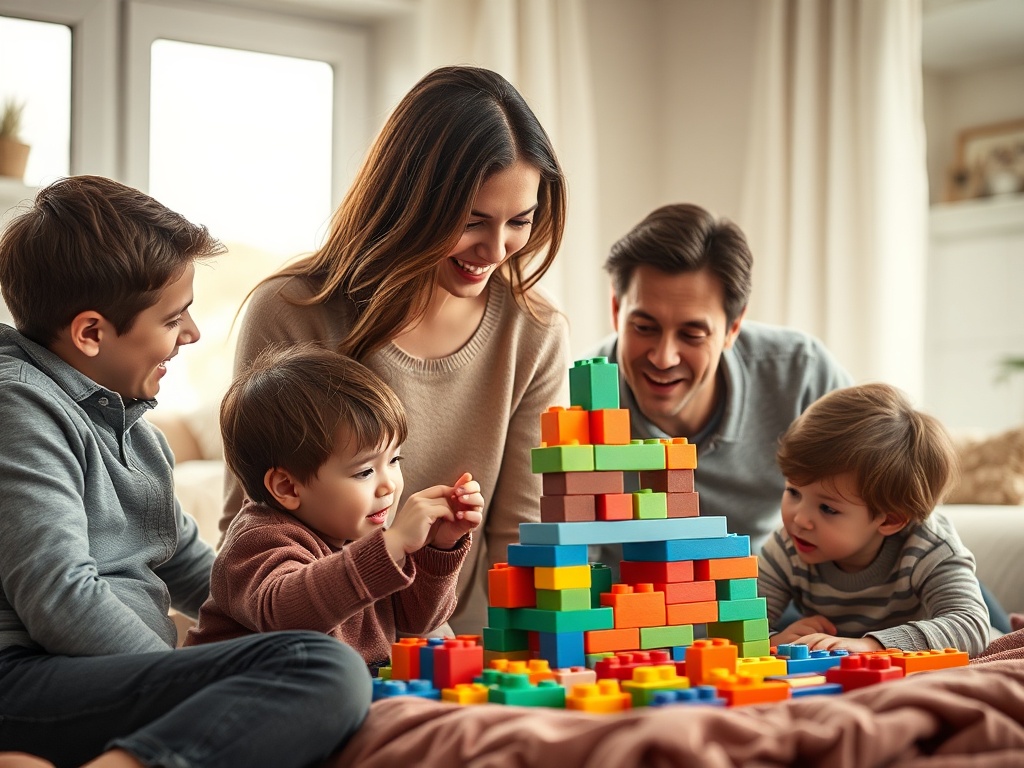
The result was overwhelmingly positive. Families began creating block-building nights, where they would gather as a family to construct robots, castles, and vehicles. This not only strengthened family bonds but also instilled a love for learning in their children. Parents reported that their kids were more willing to try new things and were increasingly curious about the world around them.
Reflecting on Growth: Building a Brighter Future
Looking back over the past year, I am filled with immense gratitude for the experiences I have shared with my students through building blocks. These simple tools have allowed children to explore, create, and learn in ways that are engaging and meaningful. I have seen shy children bloom into leaders and struggling learners gain confidence in their abilities.
As an educator, my heart swells with pride, knowing I played a part in creating an environment where children can build the foundations of their learning and life skills. The journey of educational building blocks is an ongoing adventure, one that continuously unfolds. With each child’s creativity and curiosity at the helm, I remain excited about the future we are building together.
From the Shopmader Community
Real voices. Real play. We value every parent’s honest journey.