Learning Toys and STEM Toys We Love: A Montessori Educator’s Perspective
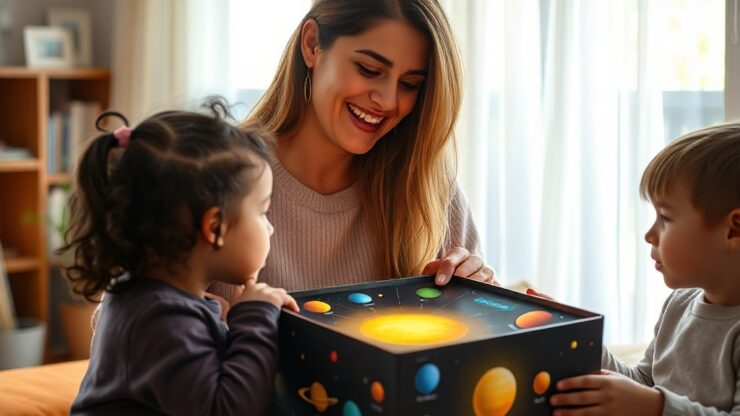
As a Montessori educator with a passion for nurturing young minds, I’ve always been fascinated by the profound impact learning toys can have in a child’s developmental journey. Seeing a child’s eyes light up when they understand a new concept is a moment of pure magic. This story is about the journey through some of my favorite learning and STEM toys that I have come to love and recommend wholeheartedly. Here’s why they hold a special place in my heart.
The Building Blocks of Creativity
Building blocks are the quintessential educational toys that have stood the test of time. From ancient civilizations crafting basic forms to the complex, colorful blocks we have today, they have always played a vital role in developing a child’s physical, cognitive, and social skills.
One of my favorite moments was with a 4-year-old named Lily. She’d come into the Montessori classroom, her eyes scanning the room for something familiar. As she gravitated towards a set of colorful, magnetic building blocks, I could see her curiosity piqued. Those blocks became the gateway to her learning adventure, where she explored patterns, shapes, and the fundamentals of physics like balance and stability.

STEM Toys: Lighting the Path to Innovation
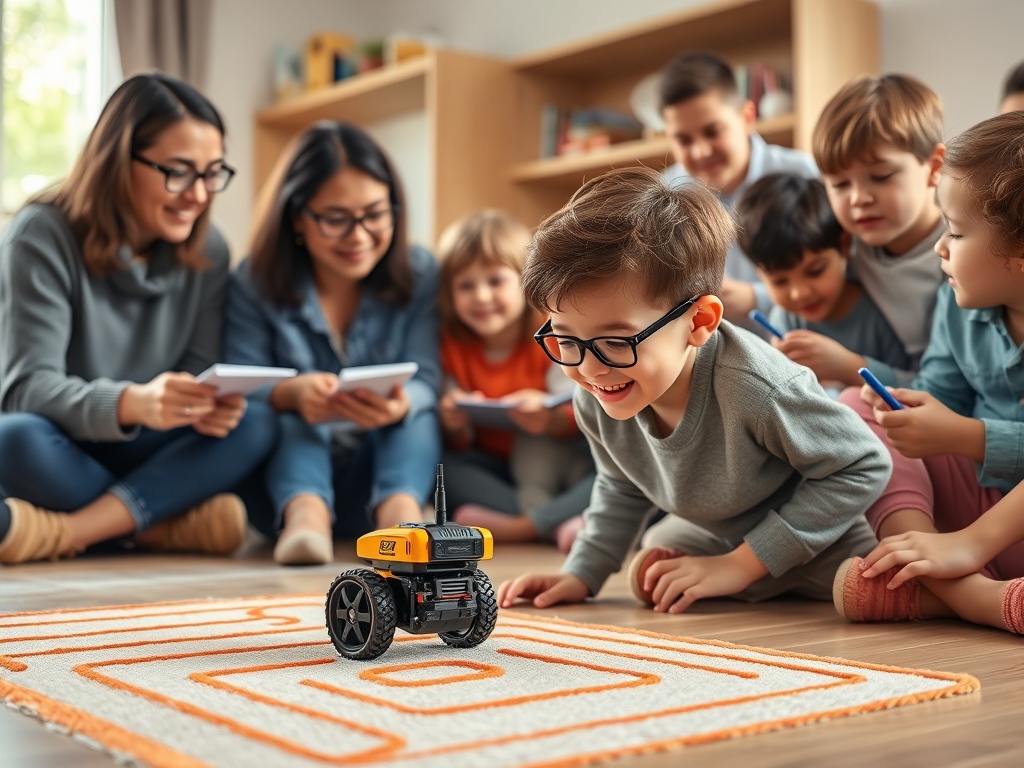
STEM toys foster an environment where children engage in exploration and experimentation, critical for developing problem-solving skills and creative thinking. One particular toy that has captured my heart is the coding robot, which allows children as young as 5 to learn the basics of programming through simple inputs.
I recall a young boy named Aiden, who was initially shy and seemed disengaged. Introducing him to a coding robot was a turning point; it was as if a light bulb had turned on. Aiden learned to code the robot to navigate a maze, cheering each time it made it past an obstacle. His newfound confidence and enthusiasm for troubleshooting were palpable, and it reinforced my belief in the power of STEM education.
Learning Through Play: The Montessori Approach
The Montessori philosophy emphasizes learning through play and sensory experiences. Toys that encourage this type of learning are invaluable. One notable example is the sensory bin, filled with natural items like sand, water, and stones, which allows children to explore different textures, weights, and movements.
Olivia, a 3-year-old in my class, loved her time at the sensory bin. With her tiny fingers, she explored the nature treasures meticulously, transferring them between containers, pouring, sifting, and sorting. These activities were not only fun for her, but cultivated her fine motor skills, language, and had her asking countless “why” and “how” questions. The sensory bin opened her world to tactile exploration and observation.

Puzzles: Piecing Together Problem Solving Skills
Puzzles are another timeless tool for learning, nurturing critical thinking and cognitive development. They teach patience, persistence, and the joy of discovery. My classroom never feels complete without a wide array of puzzles, be it jigsaws, tangrams, or 3D brainteasers.
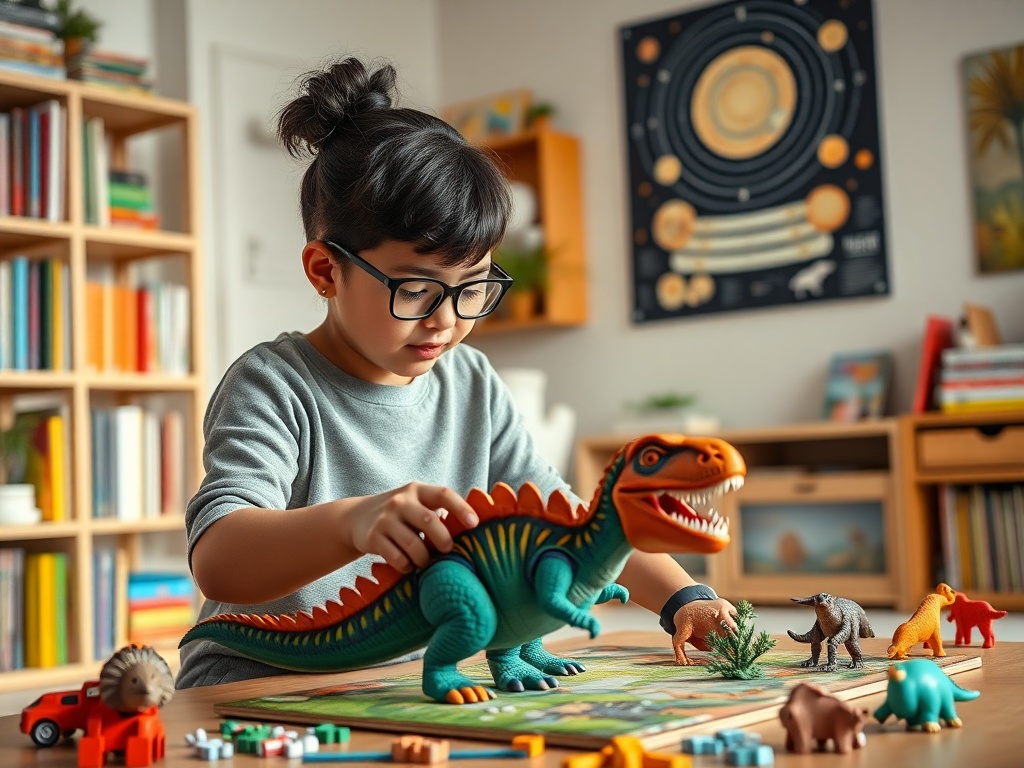
There’s an unforgettable story of Daniel, who had a fascination with dinosaurs. With a puzzle depicting a prehistoric scene, Daniel spent hours piecing together the dinosaur world. The activity didn’t just satisfy his love of dinosaurs, it improved his hand-eye coordination, spatial awareness, and heued to develop his language skills as he described the different species to his peers.
Arts and Crafts: Cultivating Self-Expression
Creativity is a critical component of learning, and arts and crafts facilitate such self-expression and imaginative play. Whether it’s modeling clay, paints, or collage materials, these tools inspire young minds to create and tell stories through their artwork.
In one memorable art session, Mia crafted an underwater scene that seemed to speak about a world only she could envision. The vibrant blues and greens she used were mesmerizing. What was most enlightening was her ability to convey her thoughts through art, something she struggled to do verbally. Arts and crafts gave Mia the confidence to share her perspective, which fostered her communication skills and self-esteem.
The Lasting Impact of Learning and STEM Toys
In my years as a Montessori educator, I have cherished observing how learning toys can influence children’s development. These toys aren’t just tools for play; they are bridges to cognitive growth, emotional development, and social interaction.
I am constantly amazed by the endless possibilities that today’s learning and STEM toys offer. They prepare children for future challenges by equipping them with essential skills. From problem-solving and critical thinking to creativity and teamwork, these toys lay down the foundation for lifelong learning.
As we continue to innovate in educational toys, I look forward to witnessing the next wave of tools that will inspire, educate, and nurture our children. It is through such innovation that we can hope to cultivate a generation of thinkers, creators, and leaders who will make profound contributions to our world.
In closing, the right toys can indeed change the trajectory of a child’s life. Let us choose those that spark curiosity, ignite passion, and fan the flames of exploration. Because in doing so, we’re not just nurturing individuals; we’re crafting the future.
From the Shopmader Community
Real voices. Real play. We value every parent’s honest journey.