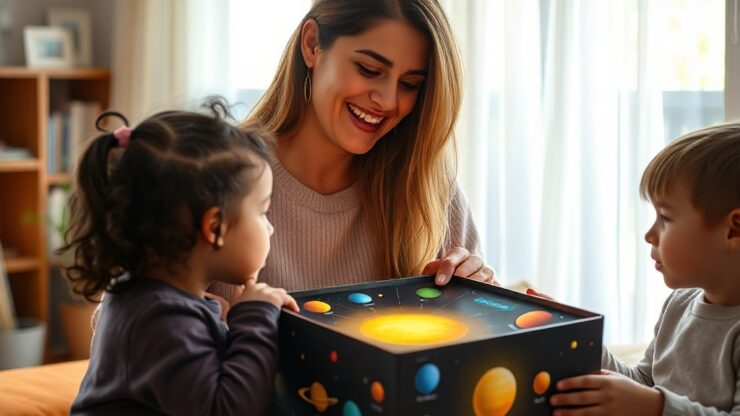
A Montessori Journey: Choosing Learning Toys For Kids
By Elena, a dedicated Montessori educator with a deep passion for fostering environments where children thrive, I bring insights into the world of learning toys. These insights are born from years of experience in introducing these pivotal tools to a new generation, ensuring every child enjoys the freedom to explore and grow.
The Montessori Philosophy: Education Starts at Home
The Montessori philosophy, embracing the innate curiosity of children, transformed my life both professionally and personally. I first encountered Montessori when my oldest, Jonah, was just three. As he toddled through life’s wondrous beginnings, I was reminded that delight, curiosity, and learning are not confined to schools or institutions—they begin at home.
It’s precisely this sentiment that fuels my fervor for learning toys. Toys are not mere distractions—they are intricate parts of a child’s development. They spark creativity, refine motor skills, and cultivate an early love for exploration and learning. In the Montessori realm, toys are tools for independence. They guide and allow children to discover solutions through experimentation and inquiry, leading them toward lifelong learning.
Unlocking Potential: What Makes a Toy Educational?
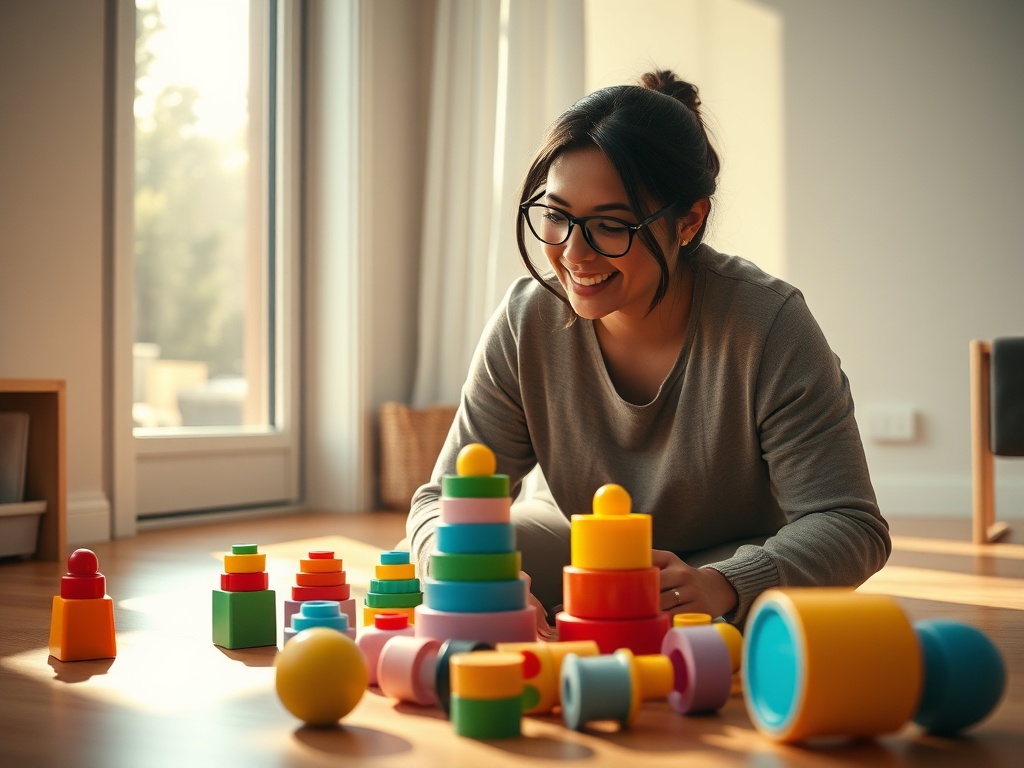
The first question many parents ask is, “What makes a toy educational?” It’s not about flashing lights or complex designs—it’s about simplicity and function. The toys that allow engagement without dictating the child’s actions are key. Consider the humble blocks, a timeless toy loved through generations for its versatility and openness.
Each day, as my children pile blocks into towers, I watch them translate their imagination into reality. This unstructured play fosters not only creativity but skills such as spatial reasoning and mathematical understanding. When choosing learning toys for your child, look for items that encourage this kind of free exploration and interaction.
A favorite in our home is the shape sorter. With each guided attempt, I see my littlest one, Lily, making connections between the objects she holds and the spaces they fit into. Her delight as a cylinder finally finds its home warms my heart every time.

Sensory Surprises: Hands-on Learning
Children are sensory explorers; they understand the world through touch, taste, sound, and sight. Toys that engage these senses are invaluable, particularly in the Montessori approach, which emphasizes learning through experience. Sensory bins are one way I introduce these concepts to my students and my children. These bins can be filled with rice, beans, or tactile objects allowing children to feel, move, and interact.
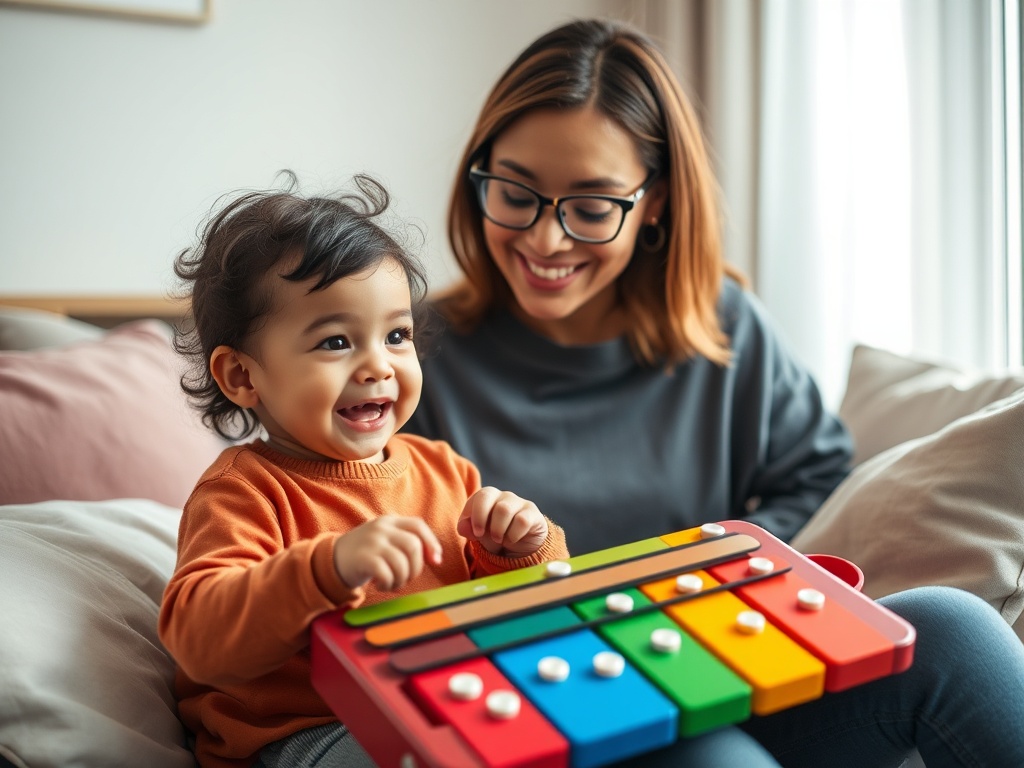
Moreover, musical toys offer another realm of sensory exploration—classic instruments like xylophones and percussion sets are fantastic. Music is the language of familiarity and discovery, promoting listening skills and emotional expression. In our living room, the soft jingles and clangs of Lily’s xylophone fill the air as she creates songs from her heart. It’s a symphonic blessing we all cherish.
Toys That Grow With Your Child: Long-term Investment
One principle of Montessori is to invest in toys with growth potential, those that invite the child’s increasing capabilities over years. Many parents are surprised at how long children engage with these toys, evolving their play as they grow. Well-designed puzzles featuring a variety of difficulty levels are perfect examples.
Beginning with basic shapes to more intricate landscapes, puzzles teach persistence, patience, and problem-solving. I remember Jonah, at six, engrossed in a world map puzzle, building continents and weaving new stories of adventures, fostering an appreciation for geography and culture. This kind of toy is dear to parents because it provides endless opportunity and longevity.
Art supplies are another category worth investing in—crayons, watercolor sets, and sketchpads inspire creative expression and refinement of fine motor skills. As Lily sketches her animals of imagination, I see her deft artistry getting more precise by the day.
Creating a Balanced Play Environment
The Montessori method is holistic, integrating play, education, and everyday life seamlessly. To create a balanced play environment at home, blend various toy types—from sensory bins and blocks to musical instruments and art supplies. Balance is crucial; it ensures children experience multifaceted growth.
Yet, balance also means not overwhelming with too many toys at once. Rotate toys every few weeks to keep interest fresh and engagement active. This not only aligns with Montessori principles but also reduces clutter, keeping spaces inviting and calm.
Each new rotation unveils rediscovered joys as children find old familiar objects like new again, a memory brought to life with an unfolding narrative in their imaginative play. It’s this consistent growth and adaptation that truly echoes the Montessori spirit.
As I watch my children flourish surrounded by thoughtful selections, I’m reminded daily of the profound impact that careful choices in learning toys can have. In this sacred space, where knowledge blooms under gentle guidance, I see Montessori principles come alive—a vibrant dance of growth and wonder.
Conclusion: The Chief Architects of Tomorrow
In closing, learning toys form the foundational blocks upon which character, creativity, and competence are built. As parents and educators, recognizing and implementing play as an essential learning tool is critical. Through thoughtful selection, we propel our children into futures where they stand as capable, empathetic architects of tomorrow’s landscape.
Gifted with a heartfelt passion in these learning tools, I invite each parent to embrace the profound journey of nurturing discovery. It’s more than play; it’s the groundwork for lives filled with promise.
From my family to yours, may your selection of toys inspire a trail of joy and learning.
From the Shopmader Community
Real voices. Real play. We value every parent’s honest journey.