
The Heartfelt Impact of Logic Training Toys: A Montessori Educator’s Perspective
By Elena, Montessori Educator
The First Step: Understanding Logic in Early Childhood
In my years as a Montessori educator, I’ve had the privilege to witness countless moments of child-led discovery. Among these moments, the role of logic training toys stands out as an essential catalyst for cognitive development. These toys, seemingly simple in design, harbor the profound capability to nurture a child’s reasoning and problem-solving abilities, laying a robust foundation for lifelong learning.
Discovering the World Through Play
Logic training toys come in many forms, from classic building blocks to intricate puzzles and advanced logic games. What they all share is the ability to transform playtime into a profound educational experience. These toys encourage children to explore, experiment, and ultimately understand the cause-and-effect relationships that govern the world around them.
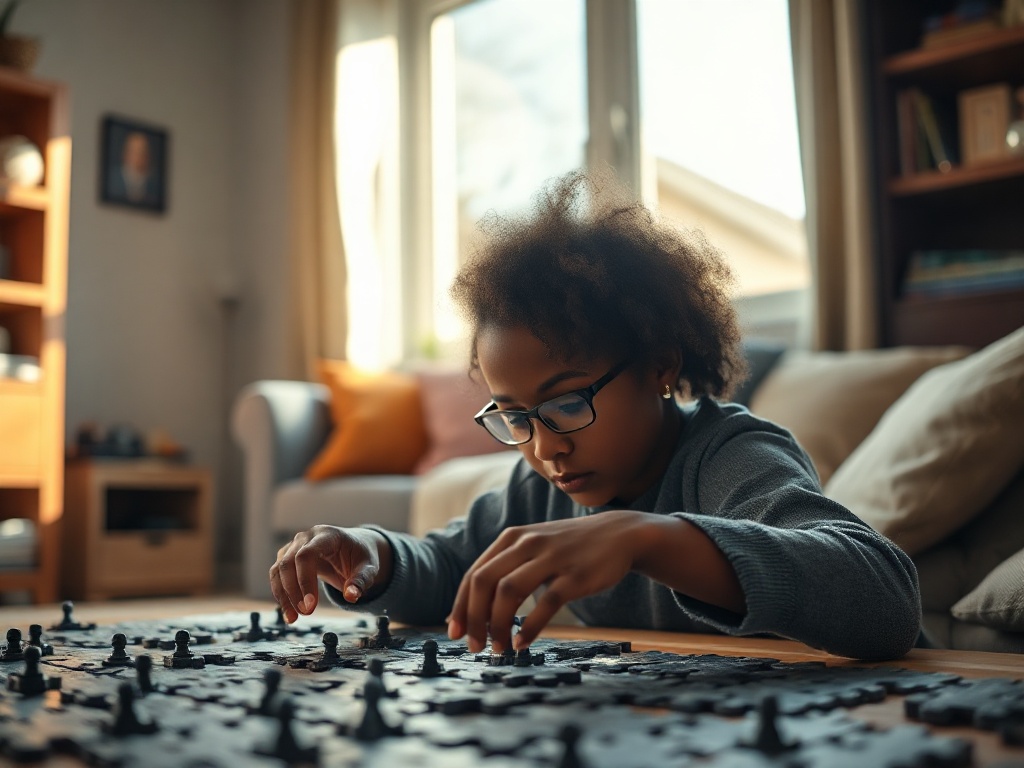
Each puzzle solved or pattern created becomes a building block in developing a child’s logical thinking skills. It’s a joy to watch as children light up with understanding, tiny sparks of knowledge illuminating their path to maturity.

Parents as Partners in Learning
The impact of logic training toys isn’t confined to the classroom. At home, parents can play a pivotal role in guiding their children’s interaction with these toys. It’s a partnership that fosters an enriching learning environment, both nurturing and dynamic. Parents often begin to see the changes in their child’s ability to solve problems independently, a testament to their blossoming confidence and competence.
One story that remains close to my heart involves a little boy, Alex, and his father. They dedicated weekends to exploring a new logic puzzle; week by week, challenge by challenge, Alex’s skills flourished. His father observed his growing aptitude, not just in puzzle-solving but in day-to-day problems, like figuring out how to tie his shoes or organizing his play areas efficiently.
Nurturing Future Innovators
Incorporating logic toys into childhood routines does more than just bolster logical reasoning; it sows the seeds of innovation. As children become adept at these games, they start applying logical principles creatively, inventing new rules and scenarios. This creative application of logic fosters innovation—skills they’ll carry into future academic and professional endeavors.
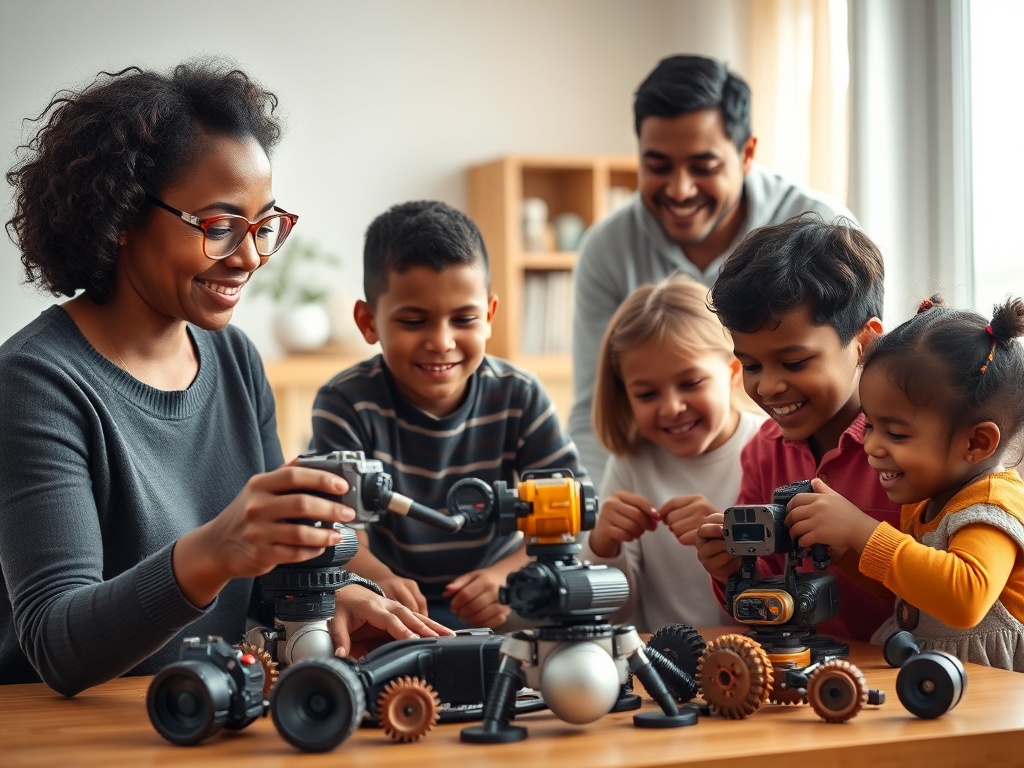
Imagine a group of children gathered around a heap of logic toys, their hands busily constructing and deconstructing models. In that scene lies the essence of innovation—a dance between destruction and creation, each movement pushing boundaries and fostering new insights.
Seeing the Future through Their Eyes
As educators and parents, we share the profound responsibility of shaping the minds of tomorrow. By introducing logic training toys, we provide children with the toolkit to navigate the complexities of our modern world. In doing so, we empower them to see beyond immediate challenges to envision and construct a future defined by possibility and innovation.
Every child deserves the chance to unlock their full potential. Through something as simple as logic training toys, we’re helping to craft a society where curiosity and creativity reign, where every problem becomes an opportunity for new understanding and breakthroughs.
A Montessori Promise: Lifelong Learning with Logic
As a Montessori educator, my commitment to fostering environments conducive to learning and growth is unwavering. Logic training toys are not merely tools but promises of boundless potential. In every interlocking piece, there’s a lesson waiting to be uncovered, an insight poised to be gleaned.
Let us, together, embark on this journey with our children. Encourage exploration, support their learning, and stand by as they forge paths of discovery. Through these formative experiences, we not only enrich their education but breathe life into their hopes and dreams for the future.
From the Shopmader Community
Real voices. Real play. We value every parent’s honest journey.