
Discovering the Body: A Montessori Journey with Magnetic Human Body Anatomy Puzzle
Introduction: A New Tool in My Montessori Arsenal
I still remember the day I first came across the Magnetic Human Body Anatomy Puzzle. It was a bright Monday morning, and the shipment of new educational materials had just arrived at our Montessori school. As a seasoned educator, I’ve always believed in the power of hands-on learning, especially when it comes to something as intricate as human anatomy. This puzzle was a promising addition to our arsenal, a tangible set of magnetic pieces that promised to unravel the mysteries of the body for eager young minds.
I am Elena, and I have dedicated the last fifteen years to embracing the Montessori method, which honors a child’s natural path of learning. The introduction of this puzzle was like uncovering a new magic spell that could enchant our learning environment.
The First Encounter: Children Meet Their “Mini-Mes”
The unboxing was an event in itself; each child’s face lit with anticipation. As I laid out the magnetic board displaying the outline of a human figure, and a separate pile of vibrant, detailed organ magnets, the room buzzed with infectious excitement. The children gathered around me, their eyes widening as I explained each piece.
“This is your heart,” I began, holding up a dark red magnet, “and this, this is where it belongs.” With each piece I placed, the children echoed back the names like they were incantations: “Heart,” “Lungs,” “Liver.” It was as if the puzzle breathed life into their curiosity.

Deepening Interest: A Journey through the Layers
Children are inherently curious, and this puzzle fed their hunger for knowledge. Every day seemed like an unfolding adventure. One by one, the kids took turns placing organs on the magnetic board, engaging with each piece’s texture and color. They giggled as they matched tiny feet or hands to correct positions, sometimes discussing if the spleen was really as “strange looking” as its name sounded.
I designed our lessons around this profound tool, diving into topics such as how blood courses through veins or how the stomach facilitates digestion in easily digestible lessons. The puzzle didn’t just depict anatomical correctness; it invited the students on an exploration of health and bodily awareness. The once enigmatic biological terms became part of their playful vocabulary.
A Personal Connection: Stories and Reflections
One morning, while placing the skin layer over the anatomy, little Sophie turned to me and said, “Elena, does my heart look like that? Can it really be that big?” It was moments like these that made teaching so rewarding—where education crossed into personal reflection. The children began sharing stories of their own: a grandparent’s pacemaker, a friend with diabetes, relating real lives to the learning model before them.
We often forget how empowering it can be for children to understand their own bodies. Learning the names and functions of their body parts instilled a sense of agency and responsibility. They discovered how to care for each part—all while envisioning themselves protecting their health like a hero saves their universe.
The Puzzle as a Catalyst for Teamwork
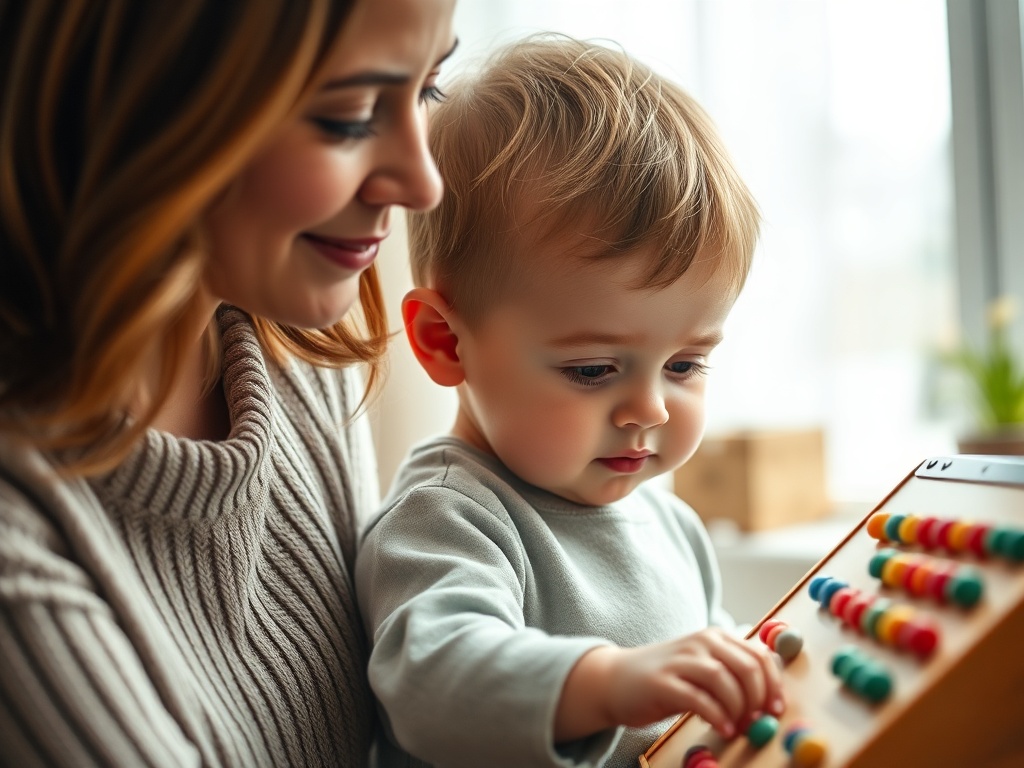
The collaborative environment fostered through this puzzle transcended isolated learning. Children began assuming roles, becoming “experts” on the heart, kidneys, or intestines, and sharing their newfound knowledge with their peers. They discovered not just anatomy, but the essence of teamwork and cooperation.
Every successful placement of an organ was met with applause. The sense of accomplishment and camaraderie reinforced their sense of belonging. In essence, while the puzzle taught them about human bodies, it also knitted a stronger fabric of community among them, stirring stories and dreams of becoming doctors, nurses, and scientists one day.
A Lasting Impression: The Puzzle Leaves Its Mark
Months after the introduction of the Magnetic Human Body Anatomy Puzzle, it remains a cherished part of our learning environment. It’s not just a tool; it’s an ongoing journey into understanding and respect for our bodies. It has sparked inspiration in children, and a better grasp of science, empathy, and personal health management.
As for the impact on me as an educator, this puzzle reaffirmed my belief that education is about sowing curiosity and nurturing it into lifelong learning. Montessori’s teaching goes beyond the classroom confines. This tool has been a testament to that philosophy, an endless wellspring of knowledge and discovery.
Teaching our children about their bodies isn’t just an educational component—it’s a guide for their entire being. The Magnetic Human Body Anatomy Puzzle stands as a beacon in our classroom, a testament to the explorative journey of life itself.
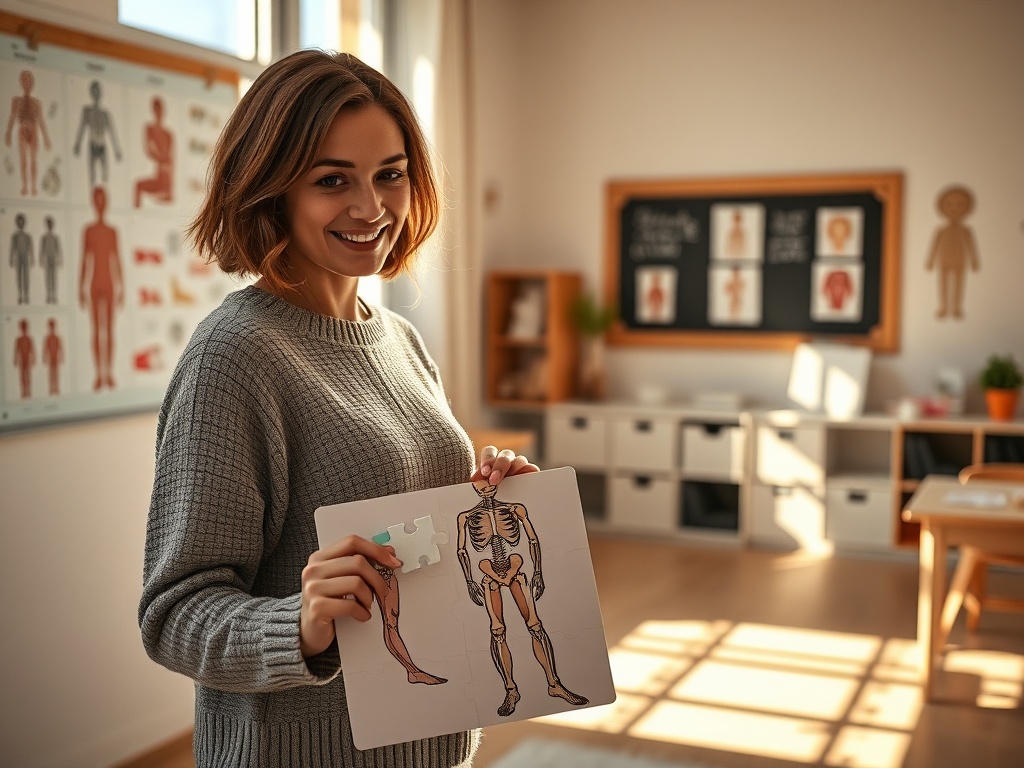
In conclusion, the Magnetic Human Body Anatomy Puzzle has not just been a learning tool; it has been an integral part of our Montessori experience. It continues to inspire both students and educators, fostering a deep appreciation for the wonderful complexity of the human body.
From the Shopmader Community
Real voices. Real play. We value every parent’s honest journey.