Montessori Busy Board for Toddlers: A Journey of Discovery
Understanding the Montessori Philosophy
As a Montessori educator and a passionate advocate for child-led learning, I often find myself reflecting on the beauty of discovery in early childhood. The Montessori method promotes independence and hands-on learning through self-directed activities. One of the most cherished tools in our Montessori classroom is the busy board—a seemingly simple creation that holds the power to engage, educate, and inspire young minds.
Creating the Perfect Busy Board
To truly embody the Montessori spirit, I decided to create a busy board tailored for toddlers, filled with activities that cater to their natural curiosity. My first step was to gather various materials that would not only be safe for little hands but also stimulate their sensory and cognitive development.
After hours of brainstorming, collecting, and assembling, my busy board came to life. It featured clips, zippers, switches, latches, and colorful buttons—each element chosen for its unique interaction opportunities. I aimed for a dynamic design that encouraged fine motor skills, problem-solving, and cognitive growth without overwhelming the child.
Engaging Through Play
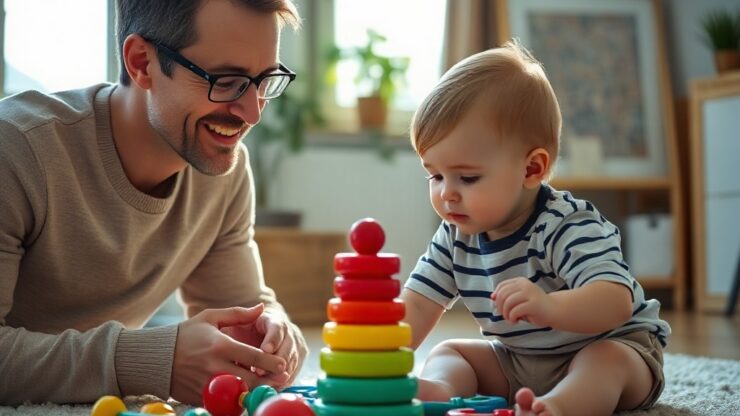
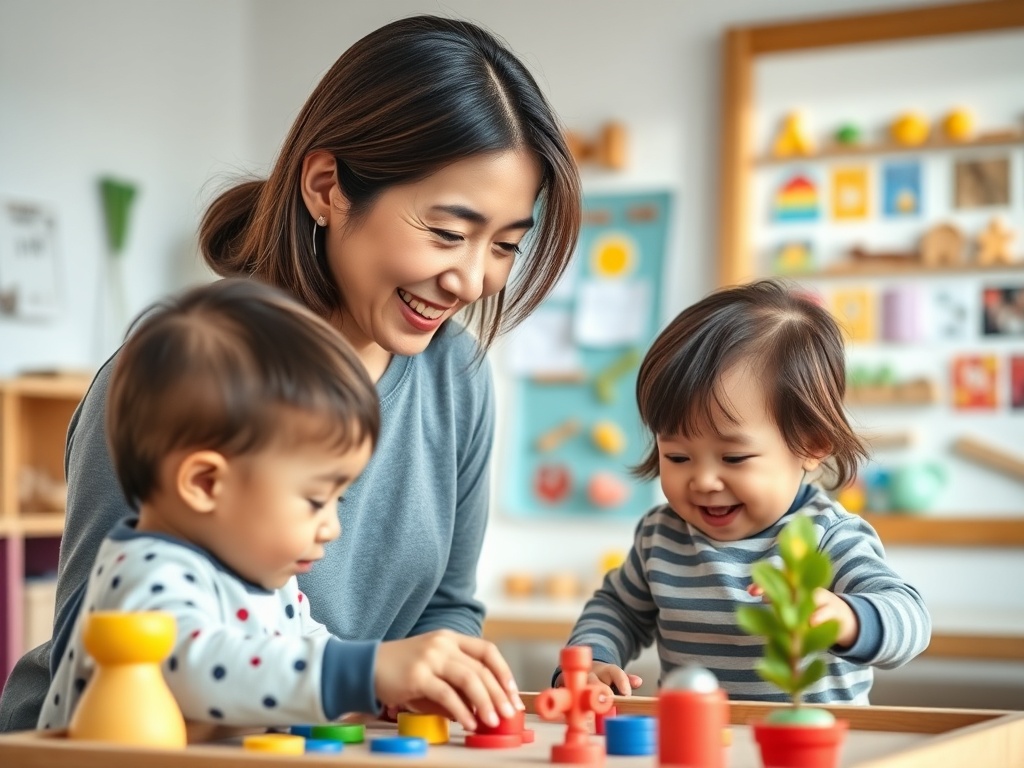
When I introduced the busy board to my class, I watched in pure delight as the toddlers gravitated towards it. Their little fingers explored every latch and button, their faces lighting up with discovery. I observed how they worked through challenges, learned persistence as they struggled with zippers, and celebrated their small victories.
The joy on their faces confirmed what I had always believed: play is a potent form of learning. Through the simple act of engaging with the busy board, toddlers were not just having fun; they were developing essential skills that would serve them well in their journey of growth.
Fostering Independence and Confidence
One of the remarkable aspects of the busy board is its ability to foster independence. As the children manipulated the various components, I could see them growing more confident in their abilities. Each time they untied a knot or successfully flipped a switch, they celebrated a small victory—an affirmation that they can achieve what they set out to do.
This confidence builds a strong foundation for future learning experiences. It teaches the kids that exploration is essential, that making mistakes is okay, and that perseverance can lead to success. As an educator, my role is to guide them gently, ensuring they have the freedom to explore while feeling supported and encouraged.
Parental Involvement in Learning
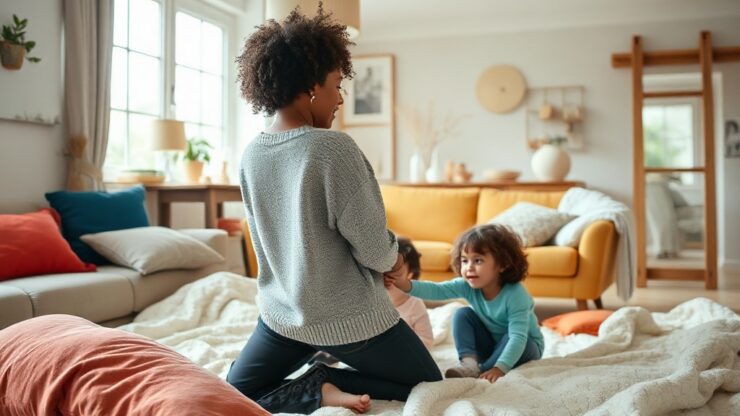
Creating a busy board was not a solitary endeavor. I encouraged parents to participate in the process, emphasizing the importance of a strong home-school connection. We organized a “busy board night,” where parents collaborated with their children in creating elements for the board at home. This not only strengthened their bond but also provided parents with insight into their child’s learning style.
The joy of seeing a parent and child working together, experimenting with different materials, and then sharing their creations on the following day was priceless. It reinforced the idea that learning is not confined to classrooms; it thrives in the synergy of family involvement and community collaboration.
Continuing the Montessori Journey with Busy Boards at Home
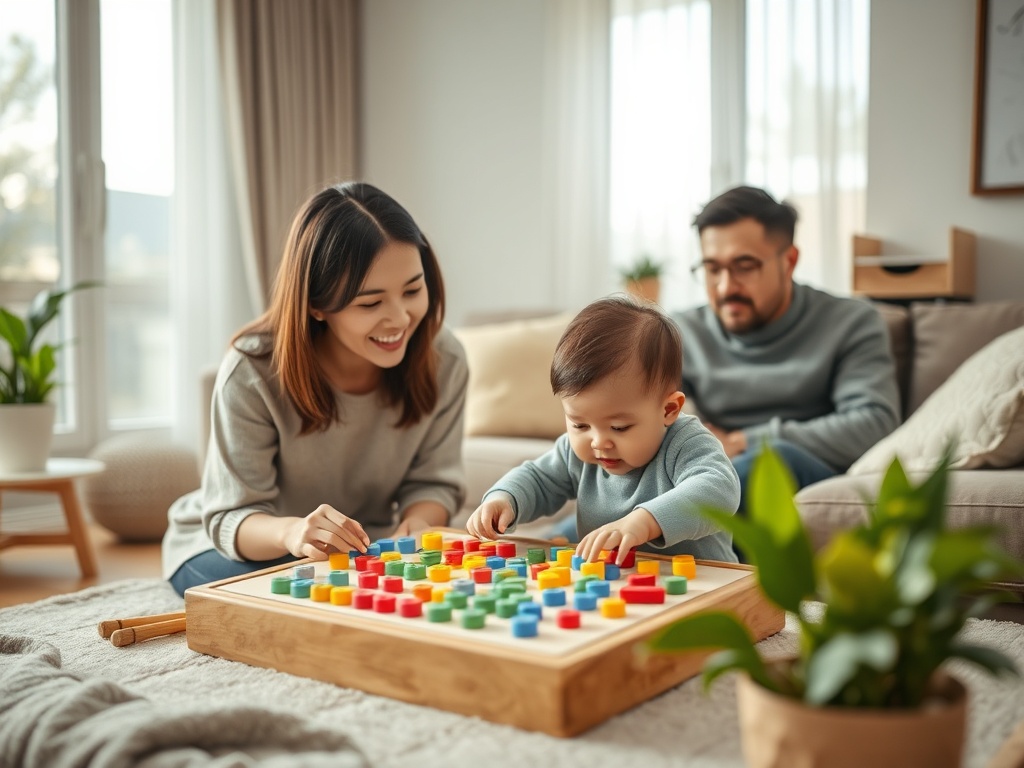
Inspired by the positive impact of the busy board, many parents reached out to me, eager to create similar setups at home. I curated ideas and provided resources for them, laying the groundwork for a Montessori-inspired environment that could extend beyond the classroom. Families began to incorporate DIY busy boards into their living spaces, adapting them to fit their children’s interests and developmental stages.
This extension of Montessori principles into homes nurtured a continuity of learning. Children could engage with their busy boards while at home, allowing them to explore and grow in familiar settings. It became an ongoing experience that emphasized the virtues of patience and perseverance—qualities that I believe are vital in every child’s development.
Final Thoughts: A Legacy of Exploration
As I reflect on the journey of creating and utilizing the busy board in our Montessori classroom, my heart swells with pride. This simple tool has transcended its physical form, becoming a symbol of exploration, independence, and joy in learning. It embodies everything the Montessori philosophy stands for—encouraging children to be curious, take initiative, and learn at their own pace.
The laughter and joy that reverberated through the classroom as toddlers discovered the board fuels my passion as an educator. I see it as a foundational stepping stone towards a lifelong love for learning. Each time I witness a child’s eyes light up with curiosity, I am reminded of the essential role of play in education. The busy board is more than a craft; it’s a pathway to empowerment and self-discovery.
As I continue to advocate for Montessori principles, I hope more parents embrace this philosophy and introduce tools like the busy board in their homes. Let us nurture a generation of learners who are confident, curious, and ready to take on the world, one latch at a time!
From the Shopmader Community
Real voices. Real play. We value every parent’s honest journey.