Montessori Busy Board for Toddlers: A Heartfelt Journey
Introduction: The Joy of Discovery
As a mother of two vibrant and curious children, I constantly seek ways to nurture their innate desire to explore the world around them. My journey into Montessori education began when I first heard about the concept of hands-on learning. This approach ignited a spark in me, leading to the creation of a Montessori busy board for my toddlers. Today, I’d like to share not just the utility of these boards but the heartwarming experiences that decorated our daily lives.
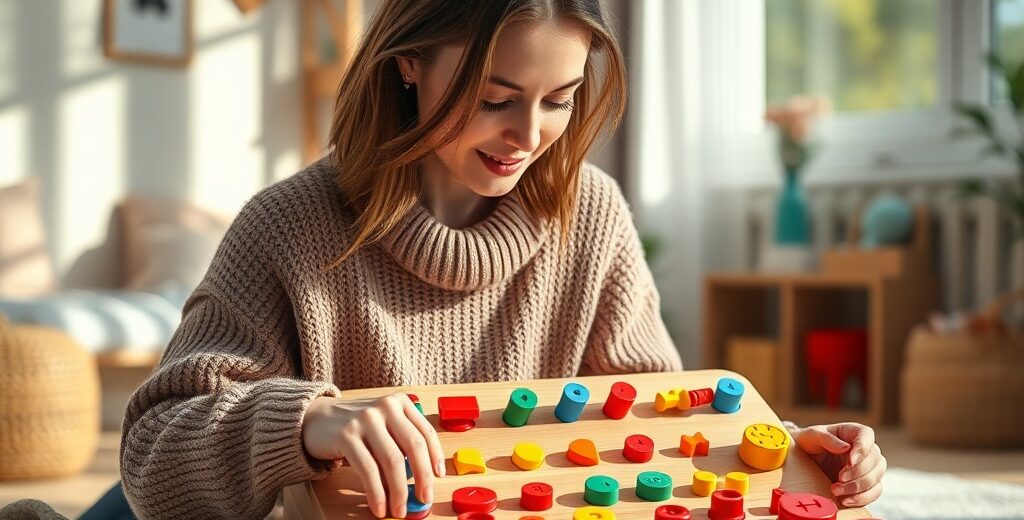
Why a Busy Board? My children, Mia (3) and Noah (2), have always been eager to get their tiny hands on everything. At times, I found it challenging to keep them engaged in productive play without resorting to screens. That’s when I stumbled upon the idea of a Montessori busy board, an interactive tool designed to enhance fine motor skills while promoting independent learning.

Crafting Together: A Family Bonding Activity
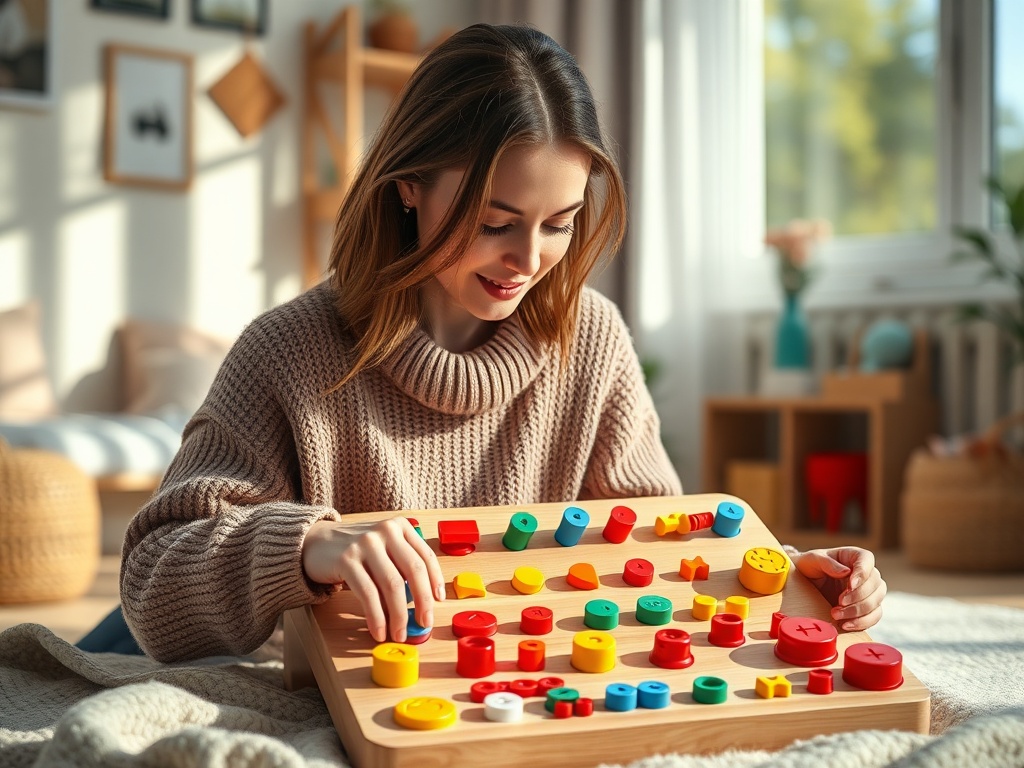
Creating the busy board was not just about making a toy; it became a family project that brought us closer. We gathered various materials: clothespins, zippers, buttons, and different textures of fabric. With each item I added, I could see the excitement brewing in Mia and Noah’s eyes. They helped me paint the board and choose the pieces, making it a shared adventure filled with laughter and creativity.
This experience was not only an opportunity to construct something tangible; it cultivated their ability to express ideas and share opinions. Mia suggested using colorful ribbons, while Noah was thrilled about the shiny bells. It was a beautiful moment of collaboration, showcasing their personalities and preferences.

The Magic of Independent Play
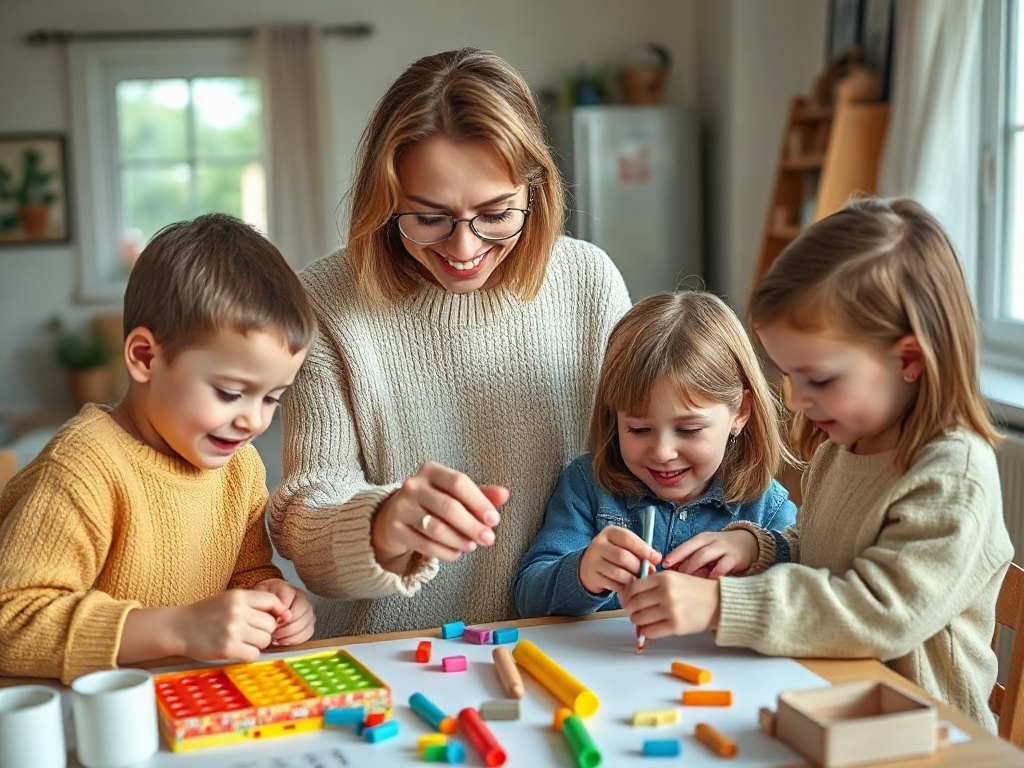
Once the busy board was complete, I could hardly contain my excitement. The transformation in our playtime was immediate and profound. Instead of vying for my attention, both kids spent hours immersed in their activities. Amidst the soft tinkling of bells and satisfying clicks of buttons, I witnessed their minds working through problem-solving and imaginative play.
Mia quickly became the “big sister teacher,” guiding Noah on how to use the latches and zippers. Their interactions were so heartwarming—sharing tips, cheering each other on, and even to my surprise, punctuated with giggles as they navigated through the challenges presented by the busy board. It facilitated a learning environment that was rich in curiosity and collaboration.
The busy board became our little sanctuary, promoting creativity and improving their fine motor skills. I observed them mastering the ability to turn a knob or press a button, each victory celebrated with joy. It became clear to me that the benefits of this board extended far beyond play; it was a window through which they could explore independence and self-confidence.
Learning Through Exploration
With curiosity at the helm, our busy board became more than just a source of entertainment; it was a tool for learning various important concepts. The textures helped their sensory development. The buttons and velcro challenged their dexterity. Every time they explored a new feature, they were not merely playing but learning crucial skills that would lay the foundation for future endeavors.
For instance, the ability to manipulate buttons gave them a sense of accomplishment. They learned cause and effect seamlessly; pressing a button made a sound or opened a latch, linking their actions with results. It was exhilarating to watch their faces light up with the joy of discovery each time they unveiled a new hidden element.
In an age where information is at our fingertips, this hands-on approach stood out to me as revolutionary. It reminded me of the importance of genuine discovery and the profound impact it could have on their development as inquisitive individuals.
The Gift of Patience and Resilience
As much as the busy board represented creativity and exploration, it also became a space to teach patience and resilience. Not every interaction was smooth sailing; there were moments of frustration when they couldn’t figure out how to open a latch or successfully press a button. During those moments, I embraced the opportunity to teach them not only how to solve the problem but also how to manage their feelings.
“It’s okay to be frustrated,” I would say. “Let’s try again.” I showed them how to take deep breaths, step back, and examine the situation with a fresh perspective. These lessons extended beyond the busy board; they became valuable life skills. The busy board was not just about enjoying play but about navigating the emotional rollercoaster of challenges in learning.
Conclusion: A Heartfelt Reflection
Looking back, incorporating a Montessori busy board into our daily lives was one of the best decisions I made as a mom. It facilitated not just the fine motor skills and cognitive abilities of my children but also created moments of bonding, patience, and joy.
It taught me that parenting is equally about creating spaces for children to explore, discover, and learn independently as it is about involvement and guidance. As I watch Mia and Noah thrive in their learning journey, I’m filled with hope and excitement for their futures. I encourage every parent to consider such interactive tools for their toddlers; you never know how much joy and growth can be contained in a simple board filled with buttons and latches.
From the Shopmader Community
Real voices. Real play. We value every parent’s honest journey.