Embracing Montessori Principles: Our Journey with Toy Rotation
Hello, fellow parents! I’m Sarah, a mom of two energetic children, Mia and Noah. As a family, we’ve chosen to adopt a Montessori-inspired approach to learning and play. The most significant aspect of this journey has been our Montessori toy rotation, a practice that has transformed our home and our children’s approach to play. Let me share our heartfelt story.
Understanding Montessori Principles
When I first heard about Montessori education, I was captivated by its focus on independence, respect for a child’s natural development, and the importance of a prepared environment. I wanted to provide Mia and Noah with choices while also nurturing their innate curiosity and creativity. Montessori emphasizes letting children learn at their own pace, which resonated with me as I began to explore ways to support their development through play.
The Birth of Toy Rotation
Initially, our living room was overflowing with toys. It felt overwhelming for me and confusing for the kids. I started to notice that rather than engaging with their toys, they would often become frustrated or distracted. It was then that I discovered the concept of toy rotation.
In essence, toy rotation is about simplifying choices. By rotating the toys available to Mia and Noah every few weeks, I aimed to create a more engaging and stimulating environment. The idea is to have a limited selection of toys at any given time, allowing children to focus more deeply on what they have. It sounded like a simple solution, but I was excited to see the results!
Curating the Collection
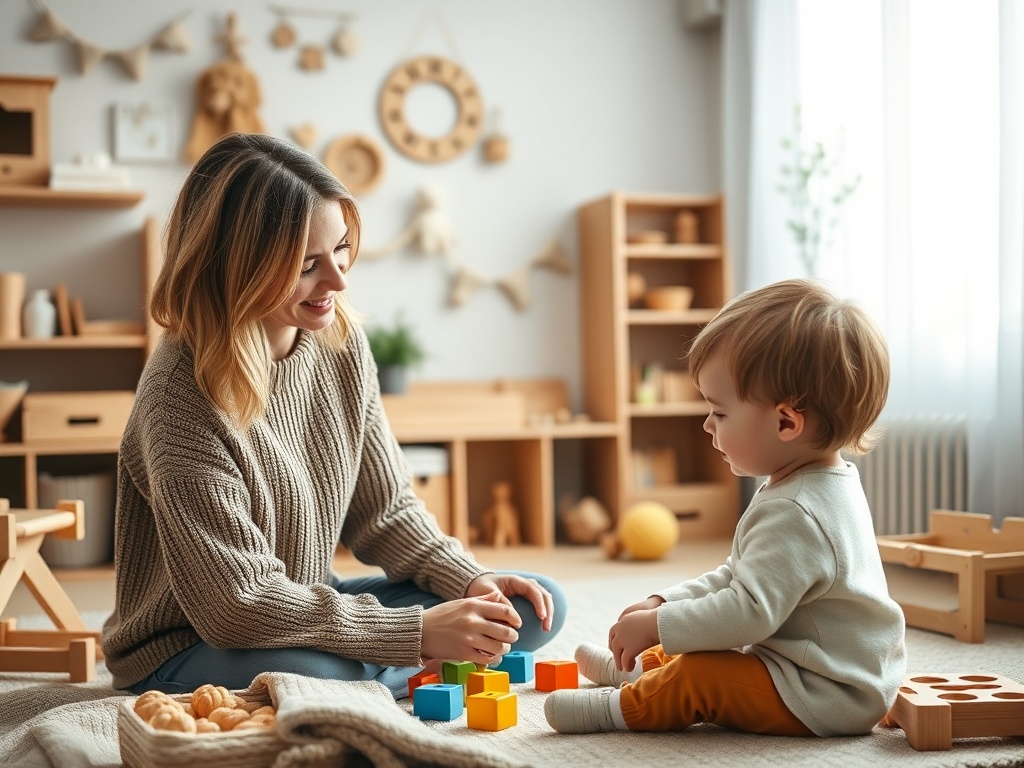
Curating toys for our rotation involved quite a bit of thought. I started by selecting Montessori-inspired toys that encouraged open-ended play. For example, wooden blocks for building, sensory bins for exploration, and art supplies for creative expression.
Every toy had a purpose, assisting in the development of different skills – from fine motor skills to problem-solving. As I lovingly grouped the toys, I employed a system where I would observe which toys engaged the children the most, then plan future rotations around their interests and developmental needs.
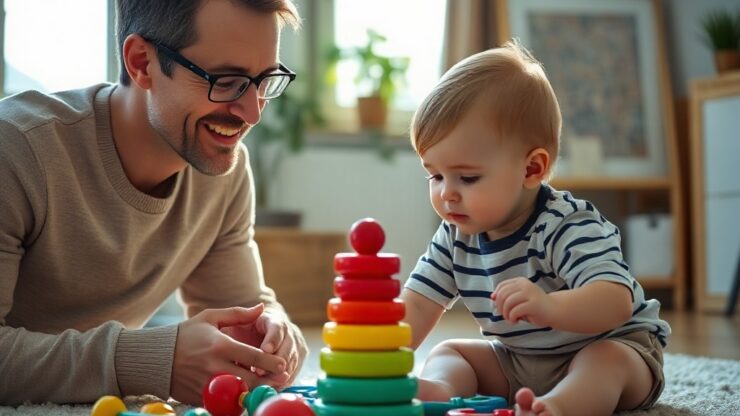
Our first rotation was a success! I could see Mia, who is five, deeply engaged in a sorting game, while Noah, only two, immersed himself in a colorful stacker set. Their excitement was contagious! It was that day I understood the importance of thoughtful toy selection.

The Power of Discovery
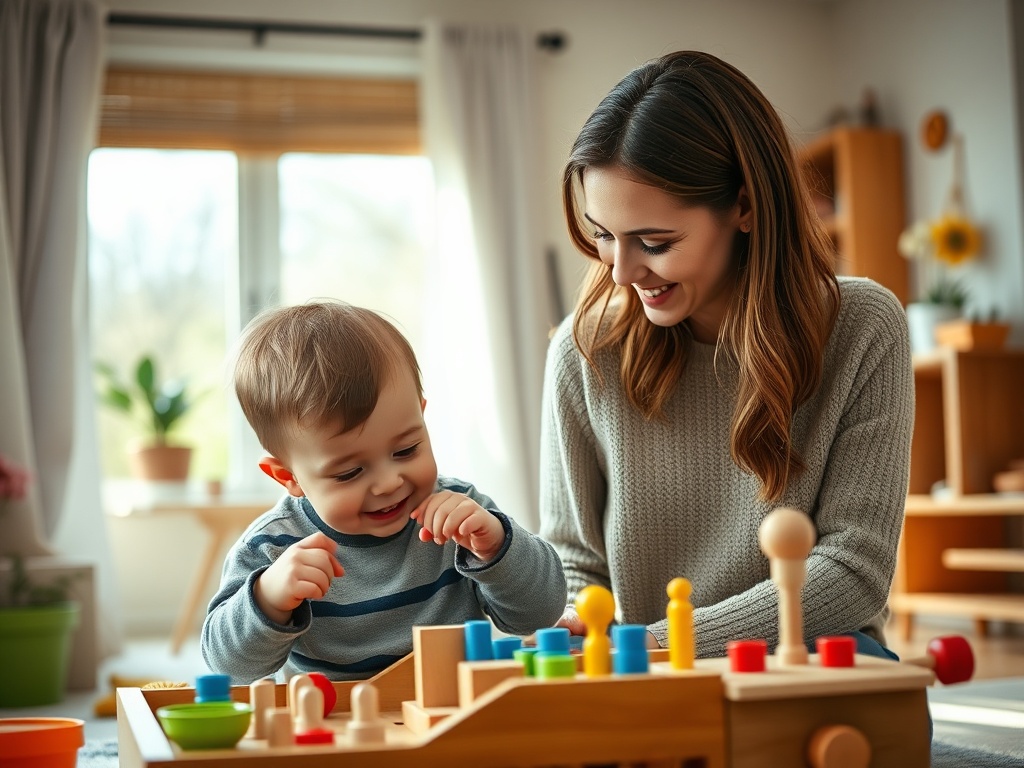
As the weeks passed, I witnessed the incredible impact of our toy rotation. With every change, the children would rediscover familiar toys as if they were new. For instance, a simple puzzle that had been sitting untouched for months suddenly grabbed Noah’s attention when I reintroduced it. I watched, mesmerized, as he concentrated, fingers gently placing each piece in place.
Mia, too, began to experiment more with her toys. With fewer options available, she learned to create her own play, using blocks to build a small village and incorporating stuffed animals to tell stories. It was beautiful to see how the rotation encouraged them to be innovative and foster imaginative play, reinforcing the very core of Montessori philosophy.
Involving the Kids
One of the most rewarding aspects of the toy rotation has been involving Mia and Noah in the process. They now help choose which toys to rotate out and which to bring back. This not only gives them a sense of control but also teaches them important skills about organization and decision-making.
I set up a little ‘Toy Committee’ where we would gather, and they would share what they loved or what they wanted to play with again. Mia, full of enthusiasm, suggested, “Can we bring back the art supplies? I want to make a birthday card for Daddy!” Seeing their engagement made me realize that our toy rotation was not just about toys, but rather a way to build their sense of autonomy.
Reflecting On The Journey
As I sit here today reflecting on our Montessori toy rotation journey, I feel immense gratitude. This simple practice has not only decluttered our space but has fostered a love for play that is nourishing for Mia and Noah. I’ve seen them grow into confident little explorers, unearthing their potential day by day.
By allowing them to engage with a few toys at a time, I’ve witnessed them dive deeper into their play. They problem-solve, collaborate, and negotiate with each other; all valuable skills that will serve them well as they continue to grow. Our home has become a space where learning is interwoven with joy, curiosity, and creativity, which is probably the greatest gift of all.

Conclusion: Your Journey Awaits
To all the parents out there, if you’re considering a Montessori approach, I encourage you to explore toy rotation. It can be a game-changer in how your child engages with their environment. Embrace the process, get your kids involved, and watch as your space transforms into a haven of learning and exploration.
Remember, each child is unique, so listen to what resonates with your little ones. Every rotation can be a fresh journey, a new opportunity for discovery, and an invitation to play and learn together. Thank you for joining me along this heartfelt adventure! May your homes be filled with joy, laughter, and discovery!

From the Shopmader Community
Real voices. Real play. We value every parent’s honest journey.