Montessori Toys by Age: A Heartfelt Journey Through Play
Hi there! I’m Sarah, a proud mom of two wonderful kids, Emma and Liam. As a mom, I’ve always sought wholesome, educational ways to engage my children. With so many toys available, it can be overwhelming to decide what is best for their growth and development. That’s when I discovered Montessori toys and their timeless appeal. In this journey, I want to share how Montessori toys have enriched my children’s playtime, what to look for at different ages, and the qualifications for what makes these toys special.
The Early Years: Introducing Montessori Toys to Infants
When Emma was just a few months old, I was determined to introduce her to toys that would stimulate her senses and foster learning. I started with soft, colorful toys made of natural materials that were gentle on her touch. Montessori principles emphasize hands-on learning and sensory exploration, so I began with toys like rattles made from wood and cloth. The tactile experience was not just about fun but also about foundational neurological development.
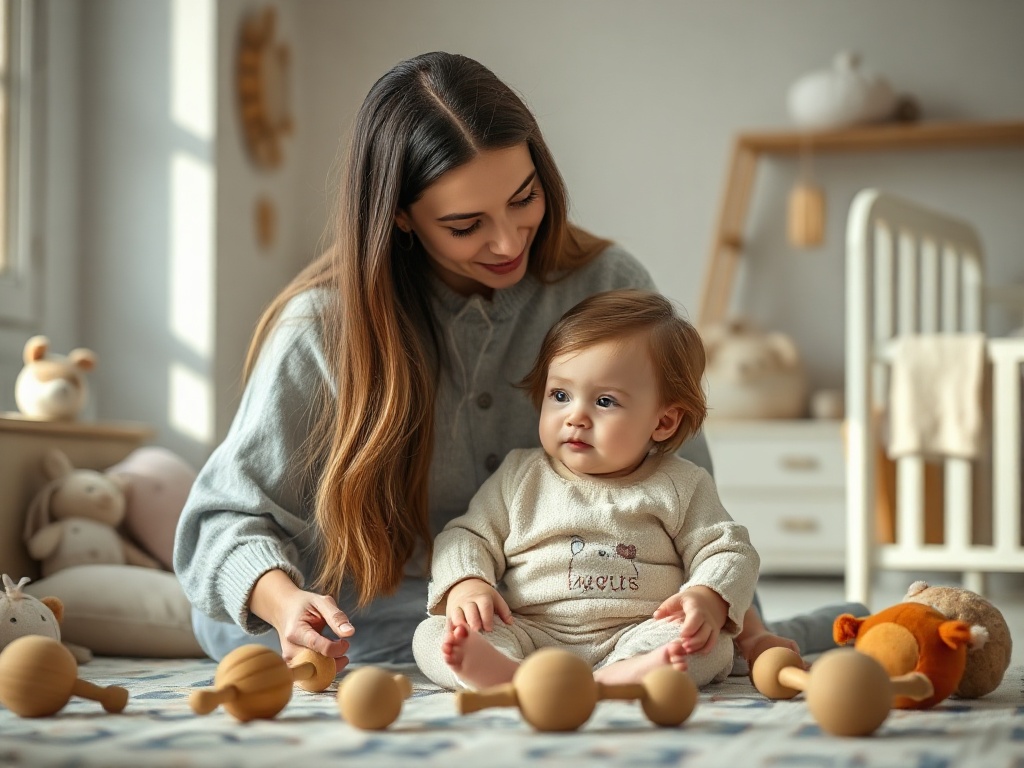
At this age, I realized that even simple toys, when chosen thoughtfully, could cue exploration and curiosity. For infants, it’s also essential not to overwhelm them. I selected only a few quality toys that were safe and engaging, and it worked wonders—Emma would spend hours grasping, shaking, and mouthing them, beautifully beginning her journey of discovery.
Active Exploration: Montessori Toys for Toddlers
As Emma transitioned into the toddler stage, I saw her thirst for exploration grow exponentially. By the time Liam came along, I had curated a small collection of Montessori toys tailored to their developmental needs, fostering independent play. For toddlers, the goal is to encourage problem-solving skills and fine motor development. I found that toys like building blocks, stacking toys, and simple puzzles became staples in our home.
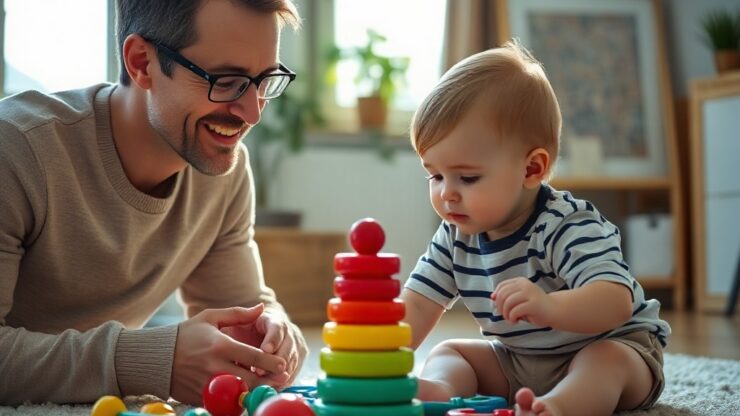
One of my favorites was a set of wooden stacking rings. It was amazing to watch Emma and Liam learn to balance the rings on the pole. These toys not only promote dexterity but also teach valuable lessons about size, sequence, and balance. I loved witnessing their little faces light up with accomplishment as they mastered these skills.
Preschool Years: Building Skills Through Play
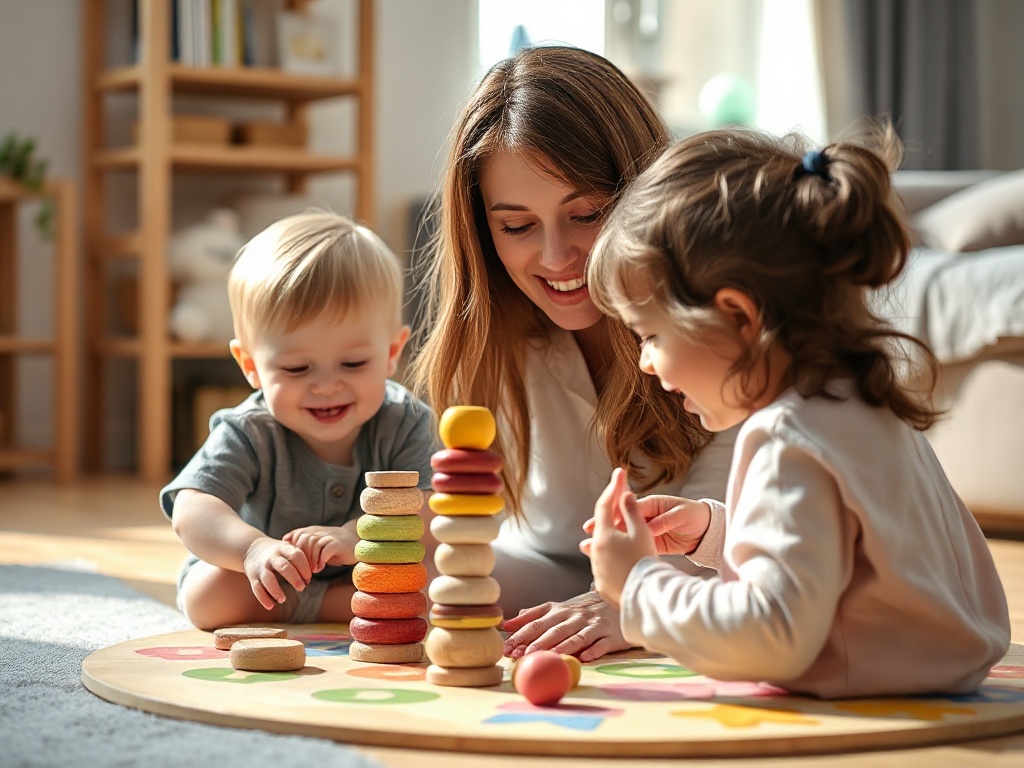
As both kids approached preschool age, I started introducing more complex toys to cultivate their growing curiosity. Toys like Montessori-inspired art supplies, simple musical instruments, and nature sets became elements of their everyday play. Investing in high-quality, open-ended toys was a priority for me, as I wanted them to be creative with their learning. For instance, I purchased a set of wooden art blocks that could be used for building, coloring, or sorting.
Art has always been a significant part of our family life, and these toys provided a platform for self-expression. I remembered a beautiful afternoon where Emma was busy painting while Liam attempted to stack blocks into towering structures. They were lost in their world of creativity, which allowed them to express their thoughts and emotions freely. This open-ended play significantly enhanced their cognitive skills and independent thinking.
The Power of Imagination: Montessori Toys for Older Kids
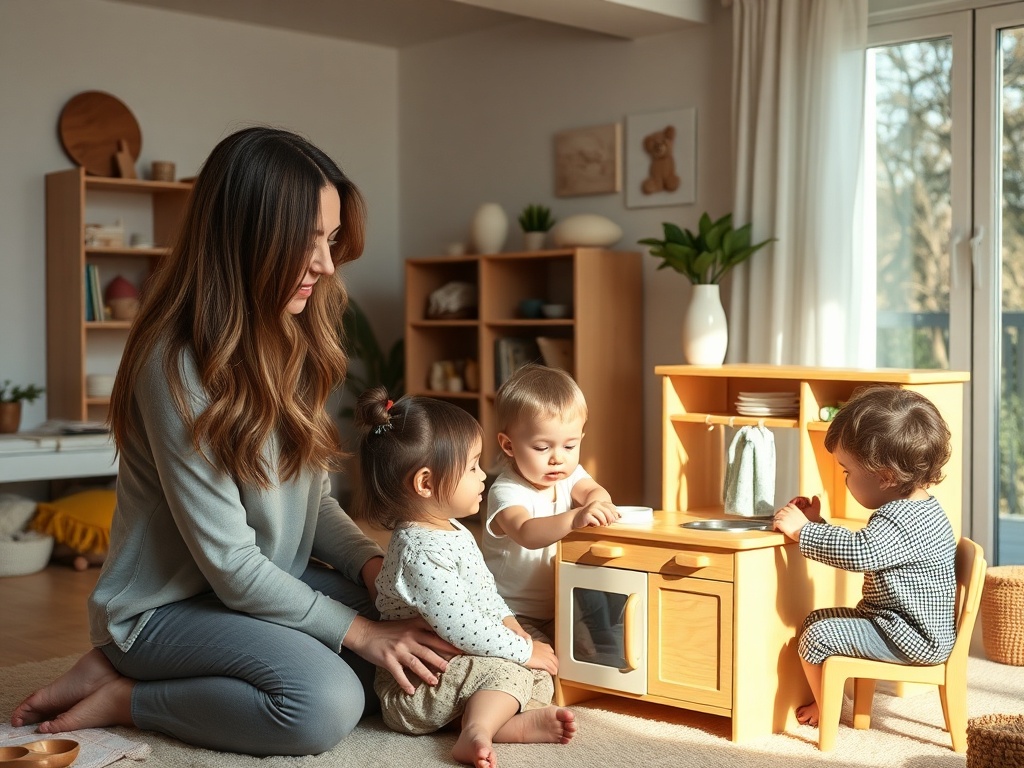
As the kids continued to grow, I wanted to ensure that their play was both fun and nurturing. By the time they reached ages five and seven, they craved more advanced challenges. I started exploring Montessori toys that encouraged skills like empathy, cooperation, and imaginative play, such as role-play sets and cooperative board games. One evening, I surprised them with a wooden kitchen set that sparked a world of role-playing adventures.
The kitchen set quickly became a favorite, and I loved watching Emma and Liam mimic cooking, serving, and cleaning up after imaginary dinner parties. These moments brought forth scenarios that enhanced their understanding of everyday tasks, responsibility, and the joys of teamwork. It was heartwarming to hear them giggle and talk about their ‘customers’ while working side by side.
Choosing Quality Over Quantity: The Montessori Philosophy
Reflecting on our journey with Montessori toys, I’ve genuinely come to appreciate the Montessori philosophy of prioritizing quality over quantity. At every stage of their childhood, less has often meant more for both Emma and Liam. The emphasis on open-ended play, independence, and hands-on experiences has fostered their inquisitiveness and confidence in their abilities.
One of the best pieces of advice I received as a new mom was to embrace simplicity. Providing a limited yet purposeful selection of Montessori toys allowed my children to make choices that best suited their interests and developmental needs. It’s been a fulfilling experience to watch them thrive through controlled environments where they can explore and learn at their own pace.
Conclusion: A Journey of Learning and Love
As I look back on the journey with Montessori toys, I am filled with gratitude. Playing with purpose has not only enriched our home by creating lasting memories but also allowed Emma and Liam to develop their skills in meaningful ways. It’s heartening to witness their growth, curiosity, and creativity blossom because of these wonderful toys.
For any parent wondering how to enhance their child’s development through play, I wholeheartedly recommend embracing Montessori principles and selecting toys that encourage exploration, creativity, and independent learning. Whether you’re a new mom or looking to expand your collection of meaningful toys, remember that the goal is to nurture your child’s instincts, curiosity, and joy in learning.
From the Shopmader Community
Real voices. Real play. We value every parent’s honest journey.