The Viral Sensory Toy Revolution: A Montessori Educator’s Perspective
Elena, a devoted Montessori educator and parent, shares her deep-seated journey and heartfelt experiences with a sensorial phenomenon that has taken the parenting world by storm.
An Unexpected Introduction
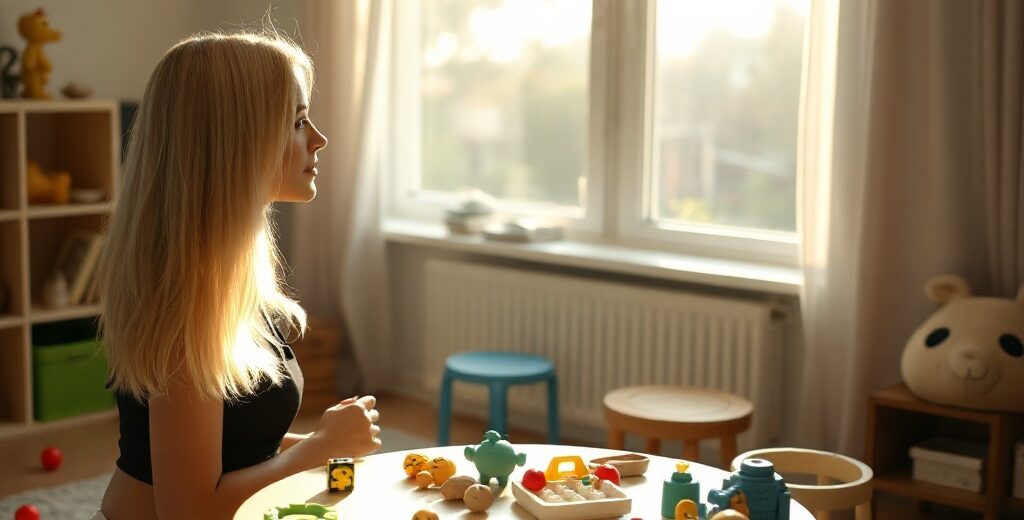
It was a garden of bright yellows and deep blues, akin to a child’s painting, that introduced me to the mesmerizing world of viral sensory toys. As a Montessori educator, my educational philosophy is deeply rooted in providing children with tools that ignite their natural curiosity and foster independence. It was an ordinary morning at the Montessori school I’ve lovingly guided for over a decade; the sun spilled through the windows, casting a golden glow over tiny chairs and tables.
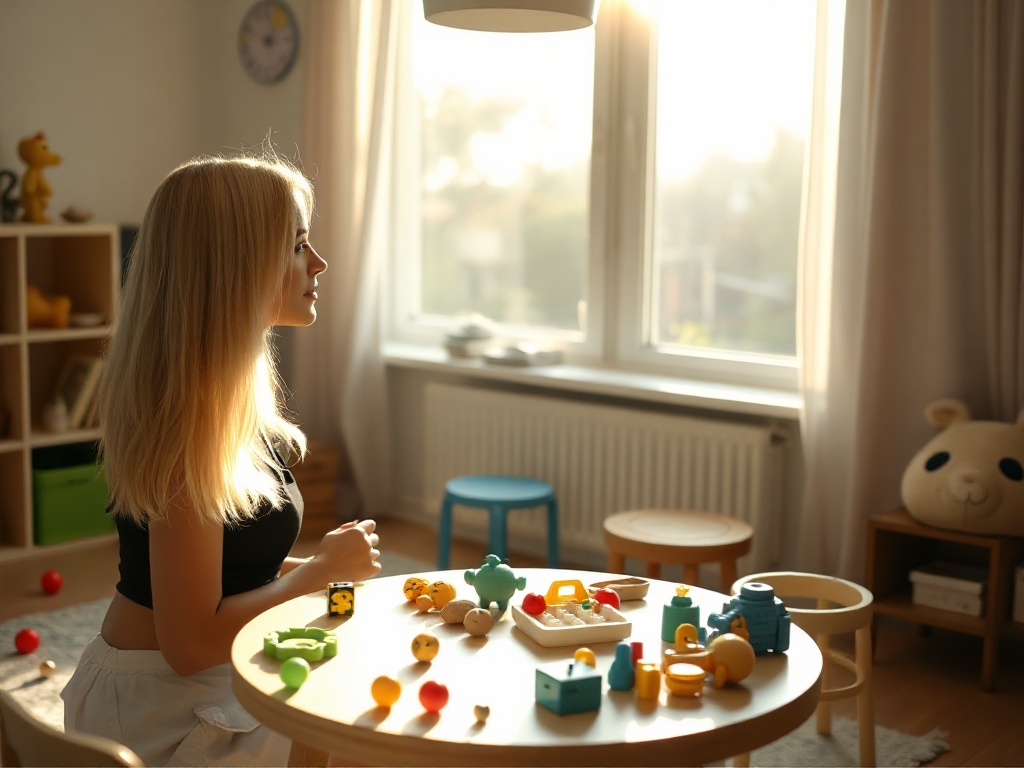
A curious packet arrived at the doorstep—a gift from an enthusiastic parent whose child had recently joined our community. Inside, there lay an assortment of vibrant, squishy, and seemingly alien contraptions – the very viral sensory toys that have been making waves across social media platforms worldwide.
The First Encounter with the Toy’s Magic
The curiosity was palpable among the children as they gathered around. Each toy bore an assortment of features designed to enthrall the senses. Textures ranged from satiny smooth to enticingly gritty, and colors were vivid enough to challenge the vibrancy of nature itself. As a devoted Montessori advocate, I hesitated at first, wondering if these toys would align with the cornerstones of discovery and exploration.
My reluctance quickly faded as I witnessed the magic unravel before my eyes. The classroom transformed into a haven of serene concentration. Children who often struggled with maintaining focus were gently peeled away from distractions by these intriguing toys. The classroom ambience shifted to a gentle hum, where the buzz was no longer from restlessness but from focused engagement.

Understanding the Toy’s Science
What lies beneath the surface-level fascination of these sensory toys is a rich tapestry interwoven with neurodevelopment and psychological comfort. As I embarked on a journey to understand the science behind these captivating devices, I delved into research articles and academic studies. They were designed to appeal not merely through color and texture but by engaging the prefrontal cortex in the brain—a critical area for problem-solving and emotional regulation.
I learned that the pleasant tactile feedback provides sensory input that can be inherently soothing and focusing. Therein lay the secret to their newfound fame for helping alleviate anxiety, improve focus, and even assist children with special educational needs. What seemed like a whimsical toy on the surface was, in fact, teaching children to engage actively with the environment in a meaningful way.
Integrating with Montessori Methods
As weeks went by, I sought to integrate the newfound sensory tool within the Montessori principles. Drawing upon the pedagogy of child-led learning, these toys fit seamlessly as they amplified a child’s ability to engage sensory pathways while making independent discoveries.
The young ones adored using them during quiet time. They were no longer just toys but extensions of the children’s own curiosity, facilitating an inner calm that is often elusive in the chaos of early childhood. The classroom saw some extra space dedicated to a designated ‘Sensory Corner,’ embellished with cozy rugs and plush pillows, where children could retreat for a session of tactile contemplation.

A Parent’s Perspective Shift
Outside the school’s walls, my identity as a parent also began to intertwine with my newfound appreciation of these toys. At home, my own children followed diverse patterns of play—one weaving tales of grandeur with building blocks, while the other found comfort in solitude and focused interaction with sensory toys.
Initially, these toys were met with skepticism by fellow parents at gatherings. Some expressed concern over the growth of technology overshadowing traditional methods of play. However, discussions slowly evolved as these parents observed their children’s days filled with decreased stress and heightened concentration, demonstrating strides that debunked initial misgivings.
The Ripple Effect of a Little Toy
The charm of these sensory toys ripples beyond the boundaries of the school and home. As news spread through our Montessori community, parents often approached me with their own stories of transformation. They spoke of children displaying newfound confidence or communicating their anxieties better. It fostered a dialogue between parents and educators about nurturing environments that support unstrained emotional expression.
From this experience blossomed a gentle reminder of our duty to adapt, as caregivers and educators, to the ever-evolving landscape of child development. The viral sensory toy proved to be an ally rather than a mere trend. It enables us to offer children the sanctuary they need to explore their thoughts and emotions freely, while enjoying the art of play.
In reflection, a simple viral toy reshaped not just an educational approach, but also a fragment of my identity both as an educator and a parent. To embrace change often feels daunting, but as it turns out, it is often the whimsical colors of innovation, from unlikely packages, that propel both learning and love forward.
From the Shopmader Community
Real voices. Real play. We value every parent’s honest journey.