Embracing Montessori: Top Toys for Daily Play
Hello, dear readers! My name is Elena, and as a dedicated Montessori educator for over a decade, I have the privilege of witnessing the magic that unfolds when children are provided with the right tools to explore the world around them. Today, I’m excited to share a heartfelt story, stitched with countless cherished memories, about top Montessori toys that have inspired endless moments of discovery and joy in children.
Finding Joy in Natural Wood Blocks
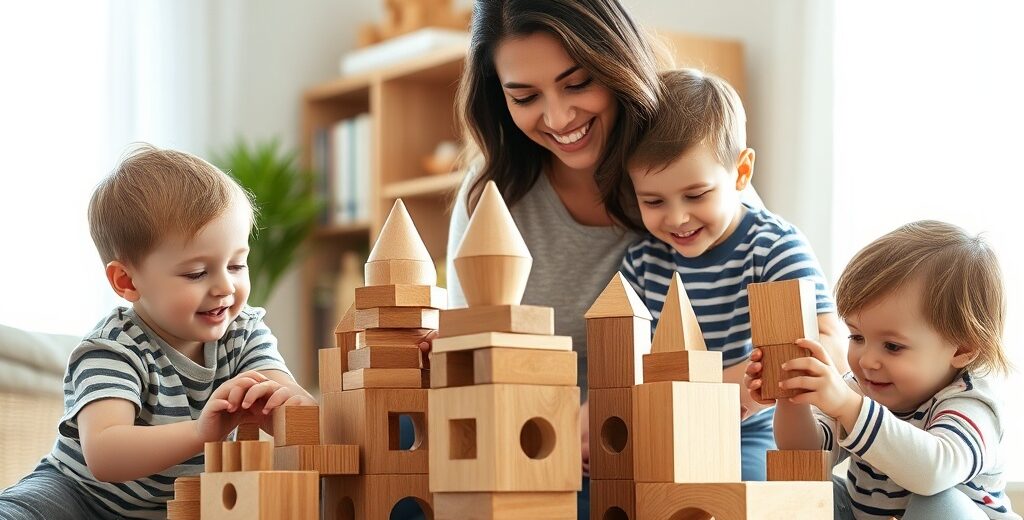
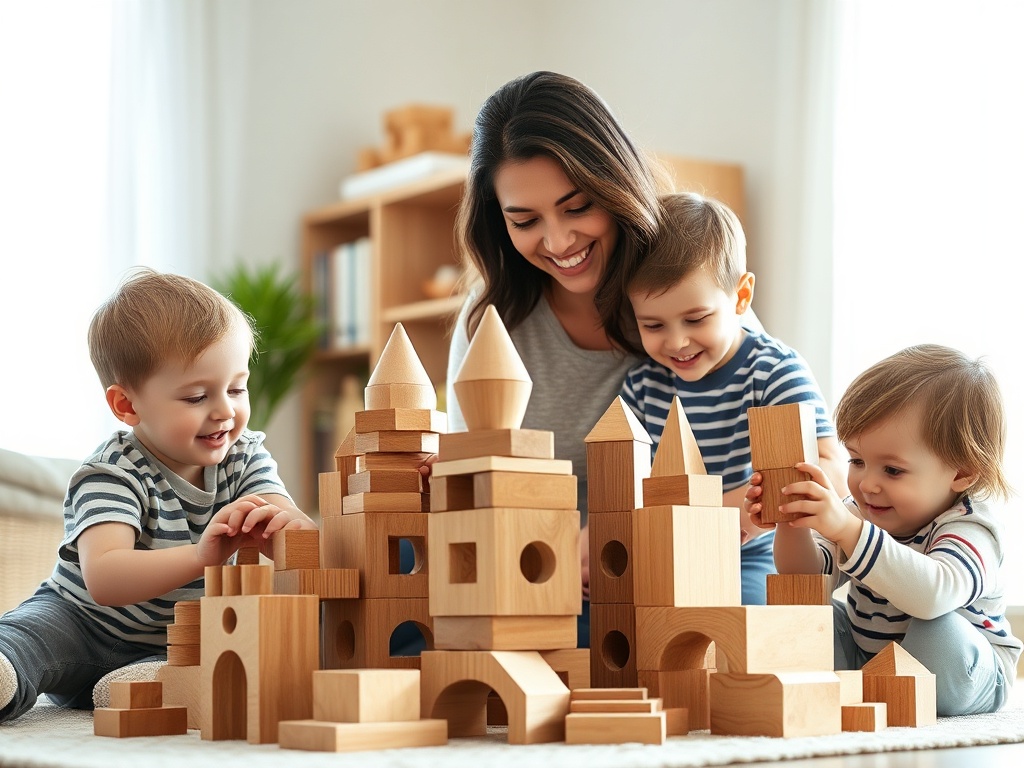
Wood blocks might seem simple to the untrained eye, but they are the gateway to a child’s imagination, an invitation to create engineering feats and mystical castles. Unlike flashy plastic blocks, natural wood blocks are hefty, smooth, and inviting—a sensory delight that Montessori philosophy wholeheartedly embraces.
One breezy fall afternoon, I walked into our daycare to find the children huddled around a cluster of blocks, intensely engaged. They weren’t just stacking randomly; they were weaving stories—castles for kings, space stations for astronauts, farms bustling with animals. These blocks are more than toys—they’re instruments of creative storytelling.
Feeling intrigued by their intensity, I sat down with them. “What are you building today, friends?” I asked. Their faces lit up as they eagerly explained their constructions, pointing to architectural marvels that only their minds could envision. It’s amazing how something so simple can become the foundation of so much learning and play.
Colorful Wonders: The Bead Maze
The bead maze toy, with its vivid colors and twisting paths, is not just eye-catching but also a delightful exercise in coordination and concentration. Watching little fingers deftly maneuver beads along winding wires is nothing short of mesmerizing.
One parent shared, “My son, Liam, was rather reserved and seldom focused on one activity for long. Then he discovered the bead maze. It became a staple in our daily routine; each morning, he would pick it up and pursue new paths for his beads to travel. His concentration has grown remarkably, and it’s fascinating to watch his patience blossom.”
The bead maze’s success isn’t just about keeping a child entertained; it embodies important principles of Montessori education—independence, focus, and a natural curiosity to solve problems at their own pace, without interference.

Discovery through the Rainbow Stacker
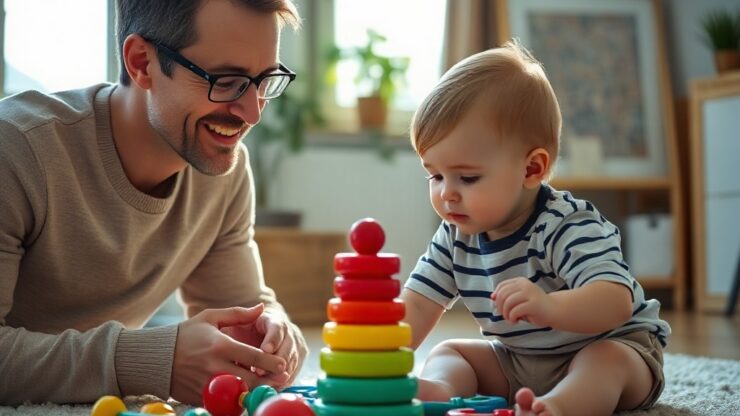
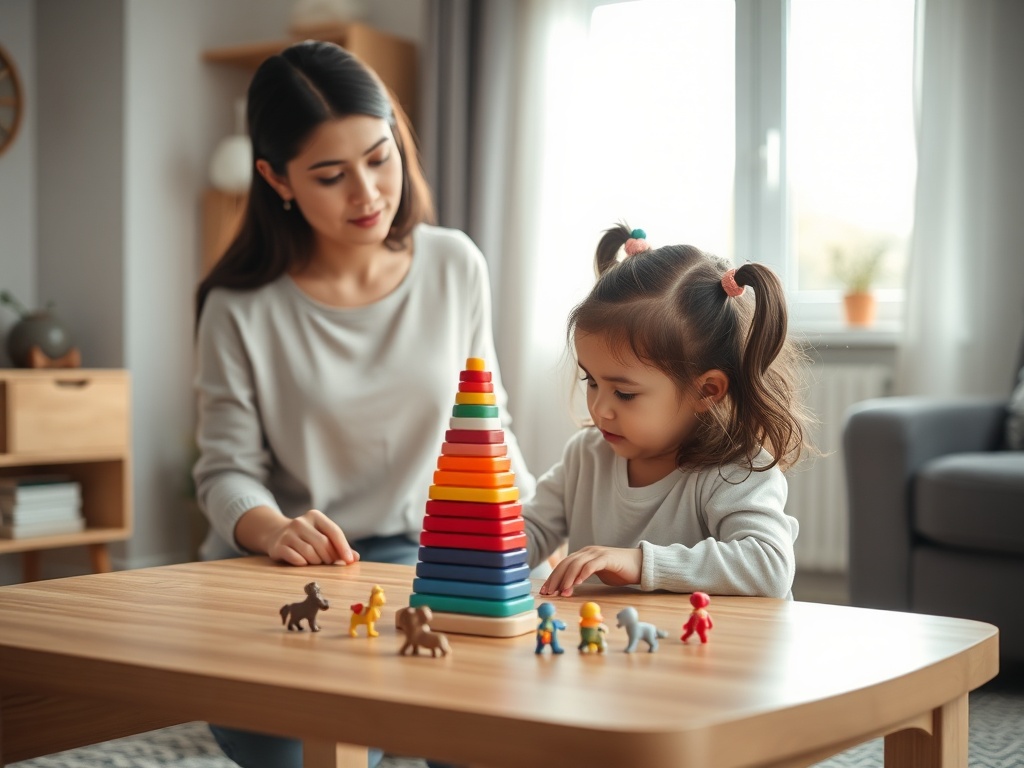
Ah, the beauty of the rainbow stacker! This spectrum of arched wooden arcs has become one of the clearest symbols of Montessori playtime. In its simplicity lies the power to teach balance, symmetry, and the nuances of color theory, while engrossing children in play that appears almost hypnotic.
One rainy afternoon, Leila, a vibrant 4-year-old in our class, delighted in stacking the arcs in every possible combination. Towering rainbows gave way to tunnels, bridges, and serpentine paths for her toy animals. Her imagination danced from world to world, and I was reminded of the sheer versatility embedded in these blocks.
The rainbow stacker encourages open-ended play, allowing children to set their own boundaries and objectives—an essential component of self-directed learning that Montessori emphasizes.
The Triumphant Pull of the Pull Toy
The humble pull toy is perhaps understated in its charm but watch a toddler giggle in delight as they race around the room, wheels rumbling on the floor, and you’ll see why it remains an evergreen choice for Montessori settings.
I remember little John, an enthusiastic explorer in our class. He had this adorable duck pull toy that quacked with each tiny tug. It wasn’t just a toy; it became his constant companion, encouraging him to explore new corners, strengthening his motor skills as he mismatched tugs and style.
The freedom toddlers experience when their movements guide the pull toy’s path links directly back to Montessori’s emphases on independence and the joys of self-sufficiency.
Puzzles: The Thinker’s Toy
Puzzles play a crucial role in the Montessori environment. They offer challenges at various levels of difficulty, promoting cognitive development, fine motor skills, and problem solving.
Each child in my classroom had their favorite puzzle, from simple shape sorters to intricate world maps. Maria, in particular, showed an impressive aptitude for puzzles. She would radiate this quiet, determined energy as she carefully matched pieces, learning about spatial awareness with each successful placement.
Offering a range of puzzles not only caters to varying abilities but also sustains a child’s intrinsic motivation to engage in puzzles of increasing complexity—an embodiment of sequential learning favored by Montessori education.
As I wrap up our little exploration into these wonderful Montessori toys, remember that they are more than just objects. They are invitations to imagine, discover, and grow independently. Incorporating these toys into your child’s playtime not only enriches their day but also fosters a lifelong love of learning.
Thank you for joining me on this nostalgic journey. I trust you’ll find the joy, wonder, and beauty in these thoughtfully chosen Montessori toys as much as I have. Till next time, happy playing!
From the Shopmader Community
Real voices. Real play. We value every parent’s honest journey.