
We Asked Play Professionals What They Think Will Be a Trend This Year
As a Montessori educator, my journey through the world of children’s play has been both enlightening and heartwarming. This year, I decided to reach out to a few Play Professionals to gain insight into upcoming trends in play. The stories they shared not only resonate with my educational philosophy but also reflect the evolving landscape of childhood development in our modern world.
The Return to Nature as a Playground
One of the most significant trends identified by the Play Professionals was the powerful movement toward outdoor play and connection with nature. For too long, children have been confined to screens, and it’s encouraging to see a renaissance in the appreciation for natural environments. Play Professional, Mia, shared her experience of observing children engage in unstructured outdoor play. “There’s something magical about a child discovering a hidden path in a park or building a fort with twigs and leaves. It taps into their imagination and allows them to explore their creativity freely,” she remarked.
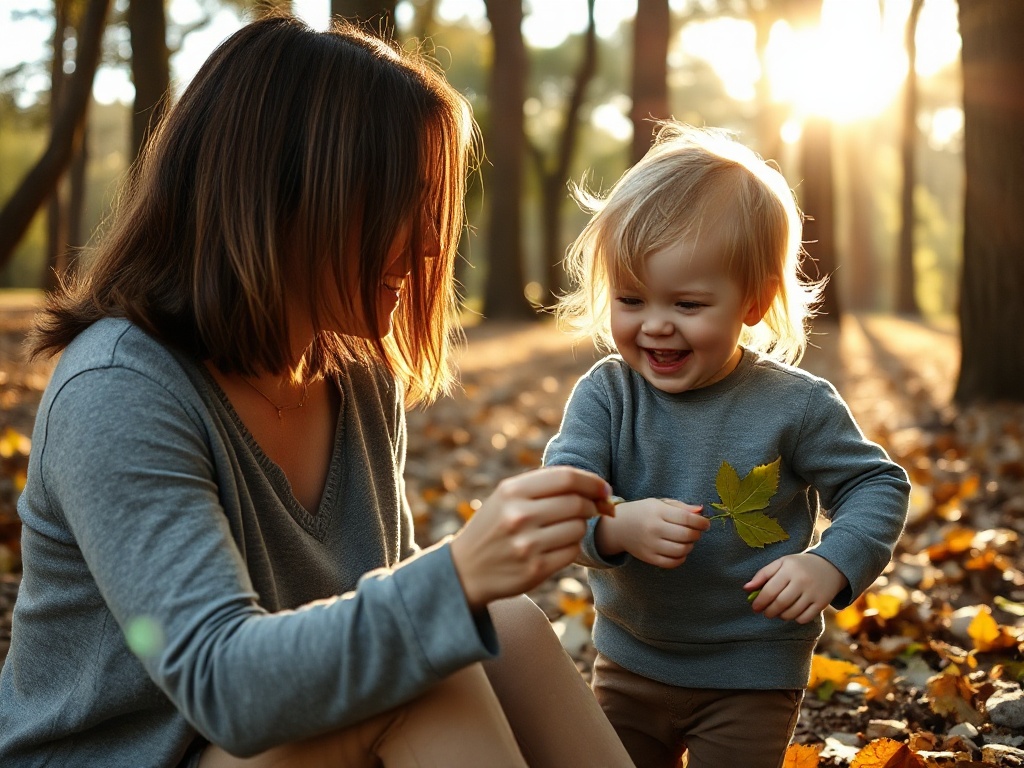
Furthermore, the impact of nature on children’s mental health cannot be overstated. More educators and parents are recognizing that time spent outdoors reduces stress and encourages physical activity, which is crucial for developing healthy habits. As we’ve learned through the Montessori method, allowing children the freedom to explore their surroundings can foster independence and resilience.
Focus on Emotional Intelligence through Play
An emerging trend from our conversations was the emphasis on emotional intelligence as a vital component of children’s play. Play Professional Raj spoke about how imaginative play allows children to express their feelings and learn empathy. “When they play roles, they step into different shoes. It’s a practice ground for understanding emotions, reactions, and social dynamics, which we’ll see as a central focus in the upcoming year,” he explained.
By encouraging scenarios in their play that include a range of emotions—from joy to frustration—children can learn to navigate their feelings more effectively. For instance, creating a “feelings corner” or role-play scenarios in classrooms can help facilitate conversations about emotions, ensuring children have the tools to express themselves and connect with others.

Technology as a Bridge to Learning
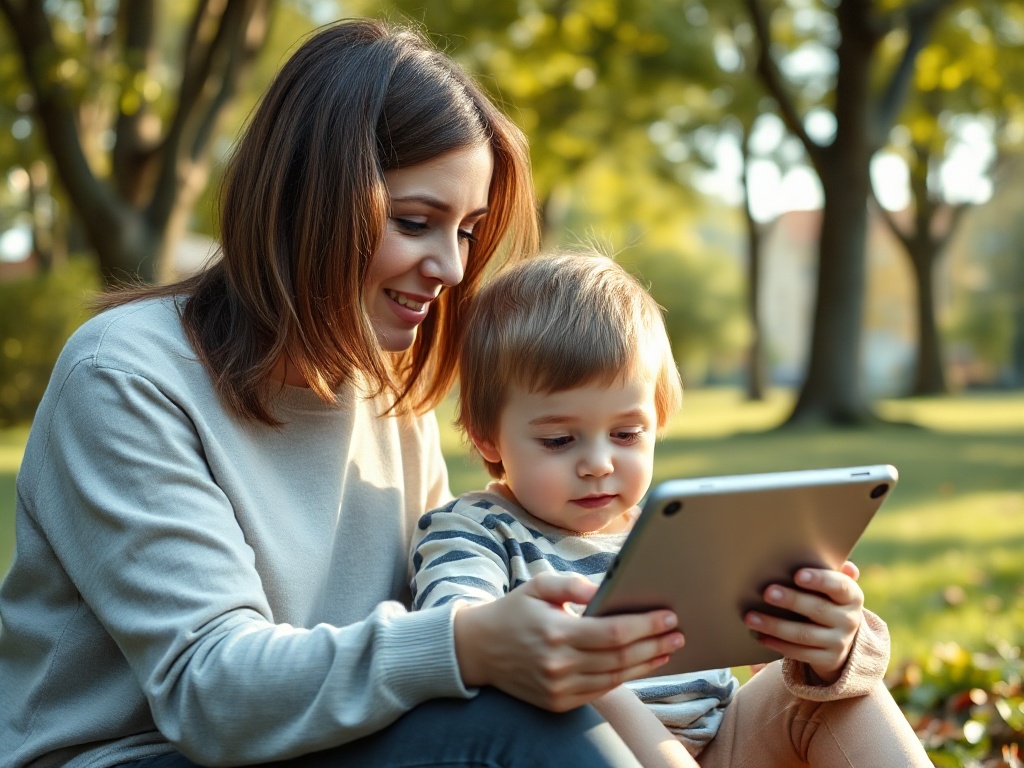
While there’s no doubt that too much screen time can be detrimental, Play Professionals suggested a balanced approach by harnessing technology thoughtfully. Sophia, another Play Expert, highlighted how innovative tech tools can enhance learning through interactive play. “Augmented reality apps that encourage outdoor exploration or programs that enhance storytelling can be amazing supplements. They create an engaging experience,” she noted.
As educators, we must help children navigate this digital landscape while ensuring it doesn’t replace fundamental skills learned through traditional play. It’s all about balance — using technology to augment learning without overshadowing personal interactions and tactile experiences. For instance, integrating storytelling apps with tradition-based storytelling can bridge the gap for children who thrive on digital engagement.
The Rise of Collaborative Play
No conversation about future trends in play would be complete without mentioning collaborative play. In our discussions, many Play Professionals emphasized the importance of cooperation in child development. Fred, a veteran in child psychology, stated, “Social skills are the foundation upon which children build their futures. Incorporating games and activities that require teamwork fosters a sense of belonging and teaches conflict resolution.”
Group activities that encourage children to work together—whether it’s solving a puzzle, building a community garden, or participating in team sports—will encourage crucial life skills they carry into adulthood. We must create environments where collaboration is not only encouraged but celebrated!
Inspiring Play with Cultural Diversity
Lastly, as our world continues to grow more interconnected, another highlighted trend is the infusion of cultural diversity into play. According to Play Professional Leila, culturally-themed toys and activities help children appreciate uniqueness. “When children engage with various cultural traditions through stories, music, or even arts and crafts, they learn to respect and celebrate differences from a young age,” she said.
Incorporating diverse narratives in play settings can transform children’s understanding of the world, expanding their horizons beyond their immediate environment. This trend offers a pathway for discussions on acceptance, cultural richness, and human connection.

Conclusion: A Year of Meaningful Play!
The insights gained from these conversations are promising and reflect an ongoing evolution in how we view children’s play. As a Montessori educator, my hope is to continue fostering these trends in my classroom and beyond. As we embark on this new year, let’s remember that play is a child’s natural medium for exploration, learning, and expression.
By supporting outdoor engagement, emotional intelligence, mindful use of technology, collaborative activities, and cultural awareness, we are not only nurturing the minds of future generations but also the compassionate and resilient individuals they will grow to be. Together, let’s create environments where meaningful play thrives!
From the Shopmader Community
Real voices. Real play. We value every parent’s honest journey.