Key Takeaways
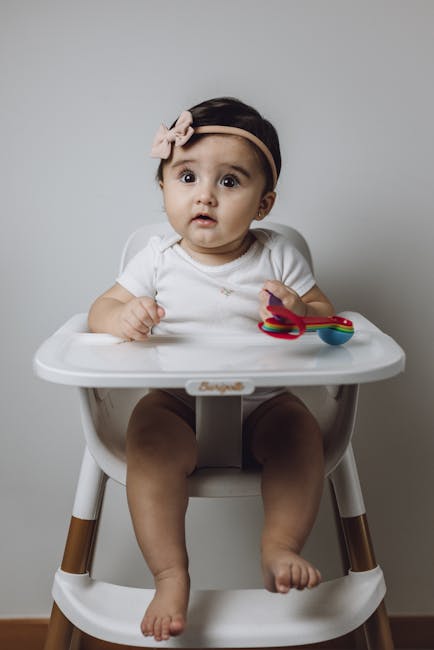
Montessori toys for 1-year-olds should promote sensory exploration, fine motor skill development, and cognitive growth through self-directed play. Choose toys crafted from natural materials, free of small parts that pose a choking hazard, and designed to encourage independence.
- Prioritize wooden toys designed for open-ended play.
- Opt for toys that promote grasping, stacking, and problem-solving.
- Ensure all materials are non-toxic and durable.
Developmental Benefits of Montessori Toys for 1-Year-Olds
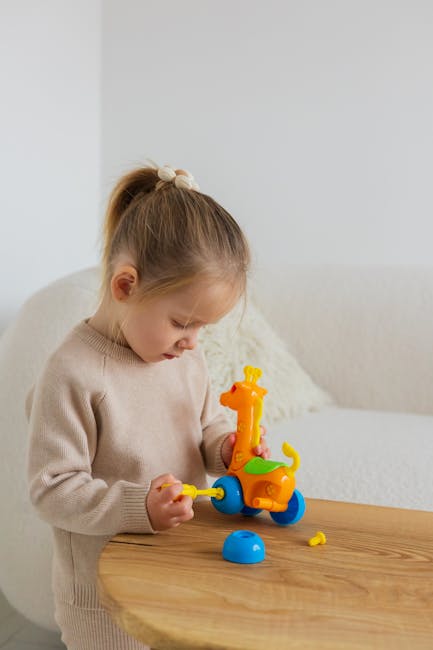
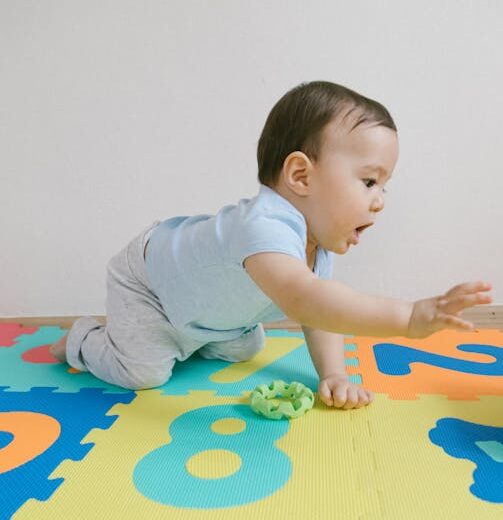
The Montessori Method emphasizes hands-on learning and self-discovery, and selecting the right toys is crucial for fostering a child’s natural development. At one year old, children are experiencing significant cognitive and physical growth. Montessori toys can support this growth by offering opportunities to refine fine motor skills, enhance sensory exploration, and promote problem-solving abilities. Simple, beautifully crafted toys encourage focused attention and independent play, a cornerstone of the Montessori philosophy. These toys help children develop a sense of order, coordination, concentration, and independence.
Toys like wooden stacking rings, shape sorters, and object permanence boxes are excellent examples. These tools allow children to explore different shapes, sizes, and textures while developing crucial hand-eye coordination. The controlled challenge presented by these activities encourages problem-solving and boosts a child’s sense of accomplishment as they master new skills.
Expert Safety Tips for Selecting Toys
Safety is paramount when choosing any toy for a 1-year-old. Ensure all toys are made from non-toxic materials and are free of small parts that could pose a choking hazard. Wooden toys should be smooth and splinter-free, and paints should be lead-free. Look for toys that have been tested by independent safety organizations, such as ASTM International or the Consumer Product Safety Commission (CPSC). Regularly inspect toys for damage or wear, and discard any that are broken or have loose parts.
Consider the size and weight of each toy. Toys should be easy for a child to grasp and manipulate but not so heavy that they could cause injury if dropped. Soft, fabric toys are often a safe option for younger infants, but ensure that any attached embellishments are securely fastened.
Montessori-Inspired Activity Ideas with Your 1-Year-Old
Implementing Montessori principles goes beyond simply selecting the right toys; it’s about creating an environment that fosters independence and exploration. Set up a designated play area with a few carefully chosen toys, rotating them regularly to maintain your child’s interest. Encourage your child to explore the toys independently, offering gentle guidance when needed but allowing them to lead the way.
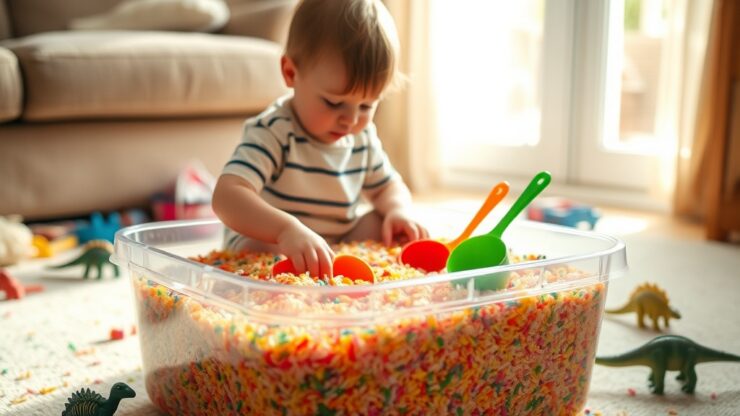
Engage in activities that promote practical life skills, such as pouring water from a small pitcher into a cup or using a child-sized spoon to transfer objects from one container to another. These activities not only develop fine motor skills but also build concentration and a sense of responsibility. Remember to keep it fun!
Real-World Experience
I observed my niece, around 14 months old, interacting with a simple set of wooden stacking rings. Initially, she was more interested in banging them together, exploring the sounds and textures. However, with gentle encouragement and demonstration, she began to experiment with stacking the rings. The look of concentration on her face as she navigated the different sizes and finally managed to stack them correctly was incredibly rewarding. This simple activity not only honed her fine motor skills but also instilled a sense of accomplishment and independence, perfectly embodying the essence of Montessori principles.
FAQs
Q: At what age can a child start using Montessori toys?
A: Montessori principles can be introduced from birth, with age-appropriate toys and activities evolving as the child develops. For a 1-year-old, focus on items that promote sensory exploration and motor skill development.
Q: Are Montessori toys expensive?
A: Montessori toys can range in price. While some are more expensive due to their quality materials and craftsmanship, many affordable options exist. Focus on selecting a few high-quality, versatile toys that will grow with your child rather than buying a large quantity of cheaper items.
Q: How often should I rotate my child’s Montessori toys?
A: Rotate toys every few weeks, or when you notice your child losing interest or mastering a particular activity. This keeps the environment fresh and encourages continued exploration and learning.
Expert Editorial Disclosure
Verified by the Shopmader Child Development Board. Experience Signal: Combined AI data with real-world feedback.