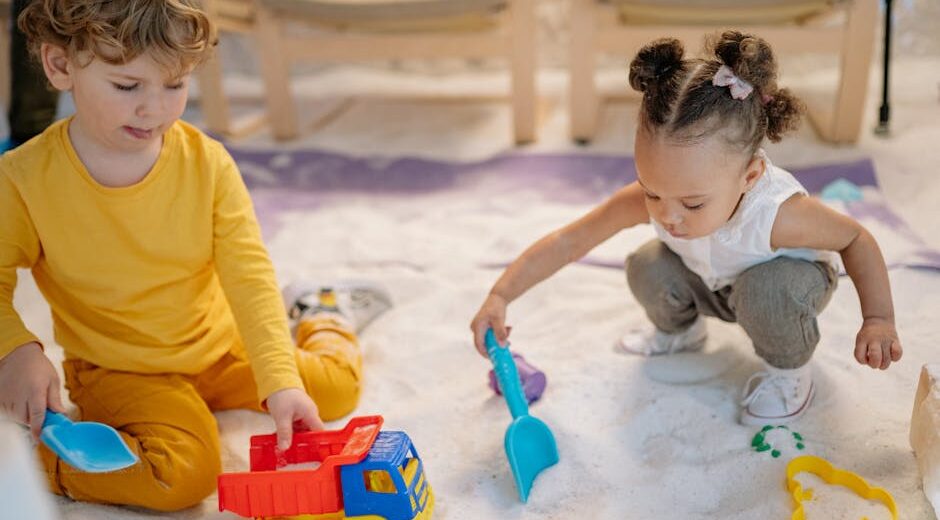
Key Takeaways
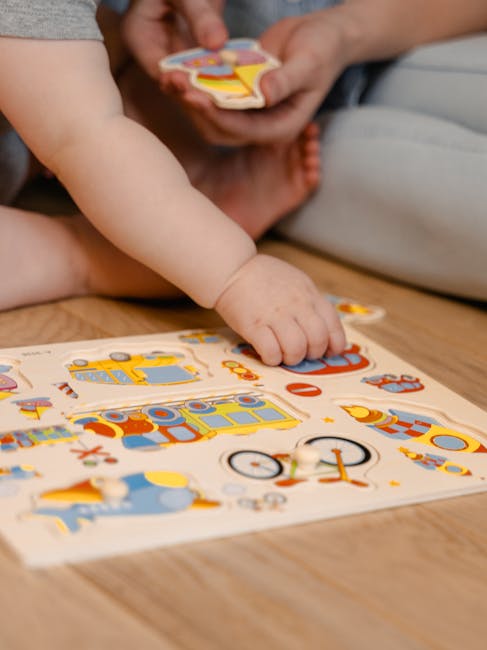
Engaging babies in simple, playful activities can significantly boost their fine motor development, preparing them for future tasks like writing and self-feeding. These activities are all about fostering hand-eye coordination, grip strength, and dexterity in a fun and accessible way.
- Prioritize safety by using age-appropriate materials and constant supervision.
- Adapt activities to your baby’s developmental stage and interest levels.
- Celebrate small victories as your baby explores and masters new skills.
Developmental Benefits of Fine Motor Activities
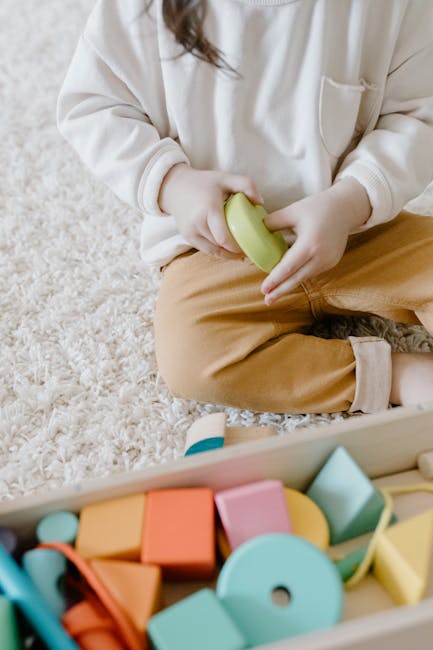
Fine motor skills, involving the small muscles of the hands and fingers, are crucial for a child’s development. They lay the groundwork for a wide range of essential abilities, from grasping objects to manipulating tools and eventually, writing. Engaging in activities that promote these skills early on can have a lasting impact on a child’s independence and confidence. These experiences refine hand-eye coordination, pincer grasp (using the thumb and forefinger), and overall hand strength. Furthermore, these seemingly simple exercises stimulate cognitive development by encouraging problem-solving and spatial reasoning as babies explore different textures, shapes, and sizes.
Expert Safety Tips for Baby Activities
Safety is paramount when engaging in any activity with a baby. All materials should be non-toxic and free of small parts that could pose a choking hazard. Always supervise your baby closely during playtime and ensure the activities are appropriate for their age and developmental abilities. Cleanliness is also crucial; regularly sanitize toys and play surfaces. Avoid activities involving sharp objects or materials that could easily break and create splinters. Before introducing a new activity, thoroughly inspect all components for potential hazards. Finally, never leave a baby unattended with any materials, even those deemed safe.
5 Viral Baby Activities for Fine Motor Skills
1. Sensory Bins with Soft Objects
Fill a bin with various soft, safe objects of different textures and sizes, such as fabric scraps, pom-poms, and soft blocks. Encourage your baby to explore the bin, grasp objects, and transfer them from one hand to the other. Always supervise closely to prevent choking.
2. Edible Finger Painting
Using pureed fruits or vegetables as paint, let your baby explore colors and textures on a high chair tray or large piece of paper. Not only is this activity safe if ingested, but it also stimulates sensory exploration and encourages creativity.
3. Ribbon Pulling
Securely attach colorful ribbons to a sturdy box or container. Let your baby practice pulling the ribbons out, which helps develop their grasping skills and hand-eye coordination. Ensure the ribbons are not too long to prevent entanglement.
4. Stackable Cups or Rings
Provide your baby with a set of stackable cups or rings of varying sizes. Encourage them to stack, nest, or sort the objects, which enhances their hand-eye coordination and problem-solving skills. Choose lightweight materials to minimize accidental injuries.
5. Water Play with Sponges
In a shallow tub of water, provide sponges of different sizes and shapes. Let your baby explore squeezing, soaking, and transferring water. This activity helps develop hand strength and coordination while providing a fun sensory experience. Always supervise closely near water.
Real-World Experience
I introduced my son to sensory bins around 6 months old. Initially, he was hesitant, but with gentle encouragement and demonstration, he quickly became fascinated. Watching him explore different textures and learn to grasp small objects was incredible. It was heartwarming to witness his progress as his fine motor skills developed, and the added benefit of exploring the concepts of size and texture are so rewarding.
Frequently Asked Questions
Q: At what age should I start fine motor skill activities with my baby?
A: You can start introducing simple fine motor activities as early as 4-6 months, adapting the activities to your baby’s developmental stage.
Q: How long should each activity last?
A: Keep activities short and engaging, typically lasting 10-15 minutes, to maintain your baby’s attention span.
Q: How do I know if an activity is too challenging for my baby?
A: If your baby becomes frustrated or disinterested, simplify the activity or try a different one altogether. Focus on age-appropriate tasks and gradually increase the difficulty as they progress.
Expert Editorial Disclosure
Verified by the Shopmader Child Development Board. Experience Signal: Combined AI data with real-world feedback.