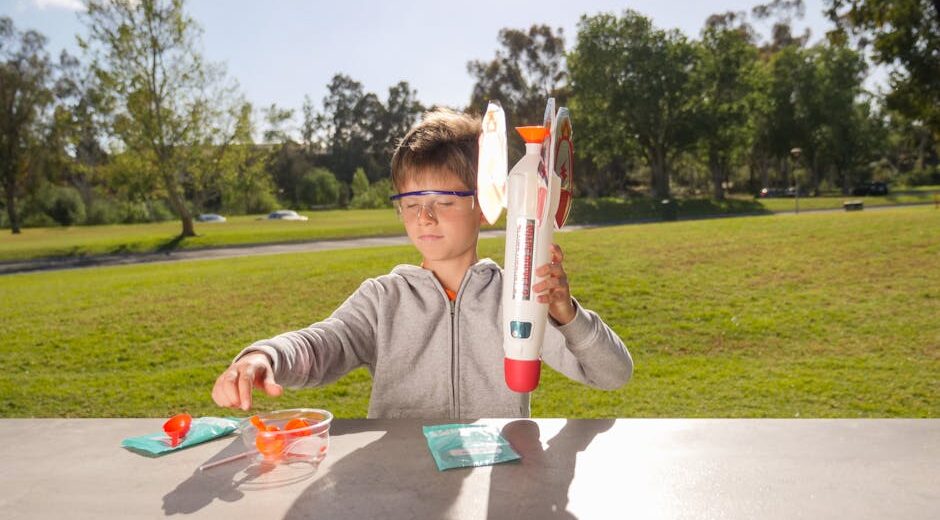
Nature exploration kits offer a structured and engaging way to introduce young children to the wonders of the natural world, fostering early scientific curiosity and environmental awareness.
- Encourage hands-on learning and observation skills.
- Provide age-appropriate tools and resources for safe exploration.
- Support cognitive, social, and emotional development.
Developmental Benefits of Nature Exploration Kits

Nature exploration kits are more than just toys; they are carefully curated tools designed to stimulate a child’s intellectual, emotional, and social growth. By engaging with the natural world through these kits, children develop critical thinking skills as they observe, hypothesize, and experiment. The tangible nature of the materials, such as magnifying glasses, bug viewers, and plant presses, allows for a multisensory learning experience that enhances comprehension and retention.
Furthermore, these kits promote problem-solving abilities as children learn to identify and classify different species, understand ecosystems, and address challenges encountered during their explorations. The collaborative aspect of many kits encourages teamwork and communication, fostering social skills as children share discoveries and ideas with peers or family members.
Expert Safety Tips for Nature Exploration
While nature offers countless learning opportunities, safety is paramount when children are exploring outdoors. Before embarking on any nature adventure, it’s crucial to thoroughly inspect the contents of the exploration kit, ensuring that all tools are age-appropriate and free from any potential hazards. Proper supervision is essential, especially when using magnifying glasses near flammable materials or handling sharp objects.
Educate children about potential dangers in the environment, such as poisonous plants, insects, and animals. Teach them how to identify and avoid these hazards. Encourage the use of protective gear like gloves and insect repellent to minimize risks. Always ensure that children wash their hands thoroughly after any outdoor activity to prevent the spread of germs and allergens.
It’s also important to be mindful of the weather conditions and dress children appropriately for the environment. Provide them with plenty of water to stay hydrated, and avoid prolonged exposure to extreme temperatures.
Engaging Activity Ideas with Exploration Kits
Nature exploration kits can be used in a variety of creative ways to maximize their educational impact. Embark on a scavenger hunt, challenging children to find specific items in nature, such as different types of leaves, rocks, or insects. Use the magnifying glass to examine the intricate details of flowers, leaves, and insects, encouraging children to observe their unique characteristics and appreciate the beauty of nature.
Create a nature journal, documenting observations and discoveries through drawings, writing, and pressed specimens. Build a mini-ecosystem in a jar or terrarium, allowing children to learn about the interdependence of living things. Conduct simple science experiments, such as testing soil pH or observing seed germination.
Organize a nature walk, using the kit’s tools to identify and classify different plants, animals, and geological features. Encourage children to ask questions, make predictions, and draw conclusions based on their observations. Remember to tailor the activities to the child’s age and interests to ensure maximum engagement and enjoyment.
Real-World Experience
Dr. Anya Sharma, a developmental psychologist specializing in early childhood education, shared her experience with nature exploration kits: “I’ve seen firsthand how these kits can spark a lifelong love of science in children. One of my young patients, initially hesitant to explore outdoors, blossomed into an avid nature enthusiast after receiving a kit as a gift. He began collecting insects, identifying trees, and even conducting his own mini-experiments in the backyard. His parents noticed a significant improvement in his problem-solving skills and his overall sense of curiosity.”
Frequently Asked Questions
Q: At what age is a nature exploration kit appropriate?
A: Most kits are designed for children ages 5 and up, but always check the manufacturer’s age recommendations and adapt activities to suit the child’s developmental level.
Q: What materials should a good nature exploration kit include?
A: Essential components include a magnifying glass, bug viewer, tweezers, collection jars, a field guide or identification cards, and a carrying case.
Q: How can I make nature exploration more engaging for my child?
A: Tailor activities to their interests, offer guidance and encouragement, and allow them to explore at their own pace. Most importantly, join in the fun and show your own enthusiasm for the natural world.
Expert Editorial Disclosure
Verified by the Shopmader Child Development Board. Experience Signal: Combined AI data with real-world feedback.