The Best Montessori Toys for 2-Year-Olds: Fostering Independence & Learning
Key Takeaways:
2. Practical Life Activities: Engaging with the Real World
Montessori emphasizes practical life skills. Consider these activities which can be easily translated into toy form:
- Pouring Activities: Provide small pitchers and containers with dried beans or rice for pouring practice. This helps develop hand control and coordination.
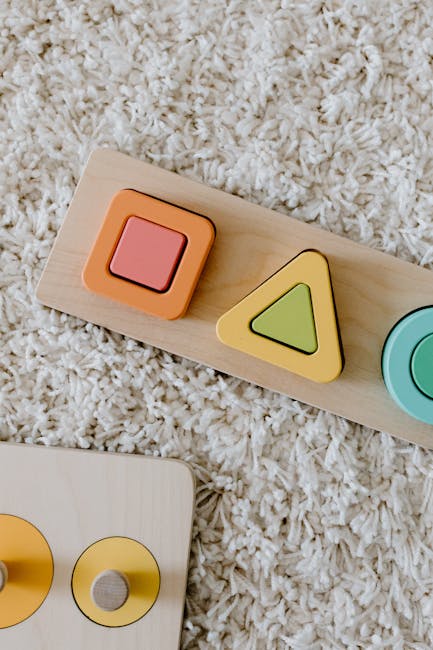
- Sorting Activities: Use colored blocks, beads, or small toys for sorting by color, shape, or size. This introduces early math concepts and develops visual discrimination.
- Cleaning Activities: A child-sized broom, mop, and dustpan allow children to participate in household chores and develop a sense of responsibility.
3. Puzzles: A Gateway to Spatial Reasoning
Simple knob puzzles with large, easy-to-grasp pieces are ideal for 2-year-olds. Opt for puzzles featuring familiar objects or animals. These puzzles improve hand-eye coordination, spatial awareness, and problem-solving skills. Progress to puzzles with smaller pieces as their skills improve.

4. Sensory Bins: Exploring Textures and Materials
Sensory bins filled with materials like dried pasta, rice, beans, or water beads offer a rich sensory experience. Provide scoops, cups, and small containers for scooping, pouring, and exploring different textures. Always supervise children closely when using sensory bins to prevent choking hazards.
5. Musical Instruments: Expressing Creativity and Rhythm
Simple musical instruments like xylophones, drums, and tambourines encourage creativity, rhythm, and self-expression. Look for instruments made from natural materials like wood and with clear, pleasing sounds.

Tips for Introducing Montessori Toys:
- Introduce one toy at a time: Avoid overwhelming your child with too many choices.
- Demonstrate the proper use of the toy: Show your child how to use the toy and then allow them to explore independently.
- Rotate toys regularly: Keep your child engaged by rotating the toys every few weeks. Store the out-of-rotation toys in a closet or another room and bring them back later.
- Create a prepared environment: Organize the toys in a way that is accessible and inviting to your child. Use low shelves or baskets to store the toys.
- Observe your child: Pay attention to your child’s interests and developmental needs and choose toys that are appropriate for their age and abilities.
The Long-Term Benefits:
Investing in Montessori toys for your 2-year-old is an investment in their future development. These toys provide a foundation for lifelong learning by fostering independence, concentration, problem-solving skills, and a love of exploration. As your child grows, they will continue to benefit from the skills they learned through playing with Montessori-aligned toys.