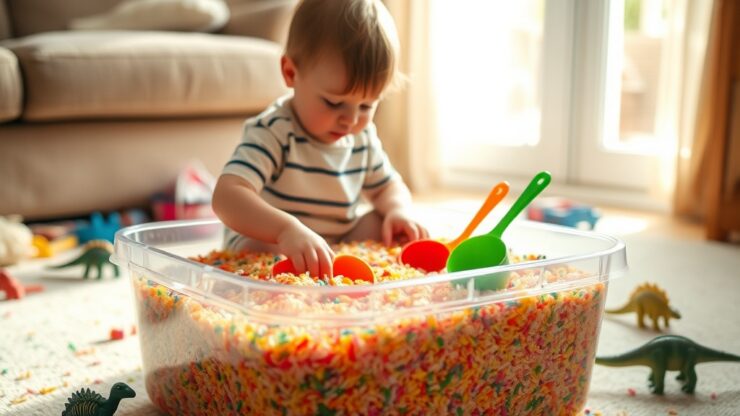
Montessori toys support independence and practical life skills in two-year-olds. Look for toys that encourage fine motor development, problem-solving, and sensory exploration.
- Prioritize toys made from natural materials.
- Choose toys that offer open-ended play opportunities.
- Observe your child’s interests to guide your selections.
Developmental Benefits of Montessori Toys for Two-Year-Olds
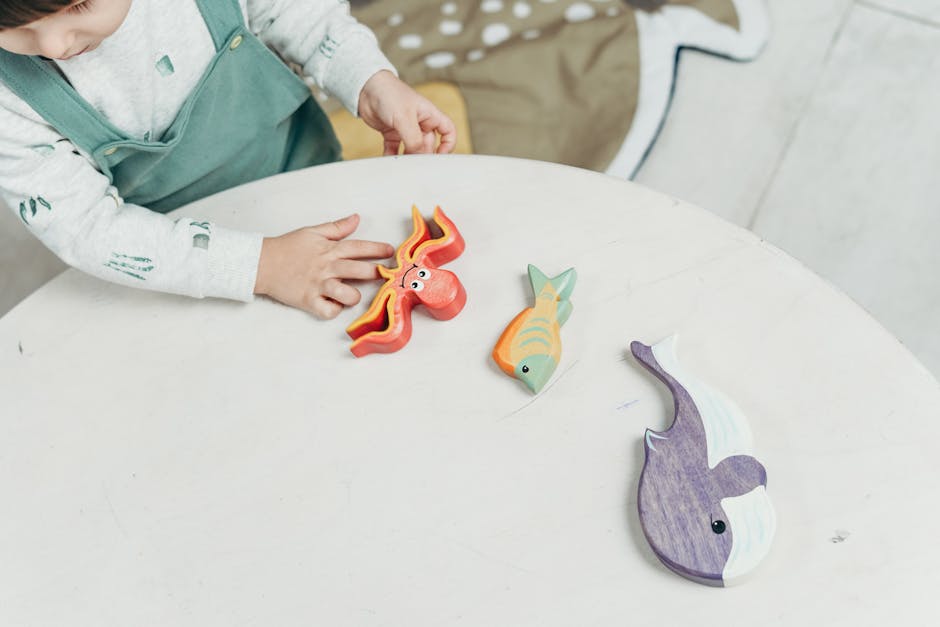
At two years old, children are rapidly developing their cognitive, motor, and social skills. Montessori toys are designed to support these developmental milestones through hands-on learning experiences. They encourage independence by allowing children to explore materials and activities at their own pace.
Montessori toys often focus on practical life skills, such as pouring, scooping, and transferring, which help children develop fine motor control and coordination. Materials like stacking rings, shape sorters, and puzzles promote problem-solving and spatial reasoning abilities. Sensory-rich materials, such as wooden blocks, fabric swatches, and natural objects, stimulate the senses and enhance learning through exploration.
Selecting Developmentally Appropriate Toys
When selecting Montessori toys for a two-year-old, consider the child’s individual developmental needs and interests. Look for toys that provide challenge without being overly frustrating. Toys that encourage creativity and imaginative play are also valuable at this age.
Expert Safety Tips for Montessori Toy Selection
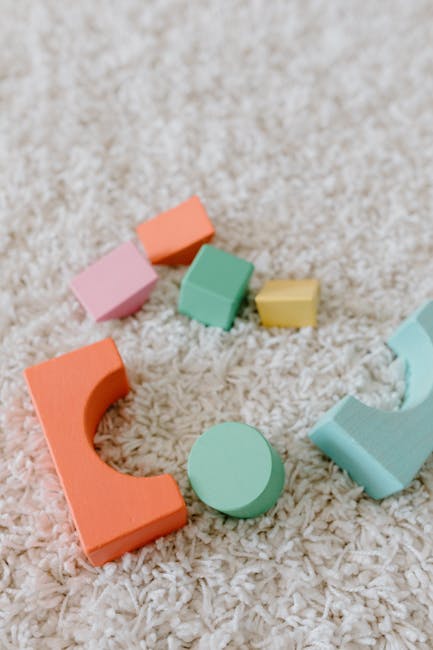
Safety is paramount when choosing toys for young children. Montessori toys are often made from natural materials, but it’s crucial to ensure they are non-toxic and free from small parts that could pose a choking hazard. Inspect toys regularly for any signs of damage or wear, and replace them as needed.
Prioritize toys that are made from sustainably sourced materials and finished with non-toxic paints or stains. Avoid toys that contain phthalates, BPA, or other harmful chemicals. Choose toys that are durable and can withstand the rigors of toddler play. Provide a safe and supervised environment for children to play with their toys.
Activity Ideas Using Montessori Principles
Montessori principles can be incorporated into everyday activities using simple materials. Provide your child with opportunities to practice practical life skills, such as setting the table, washing hands, or dressing themselves. Offer a variety of sensory materials, such as playdough, sand, or water, for exploration and experimentation. Encourage open-ended play with blocks, dolls, or other imaginative toys.
Create a dedicated space for learning and play that is organized and accessible. Rotate toys regularly to keep them fresh and engaging. Observe your child’s interests and adjust the activities accordingly. Remember that the goal is to foster independence and a love of learning through hands-on experiences.
Real-World Experience
I observed my niece, Amelia, at 2 years old, completely engrossed in a simple task – transferring dried beans from one bowl to another using a small spoon. The concentration on her face, the careful control of her hand movements – it was a beautiful illustration of how a seemingly simple activity could provide immense learning opportunities. This simple bean-transferring exercise honed her fine motor skills, aided in developing her focus, and gave her a sense of accomplishment through completing a task. It perfectly exemplified the beauty and efficacy of Montessori principles in action.
Frequently Asked Questions
Q: What are the key characteristics of a good Montessori toy for a two-year-old?
A: A good Montessori toy for this age should be made from natural materials, promote independent play, and encourage development of practical life skills and fine motor abilities.
Q: How do I introduce Montessori toys to my child?
A: Introduce toys one at a time in a calm and uncluttered environment. Demonstrate the proper use of the toy and then allow your child to explore it independently.
Q: Where can I find high-quality Montessori toys?
A: Look for reputable brands that specialize in Montessori materials. Consider factors such as safety, durability, and educational value when making your selection.
Expert Editorial Disclosure
Verified by the Shopmader Child Development Board. Experience Signal: Combined AI data with real-world feedback.
💖 SHARE WITH OTHER PARENTS