Aldi’s sensory packs offer affordable and engaging tools for supporting children’s sensory exploration and development. These packs can be a valuable resource for parents and educators looking to enhance learning through play, but always prioritize safety and age-appropriateness.
- Encourage tactile exploration.
- Supervise children closely during use.
- Adapt activities for unique developmental needs.
Developmental Benefits of Sensory Play
Sensory play is crucial for children’s cognitive, social-emotional, and physical development. Engaging with different textures, sounds, sights, smells, and tastes helps children build neural pathways in the brain. These pathways are foundational for learning and problem-solving skills later in life. Aldi’s sensory packs, with their variety of materials, provide ample opportunities for this type of exploration.
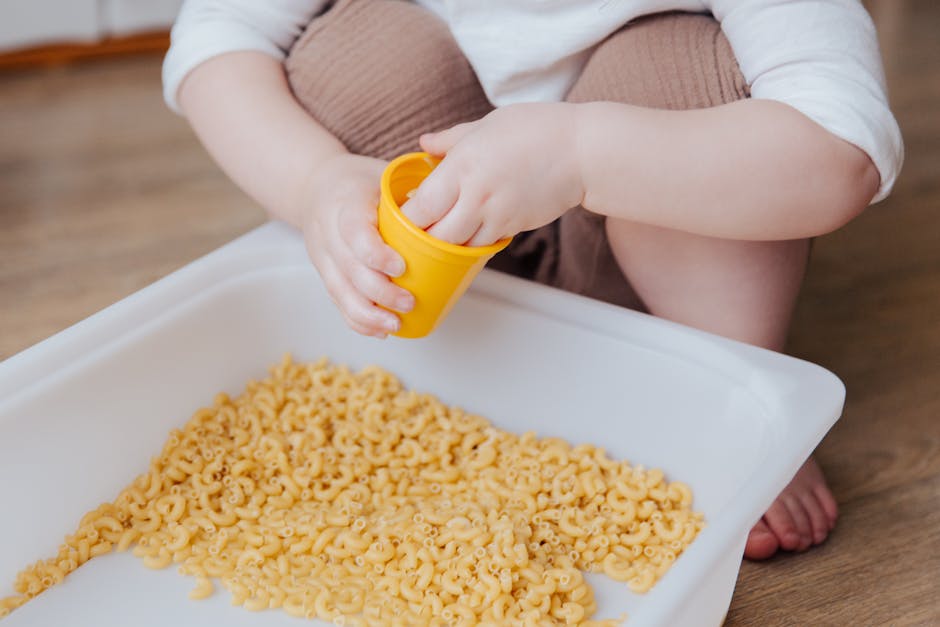
Tactile exploration, in particular, supports fine motor skill development. Manipulating small objects strengthens hand muscles and improves dexterity, preparing children for tasks like writing and using utensils. Moreover, sensory play promotes self-regulation. By engaging in calming sensory activities, children learn to manage their emotions and cope with stress. Sensory input can be especially beneficial for children with sensory processing sensitivities.
Expert Safety Tips for Using Sensory Packs
While sensory packs offer many developmental benefits, safety is paramount. Always supervise children closely during sensory play to prevent choking hazards or accidental ingestion of small parts. Check the recommended age range on the packaging and ensure the pack is appropriate for your child’s developmental stage. Examine the contents for any sharp edges or potential allergens before each use.
Establish clear rules about what is allowed during sensory play. For example, teach children not to put materials in their mouths, noses, or ears. Regularly clean and sanitize sensory materials to prevent the spread of germs. If any materials are damaged or broken, discard them immediately. Consider your child’s individual sensory needs and sensitivities when selecting and using sensory materials. Some children may be overwhelmed by certain textures or smells, so introduce new materials gradually.
Activity Ideas with Aldi’s Sensory Packs
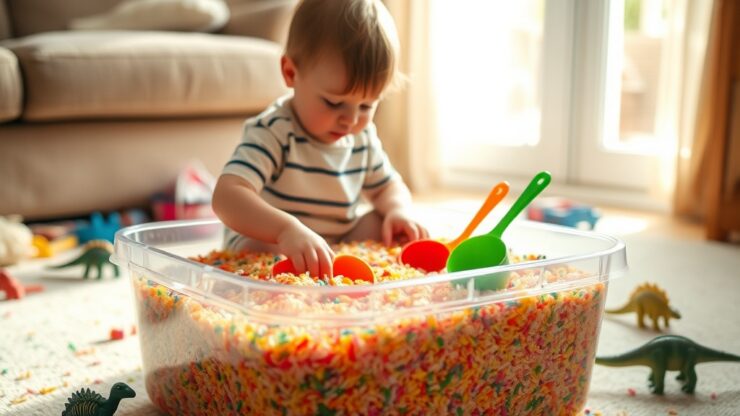
Aldi’s sensory packs can be used in a variety of creative and engaging activities. For instance, create a sensory bin filled with rice, beans, or pasta, and add small toys, scoops, and containers for children to explore. Use playdough or modeling clay to encourage children to create different shapes and designs. Provide tools like rolling pins, cookie cutters, and stamps to enhance the experience.
For visual stimulation, use colored water beads or light-up toys. Create a calming jar with glitter and water to help children relax and focus. Play sensory matching games by having children match different textures or objects while blindfolded. Adapt activities to suit your child’s interests and abilities. The possibilities are endless!
Real-World Experience
As a parent of a neurodivergent child, I’ve found Aldi’s sensory packs to be surprisingly useful. My daughter, who has sensory processing differences, often struggles with transitions and loud noises. The calming putty and textured balls in the packs have become invaluable tools for helping her regulate her emotions during stressful times. While I always prioritize supervision, the affordable price point allows me to experiment with different materials to find what works best for her without breaking the bank. It’s crucial to remember that every child is unique, and what works for one may not work for another, so patience and observation are key.
Frequently Asked Questions (FAQs)
Q: Are Aldi’s sensory packs safe for toddlers?
A: Safety depends on the specific contents of the pack and the individual child’s developmental stage. Always check the age recommendations on the packaging and supervise toddlers closely to prevent choking hazards.
Q: How often should I replace the materials in a sensory pack?
A: The frequency of replacement depends on the materials and how frequently they are used. Replace materials that are damaged, soiled, or no longer engaging for the child. Some items, like playdough, may need replacement more often than others.
Q: Can sensory packs help children with autism?
A: Sensory packs can be beneficial for some children with autism by providing opportunities for sensory exploration and regulation. However, it is important to consult with a healthcare professional or therapist to determine the appropriate materials and activities for each individual child’s needs.