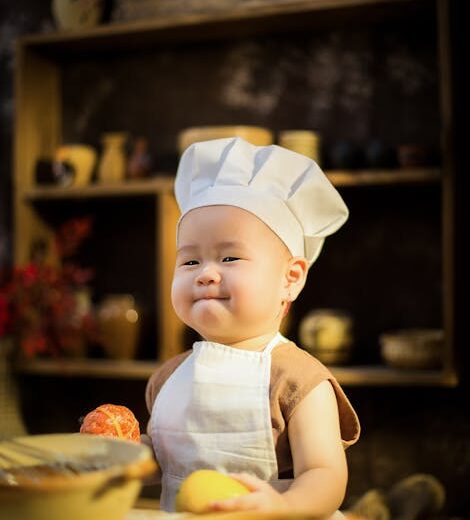
Chef Cooking Kits for Toddler Kitchens: The 2026 Essential Guide for Modern Parenting

Chef Cooking Kits for Toddler Kitchens: A Recipe for Fun and Learning

Chef Cooking Kits for Toddler Kitchens: A Recipe for Fun and Learning

Key Takeaways:

  • Chef cooking kits provide a stimulating and imaginative play experience for toddlers.
  • These kits foster crucial developmental skills, including fine motor skills, hand-eye coordination, and problem-solving abilities.
  • Cooking-themed play encourages creativity, language development, and social interaction.
  • Choosing age-appropriate and safe kits is essential for a positive and enriching play experience.
  • These kits can serve as a stepping stone for introducing real cooking experiences and healthy eating habits.

The world of toddler play kitchens has expanded beyond simple plastic pots and pans. Today, parents seeking engaging and educational toys are turning to chef cooking kits designed specifically for little hands. These kits offer a fantastic way to spark creativity, develop essential skills, and introduce the foundations of cooking in a safe and playful environment. But with so many options available, how do you choose the right one for your child?

The Appeal of Toddler Chef Kits
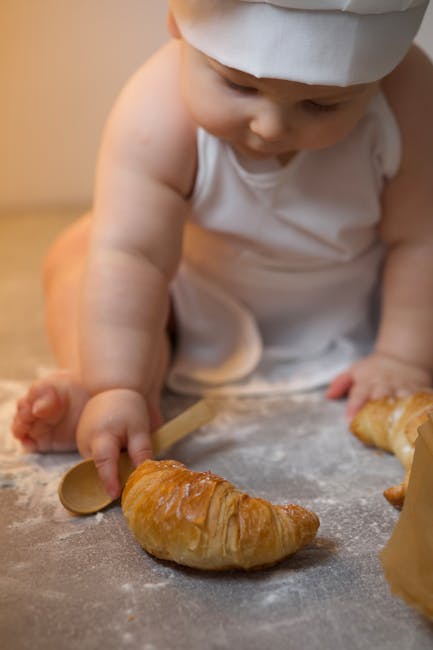
Close-up of various play kitchen utensils, including pots, pans, and wooden spoons. width=400>” style=”width:100%;height:auto;border-radius:15px;margin:30px 0;”>

 
  <p>Toddlers are naturally drawn to mimicking the activities they see adults doing. Cooking is no exception. A chef cooking kit allows them to emulate their parents or caregivers in the kitchen, fostering a sense of independence and accomplishment. These kits transform playtime into a culinary adventure, where they can experiment with ingredients (pretend, of course!) and create their own masterpieces.</p>
 
  <p>The benefits extend far beyond simple entertainment. Chef cooking kits offer a wealth of developmental opportunities:</p>
 
  <ul>
  <li><b>Fine Motor Skills:</b> Manipulating small utensils, stirring imaginary ingredients, and decorating pretend treats all contribute to developing fine motor skills and hand-eye coordination.</li>
  <li><b>Cognitive Development:</b> Following recipe cards (even if they’re just for show), problem-solving when things “go wrong,” and understanding cause and effect are all cognitive exercises that enrich playtime.</li>
  <li><b>Language Development:</b> Naming ingredients, describing cooking processes, and engaging in pretend conversations with their “customers” expands vocabulary and communication skills.</li>
  <li><b>Social-Emotional Development:</b> Sharing pretend food with siblings or friends encourages cooperation and social interaction. Taking on the role of a chef builds confidence and self-esteem.</li>
  </ul>
 
  <img decoding=

Choosing the Right Kit: Safety and Age-Appropriateness
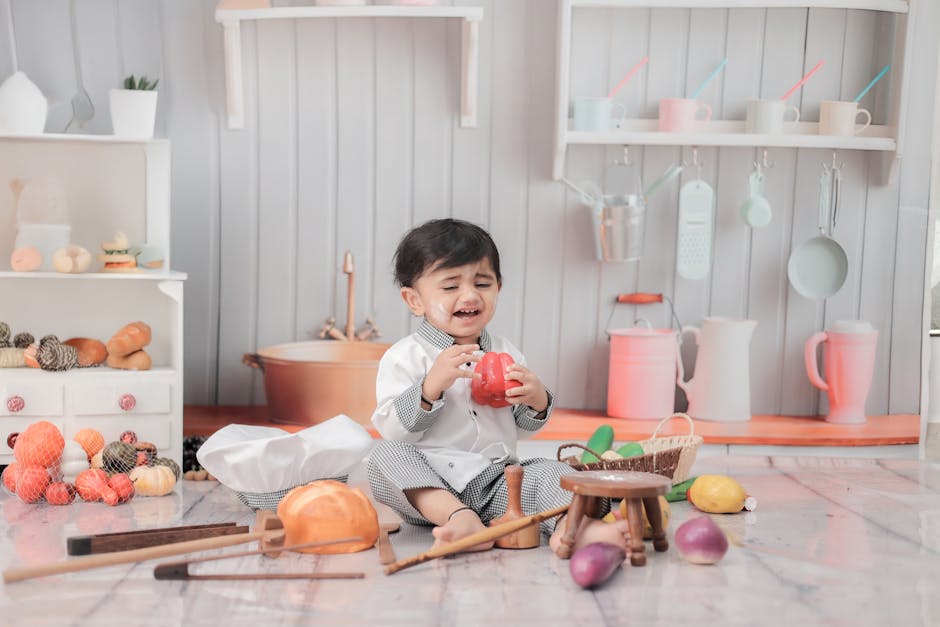
Toddler and parent engaging in a real cooking activity together in a kitchen. width=400>” style=”width:100%;height:auto;border-radius:15px;margin:30px 0;”>

 
  <p>The key to a successful toddler cooking kit experience lies in selecting a kit that is both safe and age-appropriate. When choosing a kit, consider the following:</p>
 
  <ul>
  <li><b>Material Safety:</b> Opt for kits made from non-toxic, BPA-free materials. Avoid kits with small parts or pieces that could pose a choking hazard.</li>
  <li><b>Durability:</b> Toddlers can be notoriously rough with their toys. Choose a kit made from durable materials that can withstand energetic play.</li>
  <li><b>Age Recommendations:</b> Always adhere to the manufacturer’s age recommendations. Kits designed for older children may contain small parts or components that are not suitable for toddlers.</li>
  <li><b>Realistic vs. Cartoonish:</b> Consider your child’s preferences. Some toddlers may enjoy realistic-looking tools and ingredients, while others may prefer brightly colored, cartoonish designs.</li>
  </ul>
 
  <p>Look for kits that include essential cooking tools like pots, pans, spatulas, mixing spoons, and measuring cups. Some kits include play food items like fruits, vegetables, and baked goods. Consider kits with recipe cards or cookbooks designed for toddlers, which can inspire creativity and encourage imaginative play. Fabric chef hats and aprons add to the immersive experience.</p>
 
  <img decoding=

Extending the Play: Beyond the Kit

A chef cooking kit can be a springboard for even more enriching activities. Here are a few ways to extend the play:

  • Introduce Real Cooking Experiences: As your child gets older, involve them in simple cooking tasks in the real kitchen. Start with tasks like washing vegetables, stirring ingredients, or decorating cookies.
  • Teach About Healthy Eating: Use the play kitchen as an opportunity to teach your child about healthy eating habits. Discuss the different food groups and the importance of a balanced diet.
  • Create a Restaurant: Encourage your child to set up a “restaurant” and serve their creations to family and friends. This encourages social interaction and imaginative play.
ALT TEXT 3: Toddler and parent engaging in a real cooking activity together in a kitchen.

Conclusion

Chef cooking kits for toddler kitchens are more than just toys; they are tools for learning, development, and creative expression. By carefully selecting a safe and age-appropriate kit, you can provide your child with hours of enriching and imaginative play. These kits lay the foundation for a lifelong love of cooking and healthy eating habits, all while fostering essential developmental skills. So, roll up your sleeves, put on your chef’s hat, and get ready for a culinary adventure with your little one!

Leave a Comment —

Your email address will not be published. Required fields are marked