Key Takeaways
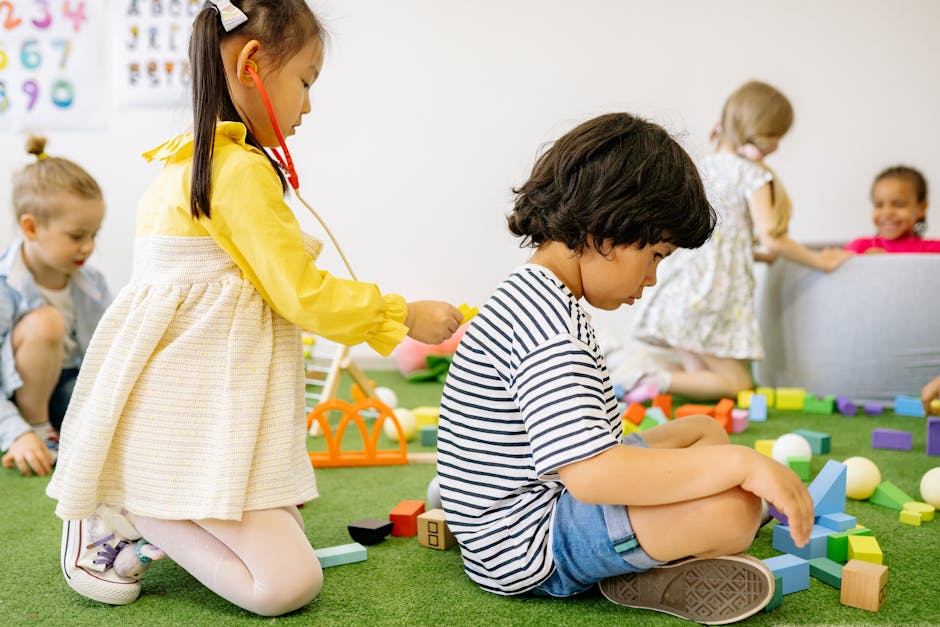
Spring preschool kits offer a curated approach to early childhood development, fostering essential skills through engaging activities. These kits provide convenient, age-appropriate materials and ideas designed to make learning fun and enriching for preschoolers.
- Enhance fine motor skills and creativity.
- Promote cognitive development and problem-solving.
- Provide convenient, ready-to-use learning resources.
Developmental Benefits of Spring-Themed Kits

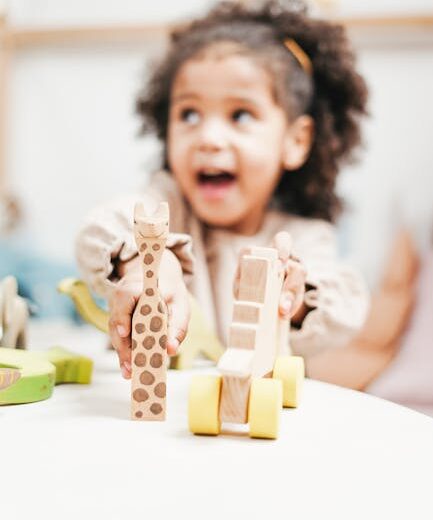
Spring-themed preschool kits are carefully designed to support crucial developmental milestones in young children. The activities included often focus on enhancing fine motor skills through tasks like planting seeds, creating crafts with small objects, and manipulating playdough to shape animals. These actions strengthen hand-eye coordination and dexterity, preparing children for writing and other essential tasks.
Creativity is also heavily emphasized, with opportunities for children to express themselves through painting, drawing, and imaginative play scenarios centered around spring themes like gardens, insects, and blooming flowers. These creative outlets allow children to explore their imagination, develop self-expression, and build confidence.
Beyond the immediate skills fostered through the activities, spring kits also support cognitive development. Many kits include puzzles, sorting games, and counting activities that encourage problem-solving, critical thinking, and mathematical reasoning. These skills are foundational for future academic success and the ability to approach challenges with confidence.
Expert Safety Tips for Spring Preschool Activities
Safety is paramount when engaging young children with any preschool kit. Before starting any activity, it’s important to carefully review the kit’s contents and ensure that all materials are age-appropriate and non-toxic. Small parts should be kept out of reach of children who still tend to put things in their mouths, and close supervision is always recommended.
When working with paints, glues, or other art supplies, ensure proper ventilation and follow the manufacturer’s instructions for safe usage. Encourage children to wash their hands thoroughly after completing each activity to prevent the spread of germs and remove any potential irritants from their skin.
If the spring kit includes outdoor activities, such as planting seeds, take precautions to protect children from sun exposure. Apply sunscreen liberally, provide hats, and encourage them to stay hydrated. Be mindful of potential allergens in the environment, such as pollen or insect stings, and have appropriate remedies on hand if needed.
Activity Ideas to Maximize Learning
To get the most out of a spring preschool kit, consider incorporating some extended learning opportunities around the provided activities. If the kit includes a seed-planting activity, discuss the life cycle of a plant and create a simple chart to track its growth. This helps children understand scientific concepts and develop observation skills.
For arts and crafts projects, encourage children to tell a story about their creation. This promotes language development, narrative skills, and the ability to express their thoughts and ideas. Ask open-ended questions to stimulate their imagination and encourage them to think critically about their artistic choices.
Incorporate sensory play into the activities by adding textures like sand, water, or natural materials like leaves and flowers. This enhances the learning experience by engaging multiple senses and allowing children to explore the world around them in a tactile and stimulating way.
Real-World Experience
As a parent, I’ve witnessed firsthand the impact a well-designed spring preschool kit can have on a child’s development. My daughter, initially hesitant to engage in structured activities, became completely captivated by a kit centered around creating a miniature butterfly garden. The process of planting the seeds, watering them, and watching them sprout sparked her curiosity about nature and fostered a sense of responsibility as she cared for her little garden. The kit provided a screen-free alternative that kept her engaged for hours, while secretly developing critical skills.
FAQs
Q: What age range are spring preschool kits suitable for?
A: Most spring preschool kits are designed for children ages 3-5, aligning with typical preschool curricula and developmental milestones. However, always check the specific age recommendations on the product packaging.
Q: Are the materials in the kits non-toxic and safe for children?
A: Reputable spring preschool kits prioritize safety. Look for kits that explicitly state their materials are non-toxic and have undergone safety testing. Always supervise children during activities.
Q: How do spring preschool kits benefit my child’s development?
A: These kits enhance fine motor skills, creativity, cognitive development, and problem-solving abilities through age-appropriate, engaging activities that are conveniently packaged and ready to use.
Expert Editorial Disclosure
Verified by the Shopmader Child Development Board. Experience Signal: Combined AI data with real-world feedback.
💖 SHARE WITH OTHER PARENTS