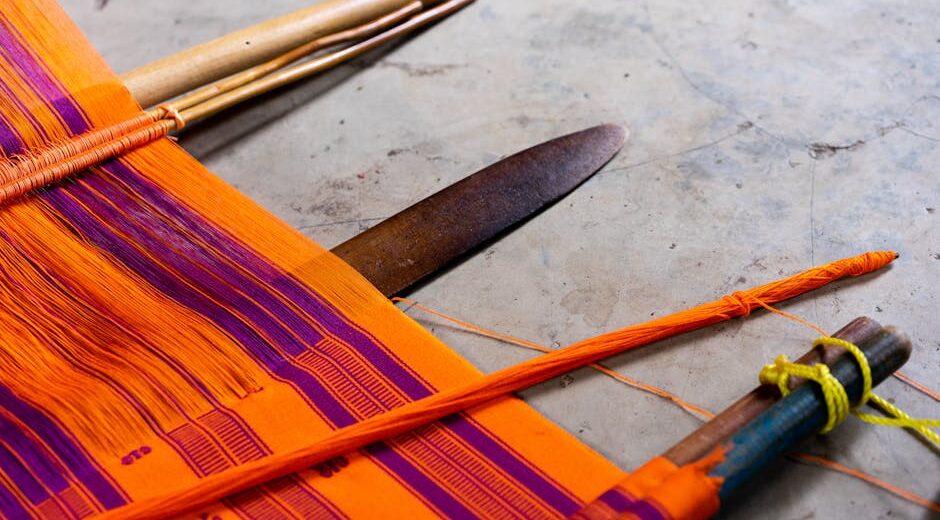
Key Takeaways
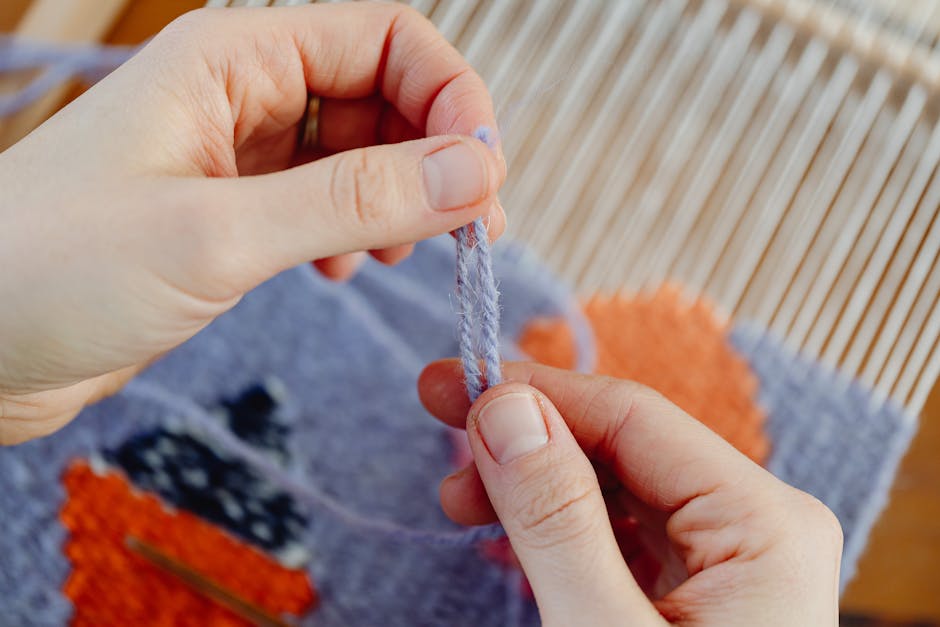
Knitting and weaving loom kits offer significant developmental benefits for children, enhancing fine motor skills, concentration, and creative expression. Choosing age-appropriate kits and providing proper supervision are crucial for a safe and enriching crafting experience.
- Boosts Fine Motor Skills and Hand-Eye Coordination
- Encourages Creativity and Problem-Solving
- Provides a Screen-Free Engaging Activity
Developmental Benefits of Knitting and Weaving
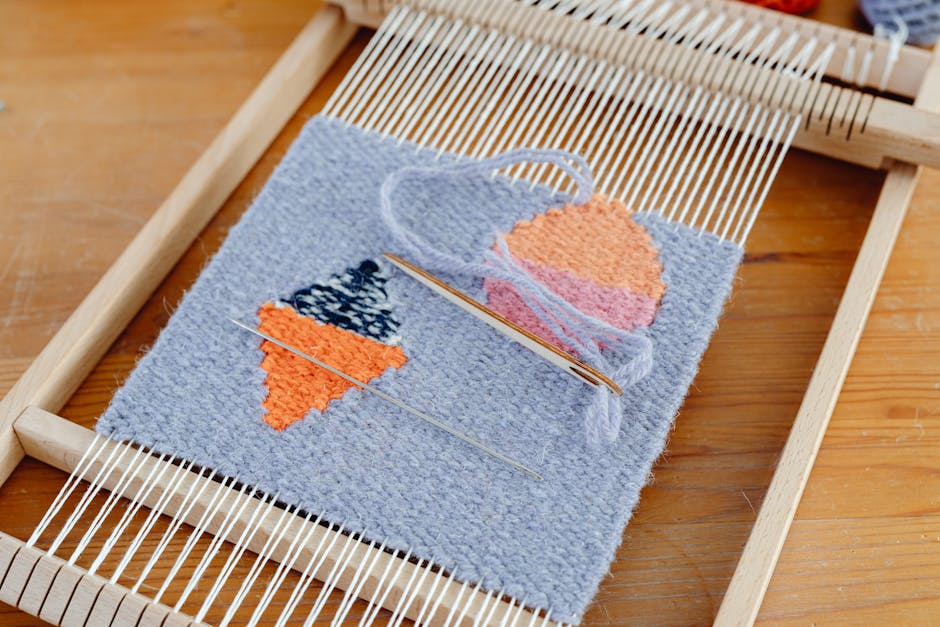
Knitting and weaving loom kits are far more than just fun activities; they are valuable tools for childhood development. The repetitive motions involved in knitting and weaving strengthen fine motor skills, improving dexterity and hand-eye coordination. These skills are fundamental for tasks such as writing, drawing, and using utensils.
Moreover, these crafts demand focus and concentration. Children learn to follow patterns, count stitches or threads, and troubleshoot errors they encounter. This process hones their problem-solving abilities and cultivates patience and perseverance. Successfully completing a project, whether a simple coaster or a colorful scarf, provides a tremendous sense of accomplishment, boosting self-esteem and confidence.
Furthermore, knitting and weaving allow children to express their creativity. They can experiment with different colors, textures, and patterns, fostering imagination and artistic expression. From designing unique color combinations to creating personalized gifts, these crafts empower children to explore their creative potential.
Expert Safety Tips for Knitting Loom Activities
While knitting and weaving loom kits are generally safe, it is essential to prioritize safety, especially with younger children. Choose kits that are specifically designed for the child’s age and skill level. Avoid kits with small parts that could pose a choking hazard for toddlers and young children.
Always provide close supervision, particularly when children are first learning to use the loom or knitting needles. Teach them how to hold the tools correctly and safely, and emphasize the importance of paying attention to what they are doing to avoid accidental injuries.
Store the kits properly when not in use, keeping them out of reach of young children and pets. Inspect the tools regularly for any signs of damage or wear, and replace them as needed to ensure safety.
Creative Knitting and Weaving Activity Ideas
The possibilities for creative projects with knitting and weaving loom kits are endless. Start with simple projects like creating coasters, small squares, or simple woven bracelets. As children gain confidence and skill, they can progress to more complex projects such as scarves, hats, or even small blankets or wall hangings.
Encourage children to personalize their creations by experimenting with different yarns, beads, and embellishments. They can create unique patterns and designs, adding their own personal touch to each project. Consider using recycled materials, such as old t-shirts or fabric scraps, to add an eco-friendly element to the crafting experience.
Organize crafting sessions with friends or family to make it a social and collaborative activity. Children can share ideas, learn from each other, and work together on larger projects. This fosters teamwork, cooperation, and a sense of community.
Real-World Experience
I’ve seen firsthand how knitting and weaving can positively impact a child’s development. One young boy, initially struggling with focus in school, found solace and a sense of accomplishment through weaving. The rhythmic hand movements seemed to calm him, and the tangible results of his efforts significantly boosted his confidence. His teacher reported increased focus and improved handwriting skills shortly after he began weaving regularly at home.
Frequently Asked Questions
Q: At what age can a child start using a knitting or weaving loom kit?
A: The appropriate age varies depending on the complexity of the kit and the child’s individual dexterity. Generally, children aged 6 and up can use simpler knitting looms and weaving kits, but it’s crucial to supervise them closely and choose age-appropriate tools.
Q: What are the best materials to use for knitting and weaving projects?
A: Natural fibers like cotton and wool are soft, durable, and easy to work with, making them ideal for beginners. Acrylic yarns are also a good option, as they are affordable and come in a wide variety of colors. Experiment with different textures and weights of yarn to create unique and interesting projects.
Q: How can I help my child if they are struggling with a particular knitting or weaving technique?
A: Be patient and offer encouragement. Break down the steps into smaller, more manageable chunks. Utilize online tutorials or books to provide visual guidance. Most importantly, remind them that mistakes are a part of the learning process and celebrate their progress, no matter how small.
Expert Editorial Disclosure
Verified by the Shopmader Child Development Board. Experience Signal: Combined AI data with real-world feedback.