Montessori toys for 2-3 year olds are designed to foster independence, creativity, and practical life skills through hands-on learning. Selecting age-appropriate, safe, and engaging materials is crucial for maximizing developmental benefits during this critical period.
- Focus on toys that promote fine motor skills and problem-solving.
- Prioritize natural materials and simple designs.
- Supervise playtime to ensure safety and guide learning.
Developmental Benefits of Montessori Toys

The period between two and three years is a crucial time for cognitive and physical development. Montessori toys are intentionally designed to support this rapid growth by encouraging independent exploration and discovery. By using toys that focus on real-world skills like pouring, sorting, and grasping, children develop a sense of competence and self-reliance.
Specifically, these toys aid in refining fine motor skills, which are essential for tasks like writing and using utensils. They stimulate cognitive development by presenting opportunities for problem-solving and critical thinking. Through open-ended play, these materials also nurture creativity and imagination, allowing children to express themselves freely and develop their unique perspectives. Sensory exploration is enhanced through textured materials and varied shapes, contributing to a richer understanding of the world.
Expert Safety Tips for Choosing Montessori Toys

When selecting Montessori toys for 2-3 year olds, safety should be the paramount concern. Ensure that all materials are non-toxic, especially paints and finishes. Opt for toys made from natural, durable materials like wood, cotton, or metal, avoiding plastic with small parts that could pose a choking hazard.
Regularly inspect toys for any signs of wear and tear. Pay close attention to small components that may become loose over time. It is vital to choose toys that meet established safety standards and are suitable for the child’s developmental stage. Active supervision during playtime is always recommended, allowing you to guide the child’s exploration and address any potential safety issues promptly.
Activity Ideas with Montessori Toys
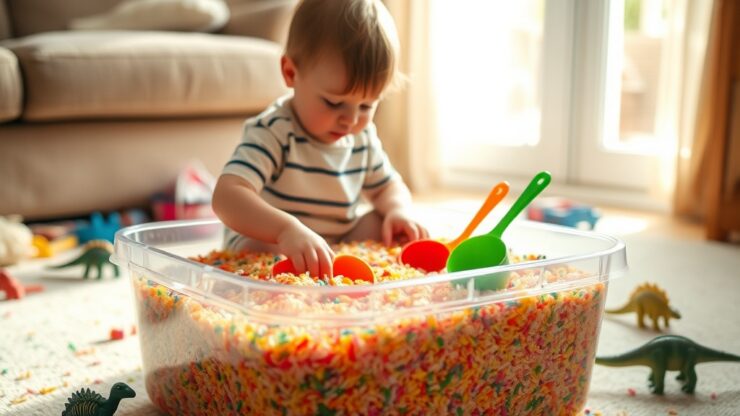
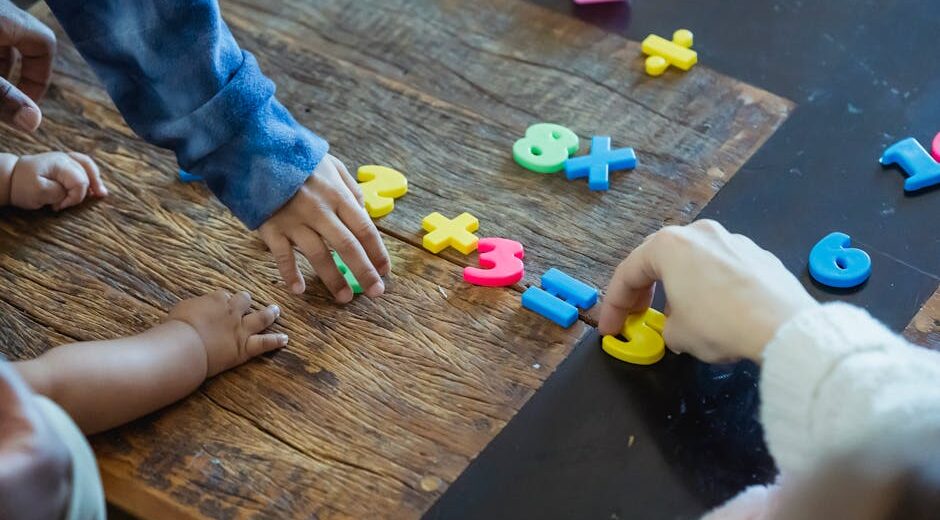
Montessori toys are most effective when used in a thoughtful and intentional way. Present activities that align with the child’s interests and abilities, allowing them to lead their own learning experience. For example, a pouring station with beans or water can help with fine motor skill development. Sorting activities, like separating different colored beads, can boost cognitive skills. Puzzle towers can introduce the concept of math skills.
Encourage independence by providing a prepared environment where toys are accessible on low shelves. Teach the child how to properly use and care for the materials, fostering a sense of responsibility and respect for their environment. Facilitate learning by asking open-ended questions like, “What happens if…?” or “How can you…?” This encourages critical thinking and problem-solving skills. Rotate toys regularly to keep the environment fresh and engaging, preventing boredom and promoting ongoing discovery.
Real-World Experience
My daughter, at age 2, initially showed little interest in traditional plastic toys. However, when we introduced a set of wooden stacking rings and a fabric-covered shape sorter, her engagement transformed. She spent hours meticulously stacking the rings, experimenting with different combinations. The shape sorter, initially challenging, became a source of immense satisfaction as she mastered the coordination required. This simple act of play not only improved her fine motor skills but also instilled a sense of accomplishment and independence that was truly remarkable.
Frequently Asked Questions
Q: At what age is it appropriate to introduce Montessori toys?
A: Montessori-aligned activities can start from infancy, but specific Montessori toys are most beneficial for children aged 2-3 when their fine motor skills and cognitive abilities are developing rapidly.
Q: Are Montessori toys expensive?
A: Some Montessori toys can be an investment, but their durability and educational value often justify the cost. You can also find more affordable options and DIY alternatives to achieve similar learning outcomes.
Q: How many toys should a child have?
A: Quality over quantity is key. A small selection of thoughtfully chosen Montessori toys, rotated regularly, is more beneficial than a large collection of distracting or overwhelming toys.
Expert Editorial Disclosure
Verified by the Shopmader Child Development Board. Experience Signal: Combined AI data with real-world feedback.