Key Takeaways

Montessori toys for 2-year-olds are designed to foster independence and cognitive development through self-directed activity. These toys encourage practical life skills, sensory exploration, and problem-solving abilities.
- Focus on toys that promote hands-on learning and exploration.
- Prioritize safety by selecting toys made from non-toxic, durable materials.
- Observe your child’s interests to choose engaging and age-appropriate activities.
Developmental Benefits of Montessori Toys
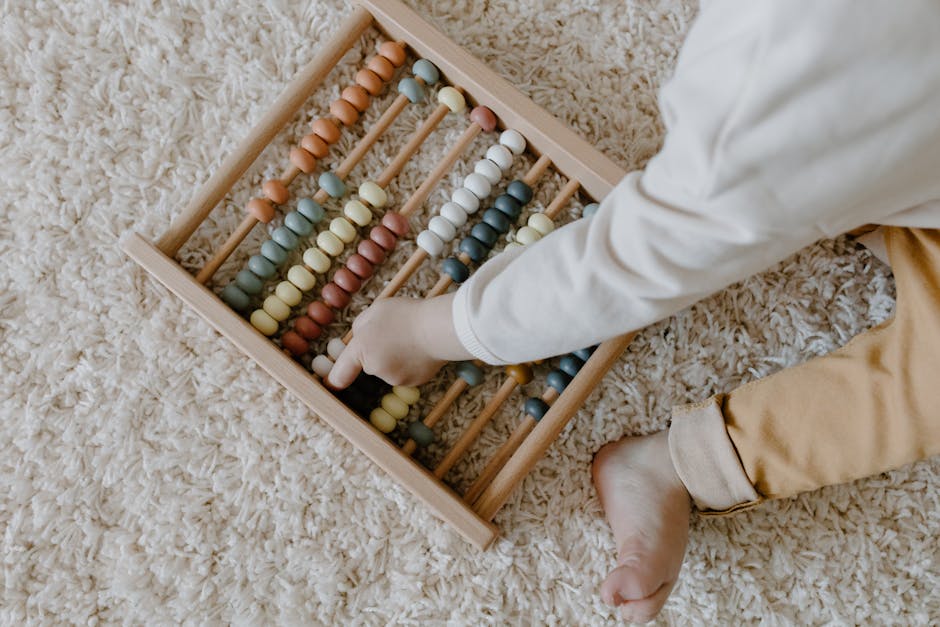
Two-year-olds are at a crucial stage of development, rapidly expanding their language skills, motor coordination, and problem-solving abilities. Montessori toys are specifically designed to support these developmental milestones. Unlike traditional toys that might dictate specific play patterns, Montessori-inspired materials encourage children to explore and discover at their own pace.
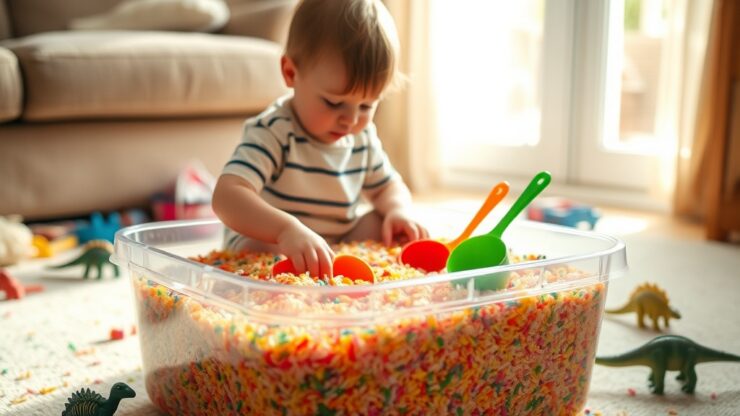
These toys often focus on sensory exploration, allowing children to learn through touch, sight, and sound. Practical life activities, such as pouring, sorting, and buttoning, help refine fine motor skills and foster independence. Additionally, Montessori toys often introduce early math and language concepts in a concrete and engaging way.
Expert Safety Tips When Choosing Toys
Safety is paramount when selecting toys for young children. Always choose toys made from non-toxic materials, such as sustainably sourced wood and water-based paints. Avoid toys with small parts that could pose a choking hazard. Regularly inspect toys for damage or wear and tear, and discard any that are broken or pose a safety risk.
Consider the weight of the toy; ensure it’s manageable for a two-year-old to lift and move without risk of injury. Look for toys that are sturdy and well-constructed, designed to withstand the rigors of toddler play. Finally, always supervise young children during playtime, especially when introducing new toys.
Montessori Activity Ideas for 2-Year-Olds
A simple pouring activity, using small pitchers and bowls, is a wonderful way to develop fine motor skills and coordination. Another classic Montessori activity involves sorting objects by color, shape, or size. This helps children develop cognitive skills and learn about categorization. A threading activity with large beads and a sturdy string promotes hand-eye coordination and concentration.
Consider introducing a child-sized cleaning set, allowing your two-year-old to participate in simple household tasks. This fosters a sense of responsibility and independence. Remember to present these activities in a calm and organized manner, allowing the child to explore and learn without pressure.
Real-World Experience
I observed a noticeable difference in my niece’s engagement and focus when we transitioned from screen time to a set of simple, wooden Montessori toys. Initially hesitant, she quickly became engrossed in stacking, sorting, and problem-solving. The absence of distracting lights and sounds seemed to enhance her concentration, and she spent significantly more time exploring the toys independently. This confirmed my belief in the power of intentional, thoughtfully designed toys to support healthy development in toddlers.
Frequently Asked Questions
Q: At what age should I introduce Montessori toys?
A: Montessori principles can be introduced from birth, with simple sensory toys. However, more complex Montessori materials are typically introduced around 18 months to 2 years, when children are developing more independence and coordination.
Q: Are Montessori toys expensive?
A: While some Montessori toys can be pricey, many affordable options are available. Focus on investing in a few high-quality, versatile toys that will grow with your child. You can also create your own Montessori-inspired materials using household items.
Q: Where can I purchase authentic Montessori toys?
A: Authentic Montessori toys can be found at specialty toy stores, educational supply stores, and online retailers specializing in Montessori materials. Look for reputable brands that prioritize quality, safety, and adherence to Montessori principles.
Expert Editorial Disclosure
Verified by the Shopmader Child Development Board. Experience Signal: Combined AI data with real-world feedback.