Key Takeaways
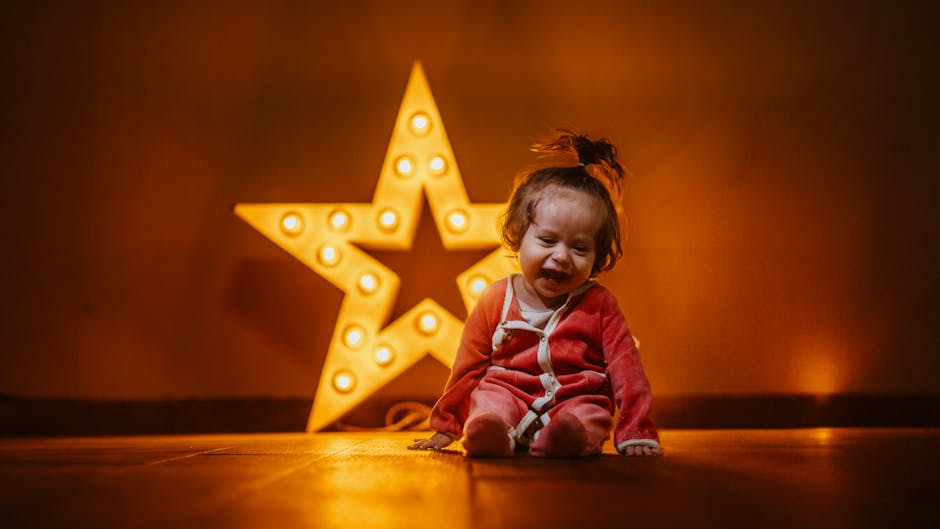
Phosphorescent glow-in-the-dark stars offer a simple yet powerful way to support a child’s cognitive and emotional development, especially during bedtime. They can transform a bedroom into a stimulating and comforting environment conducive to learning and relaxation.
- Stimulates imagination and creativity through visual storytelling.
- Promotes a sense of security and reduces bedtime anxieties.
- Enhances cognitive skills like pattern recognition and spatial reasoning.
Developmental Benefits of Glow-in-the-Dark Stars
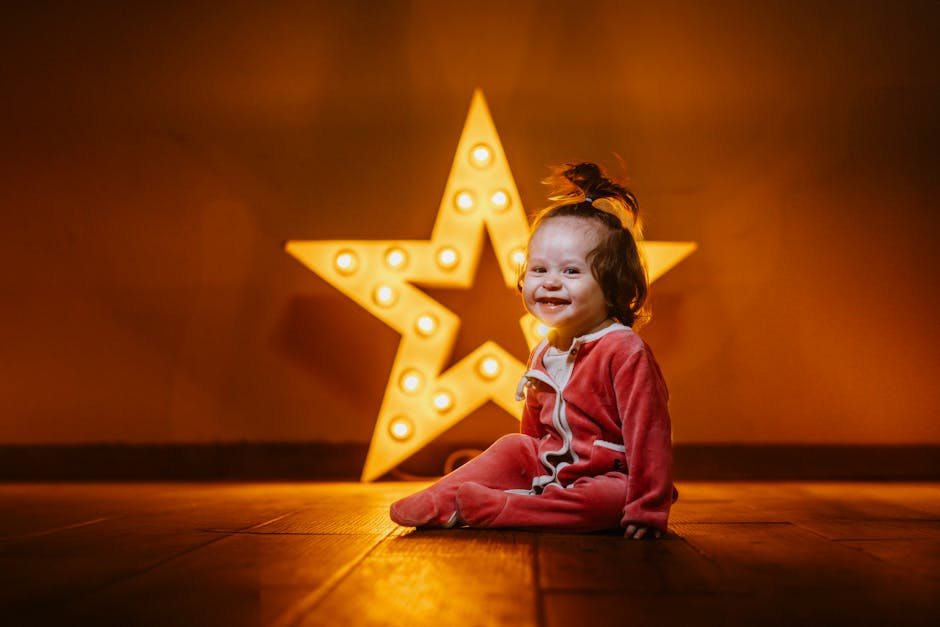
Glow-in-the-dark stars aren’t just fun decorations; they can provide genuine developmental benefits for children of various ages. For younger children, the stars can act as a soothing nightlight, helping to alleviate fears of the dark by creating a soft, comforting glow. This can contribute to better sleep habits and a more positive association with bedtime.
Older children can benefit from the stars’ ability to stimulate imagination and creativity. They can be arranged into constellations, sparking an interest in astronomy and science. The process of creating these celestial displays can also enhance spatial reasoning and problem-solving skills, as children learn to navigate the shapes and sizes of the stars within their room.
Expert Safety Tips
While glow-in-the-dark stars are generally safe, it’s crucial to follow a few precautions to ensure your child’s well-being. First and foremost, ensure that the stars are made from non-toxic materials, especially if your child is prone to putting objects in their mouth. Look for products that are labeled as phthalate-free and BPA-free.
Proper application is also vital. Securely attach the stars to the ceiling or walls using the adhesive provided, and periodically check to make sure they remain firmly in place. This prevents the risk of accidental detachment, which could be a choking hazard for younger children. Avoid placing them near cribs or within easy reach of infants and toddlers.
Exposure time to light is key, follow the manufacturer’s instruction of the correct exposure. Too long and the material may degrade faster.
Activity Ideas with Glow-in-the-Dark Stars
Beyond simple decoration, glow-in-the-dark stars can be incorporated into a variety of engaging activities. One popular option is to create a constellation map on the ceiling, teaching children about different star patterns and their associated stories. You can find printable constellation guides online to help you create accurate representations.
Another fun activity is to create a “starry night scavenger hunt.” Hide stars around the room and have your child find them in the dark, using a flashlight for guidance. This encourages problem-solving and gross motor skills. You can also use the stars to tell bedtime stories. “Once upon a time, there lived a star so bright…”
Real-World Experience
My daughter who suffered from bedtime anxiety has been greatly eased by glow-in-the-dark stars. My daughter would always complain about the dark, asking for a night light that never seemed to deliver the needed security. The low glow and recognizable shapes helped calm her anxiety and she has been sleeping better going on two years. I couldn’t be more thankful for this simple addition to our room.
Frequently Asked Questions
Q: Are glow-in-the-dark stars safe for babies?
A: Typically, glow-in-the-dark stars are safe when applied correctly and kept out of reach. Ensure secure adhesion and opt for non-toxic materials. Constant supervision is important if a baby is in the same room.
Q: How long do glow-in-the-dark stars last?
A: The glow duration varies. Quality stars can glow for several hours after exposure to light. However, the glow intensity will gradually diminish over time.
Q: How do I recharge glow-in-the-dark stars?
A: Expose them to a light source, such as sunlight or a lamp, for a period before bedtime. The brighter the light and longer the exposure, the stronger and longer-lasting the glow will be.