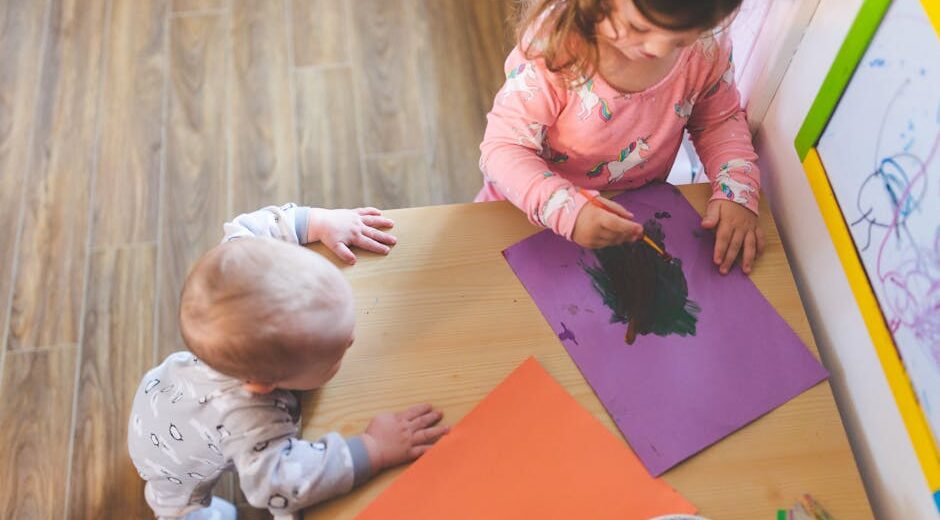
Washable finger paints offer a safe and stimulating way for toddlers to explore their creativity and develop essential skills. Choosing non-toxic paints and supervising playtime are crucial for a positive experience.
- Encourages sensory exploration and fine motor skill development.
- Provides a creative outlet for self-expression and emotional growth.
- Essential for early childhood development through tactile learning.
Developmental Benefits of Finger Painting
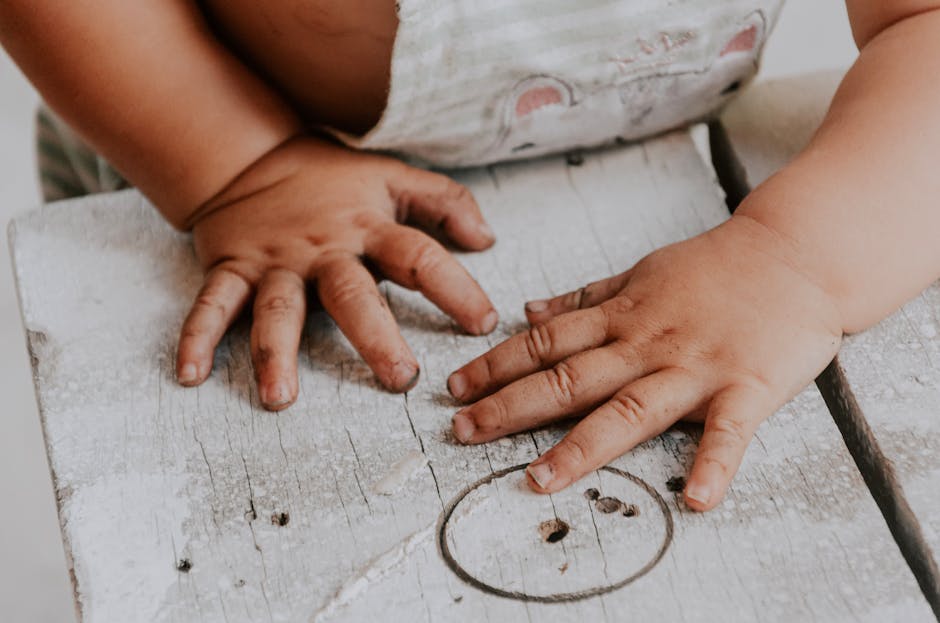
Finger painting is much more than just a fun activity for toddlers; it’s a powerful tool for early childhood development. The sensory experience of squishing and spreading paint directly onto paper stimulates tactile exploration, which is crucial for sensory integration. This tactile stimulation helps toddlers understand different textures and develop their sense of touch. Furthermore, the act of manipulating the paint strengthens fine motor skills, preparing them for future tasks like writing and drawing.
Beyond the sensory and motor benefits, finger painting fosters creativity and self-expression. Toddlers can experiment with colors, shapes, and patterns, allowing them to explore their imaginations freely. There’s no right or wrong way to finger paint, making it a non-judgmental activity that boosts confidence and encourages experimentation. This creative freedom allows toddlers to express emotions and ideas without the constraints of language.
Expert Safety Tips for Finger Painting with Toddlers
While finger painting is beneficial, safety is paramount. Always choose washable, non-toxic finger paints that are specifically formulated for toddlers. Read the labels carefully to ensure the paints are free of harmful chemicals and allergens. Even with non-toxic paints, supervision is crucial to prevent ingestion or the application of paint to sensitive areas like eyes or mouth.
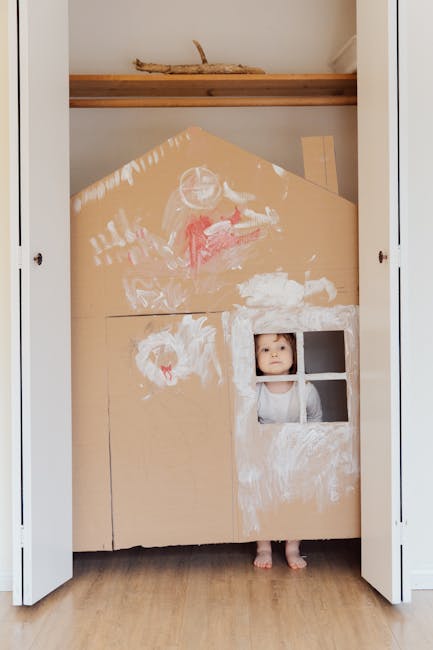
Before starting, create a safe and easily cleanable painting environment. Cover surfaces with newspaper, plastic tablecloths, or old sheets. Dress your toddler in old clothes or a smock to protect them from paint stains. Keep a damp cloth or wipes nearby for quick cleanups. After painting, thoroughly wash your toddler’s hands and any exposed skin with soap and water.
Introduce paint gradually, one color at a time, to avoid overwhelming your toddler. Monitor for any signs of allergic reaction, such as skin rashes or breathing difficulties, and discontinue use immediately if any occur. Store paints out of reach when not in use, ensuring they are inaccessible to young children.
Activity Ideas to Enhance Finger Painting
Beyond simply letting your toddler explore the paint freely, consider incorporating structured activities to further enhance the experience. Try introducing different textures, such as rice, sand, or glitter, to the paint for added sensory stimulation. Use cookie cutters or stencils to create shapes and patterns, helping them learn about form and design. Painting on different surfaces like cardboard, fabric scraps or large butcher paper also adds variety.
You can also turn finger painting into a learning opportunity. Ask your toddler to paint specific colors or objects. For example, ask them to paint a red apple or a blue sky. This helps them learn about colors and object recognition. Sing songs or tell stories related to the colors or objects they are painting, making the activity even more engaging and educational.
Another fun activity is to create handprint or footprint art. These personalized creations make wonderful keepsakes and gifts. Simply help your toddler gently press their hand or foot into the paint and then onto paper. You can then add details to turn the prints into animals, flowers, or other creative designs.
Real-World Experience
As a parent, I’ve found that finger painting offers some of the most rewarding playtime with my own children. Initially hesitant about the mess, I quickly realized that the developmental benefits far outweighed the cleanup. I remember one day when my son, initially reserved, completely opened up while mixing different colors of paint. He exclaimed with joy as he created a vibrant rainbow on the paper, a genuine expression of creativity and happiness. It wasn’t just the art; it was the sensory experience, the freedom of expression, and the bonding moment we shared that made it so special. The key is always to prioritize safety with non-toxic paints and create a space where mess is embraced, not feared. Now, finger painting is a regular and cherished activity in our home.
Frequently Asked Questions
Q: What age is appropriate for finger painting?
A: Finger painting is generally appropriate for toddlers around 12 months and older, but always under close supervision.
Q: How do I clean up after finger painting?
A: Use a damp cloth or baby wipes to clean surfaces and hands. Washable paints typically come off easily with soap and water.
Q: Can I make my own finger paint?
A: Yes, you can make your own non-toxic finger paint using ingredients like cornstarch, water, and food coloring. There are many safe and simple recipes available online.
Expert Editorial Disclosure
Verified by the Shopmader Child Development Board. Experience Signal: Combined AI data with real-world feedback.