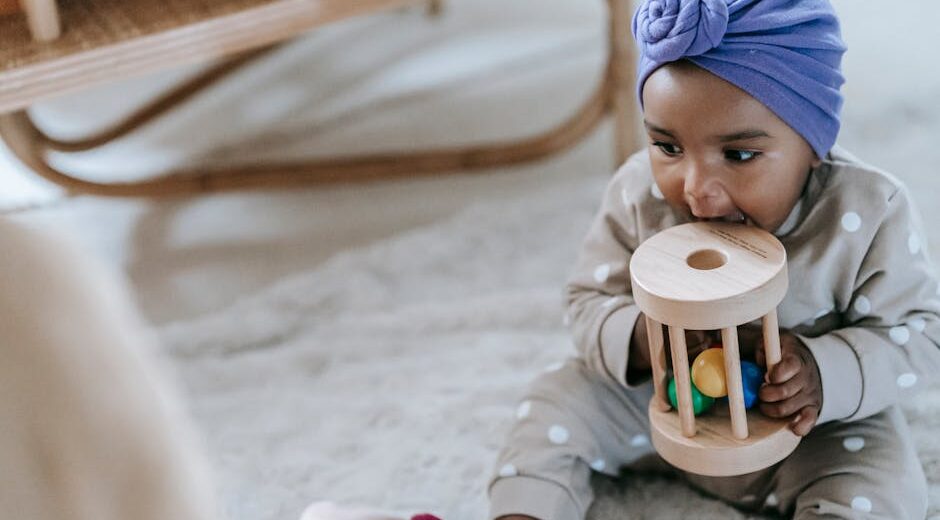
Natural wood rattles and shakers offer critical sensory and motor skill development opportunities for babies. Choosing sustainably-made and non-toxic options guarantees both child safety and environmental responsibility.
- Sensory Exploration: Tactile and auditory stimulation.
- Motor Skill Development: Enhanced grasping and coordination.
- Eco-Conscious Choice: Sustainable materials, non-toxic finishes.
Developmental Benefits of Natural Wood Rattles and Shakers
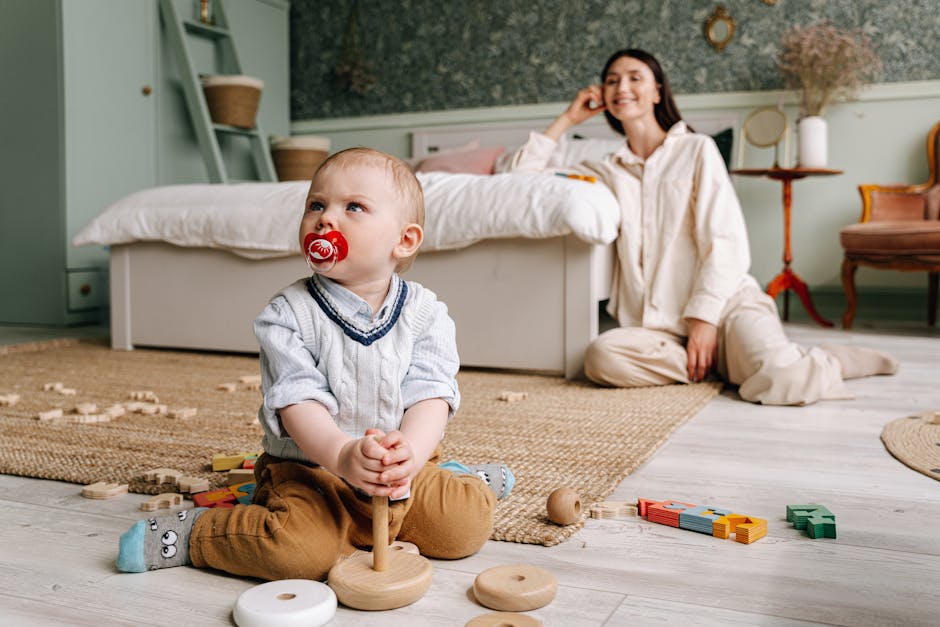
Natural wood rattles and shakers provide a wealth of developmental advantages for infants and toddlers. The textures and sounds of wood stimulate a child’s senses, encouraging them to explore their environment through touch and sound. These toys foster the development of fine motor skills as babies learn to grasp, hold, and manipulate them. The act of shaking and rattling also helps with hand-eye coordination.
Moreover, the auditory feedback from these toys creates opportunities for cause-and-effect learning. When a baby shakes a rattle and hears a sound, they begin to understand that their actions have consequences, a fundamental building block for cognitive development. The simple design of wooden rattles reduces overstimulation, focusing the child’s attention on fundamental sensory experiences. They encourage exploration of sound and texture without overwhelming visual complexity.
Expert Safety Tips for Selecting Wood Rattles
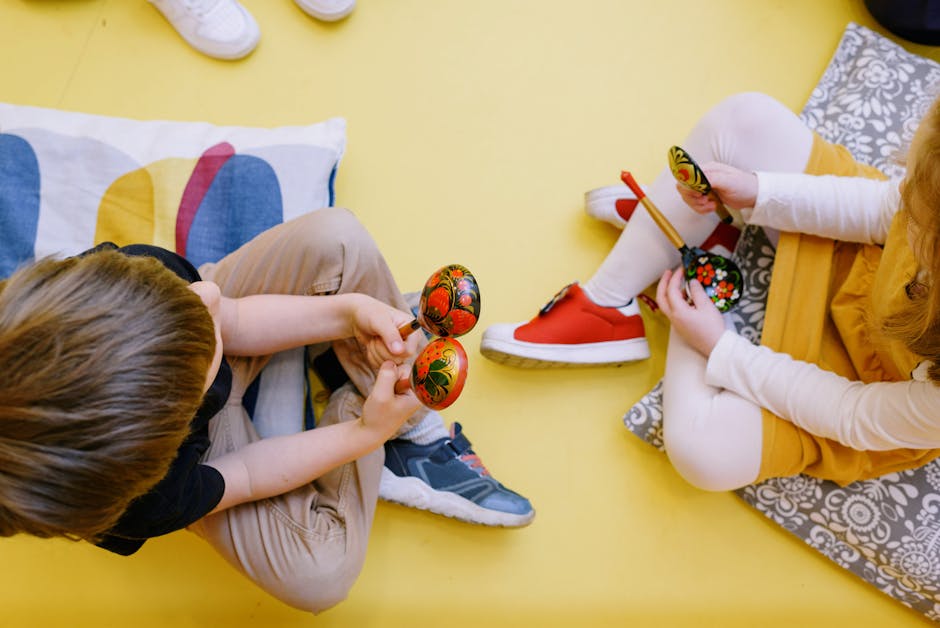
Prioritizing safety is paramount when choosing toys for infants. Always select rattles and shakers made from sustainably sourced hardwoods and finished with non-toxic, food-grade paints or oils. Thoroughly inspect the toy for any small, detachable parts that could present a choking hazard. Check the craftsmanship of the product. Properly made rattles should have seamlessly connected components, free of splinters or weak joints.
Regular cleaning is essential to prevent bacterial buildup. Wipe down the rattles with a damp cloth and mild, baby-safe soap, ensuring they are completely dry before giving them back to the child. Supervise play to ensure that the rattle is used appropriately and not used as a teething toy beyond its intended design. Regularly check for any signs of wear and tear, such as cracks or loose pieces. Replace worn or damaged toys immediately.
Activity Ideas Using Wood Rattles and Shakers
Wooden rattles and shakers are versatile tools for encouraging playful learning. Introduce the rattle to a baby during tummy time to encourage them to lift their head and reach for the toy, strengthening neck and back muscles. Use different rattles and shakers to introduce sounds and textures. Older babies shaking a rattle can learn to associate sound with motion.
Play simple music games. Shake the rhythm and teach babies the difference between fast and slow sounds. Incorporate the rattles into songs and rhymes to make learning more engaging and memorable. Let the child shake along, fostering a sense of musicality and creativity. Encourage imitative play by shaking the rattle yourself and inviting the child to copy your actions. This helps in developing cognitive skills.
Real-World Experience
I used a simple wooden maraca with my youngest child and was amazed at how quickly she learned to control her movements to create different sounds. It wasn’t the flashiest toy, but its simplicity seemed to really engage her. She loved the feel of the smooth wood and the gentle sound it made. More importantly, because the finish was non-toxic, I didn’t have to worry every time she put it in her mouth (which, of course, she often did!). The wooden shaker quickly became a favorite toy.
Frequently Asked Questions
Q: Are all wood rattles safe for babies?
A: No, it is crucial to verify that the wood is sustainably sourced and finished with non-toxic, baby-safe materials.
Q: How often should I clean a wooden rattle?
A: Clean the rattle regularly with a damp cloth and mild soap. And make sure it is fully cleaned.
Q: When can I introduce a wooden rattle to my baby?
A: You can introduce a wooden rattle as early as 3 months old, or when your baby can grasp objects.
Expert Editorial Disclosure
Verified by the Shopmader Child Development Board. Experience Signal: Combined AI data with real-world feedback.