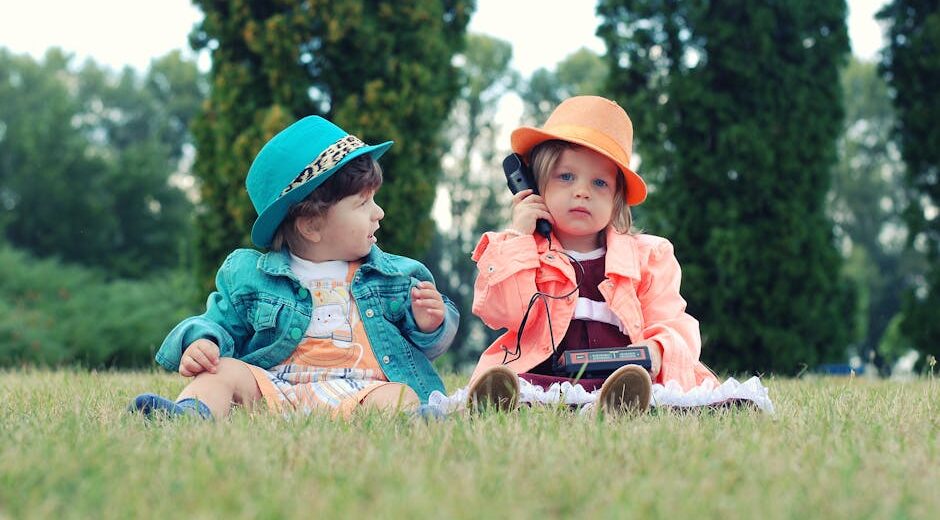
Portable walkie talkies offer a fun and engaging way for children to develop communication skills, engage in imaginative play, and explore their surroundings while staying connected.
- Encourage outdoor play and physical activity.
- Foster independence and problem-solving skills.
- Provide a sense of security through communication.
Developmental Benefits
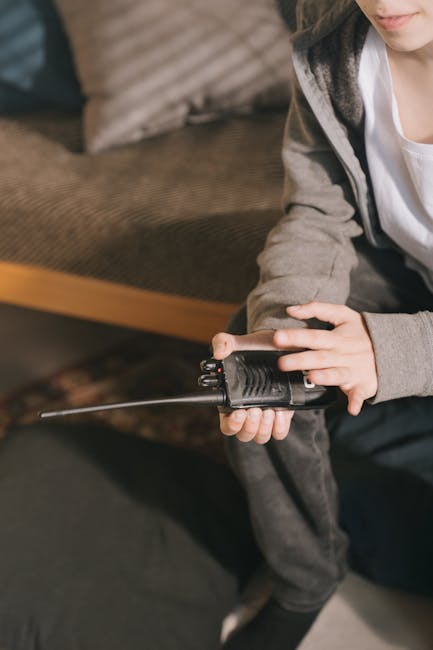
Walkie talkies are more than just toys; they’re tools that can significantly contribute to a child’s development. The act of communicating clearly and concisely is crucial for language development. Children learn to articulate their thoughts and listen attentively to others when using walkie talkies. This active engagement strengthens both expressive and receptive language skills.
Furthermore, walkie talkies encourage imaginative play. Whether they’re pretending to be secret agents, astronauts on a mission, or simply exploring a backyard obstacle course, walkie talkies facilitate role-playing and creative scenarios. This type of play boosts cognitive flexibility and enhances problem-solving abilities as children invent stories and navigate imagined situations.
Using walkie talkies also promotes social interaction and cooperation. When playing with friends or siblings, children learn to take turns, share information, and coordinate their actions. This shared experience strengthens social bonds and teaches valuable lessons about teamwork and collaboration.
Expert Safety Tips
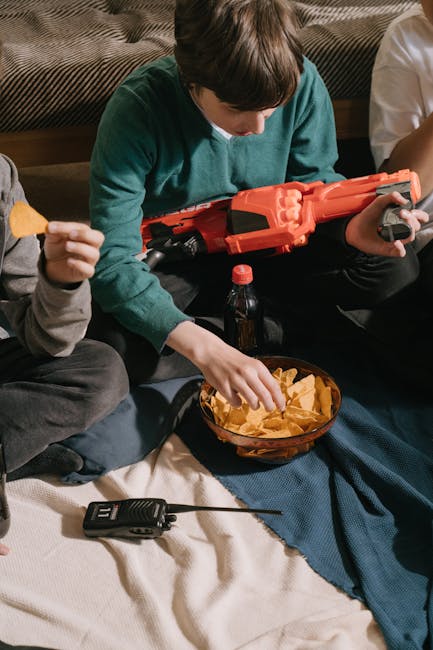
While walkie talkies are generally safe, it’s important to prioritize safety when allowing children to use them. First and foremost, choose walkie talkies that are specifically designed for children. These models often have lower power outputs and are made from durable, non-toxic materials. Always supervise young children during play, especially when outdoors, to ensure they are using the devices responsibly and safely.
Teach children about appropriate use and communication etiquette. Emphasize the importance of respecting others and avoiding offensive or inappropriate language. Set clear boundaries regarding range and usage areas. Explain that walkie talkies should not be used to contact strangers or for any activity that could compromise their safety or security.
Regularly inspect the walkie talkies for any signs of damage, such as cracked casings or frayed antennas. Replace any damaged devices immediately to prevent potential injuries. Additionally, be mindful of environmental factors, such as extreme heat or moisture, which can affect the performance and lifespan of the walkie talkies.
Activity Ideas
Unleash the full potential of walkie talkies with engaging and creative activities. Organize a scavenger hunt where children use the walkie talkies to communicate clues and navigate to hidden treasures. This activity encourages teamwork, problem-solving, and spatial awareness. Create a backyard spy mission, tasking children with protecting a designated area or retrieving a “secret” object using walkie talkies to coordinate their movements and strategies.
Encourage storytelling and imaginative role-playing. Have children create their own fictional scenarios and use the walkie talkies to develop characters, plotlines, and dialogue. This activity fosters creativity, communication skills, and narrative development. Alternatively, use walkie talkies during nature walks or camping trips to enhance the experience. Children can use them to report sightings of interesting plants or animals, communicate directions on trails, or simply stay in touch while exploring their outdoor surroundings.
For younger children, a simple hide-and-seek game using walkie talkies can be both fun and educational. The child who is “it” can use the walkie talkie to give clues or directions to the hiders, helping them develop listening and comprehension skills. You can also set up a base camp in separate rooms and use the walkie talkies to play a question and answer game to stimulate their memory and cognitive skills.
Real-World Experience
Sarah, a mother of two energetic boys, shared her experience: “Initially, I was hesitant about getting my kids walkie talkies, fearing they would just be another source of noise. However, I was pleasantly surprised. They now spend hours outside, creating elaborate games and adventures, all while using the walkie talkies to communicate and coordinate. It’s encouraged them to be more active, creative, and cooperative. Plus, it gives me peace of mind knowing they can easily reach me if they need anything.”
Frequently Asked Questions
Q: What is the appropriate age for a child to use walkie talkies?
A: Most walkie talkies designed for children are appropriate for ages 3 and up, but always check the manufacturer’s recommendations. Supervision is essential, especially for younger children.
Q: How far can walkie talkies transmit?
A: The transmission range varies depending on the model and terrain. Most children’s walkie talkies have a range of up to a mile in open areas, but obstacles like buildings and trees can reduce the range.
Q: What type of batteries do walkie talkies require?
A: Battery requirements vary. Some models use disposable batteries, while others have rechargeable batteries. Rechargeable models are often more cost-effective and environmentally friendly.
Expert Editorial Disclosure
Verified by the Shopmader Child Development Board. Experience Signal: Combined AI data with real-world feedback.
💖 SHARE WITH OTHER PARENTS