27 Education Trends Reshaping Learning in 2026
As a mother of two young children, navigating the world of education feels like both adventure and challenge. I often find myself wondering what their learning environment will look like in just a few years. In 2026, the educational landscape is set to change dramatically, reshaping how our children learn and grow. Here are 27 trends that I believe will be transformative for my kids—and other kids around the world.
1. Personalization in Learning
Gone are the days of the one-size-fits-all approach. In 2026, we’ll see a surge in personalized learning experiences. Schools will harness data analytics to tailor educational curriculums to each student’s strengths and weaknesses. This allows children like my son, who struggles with math, to receive extra support exactly where he needs it.
2. Gamification of Education
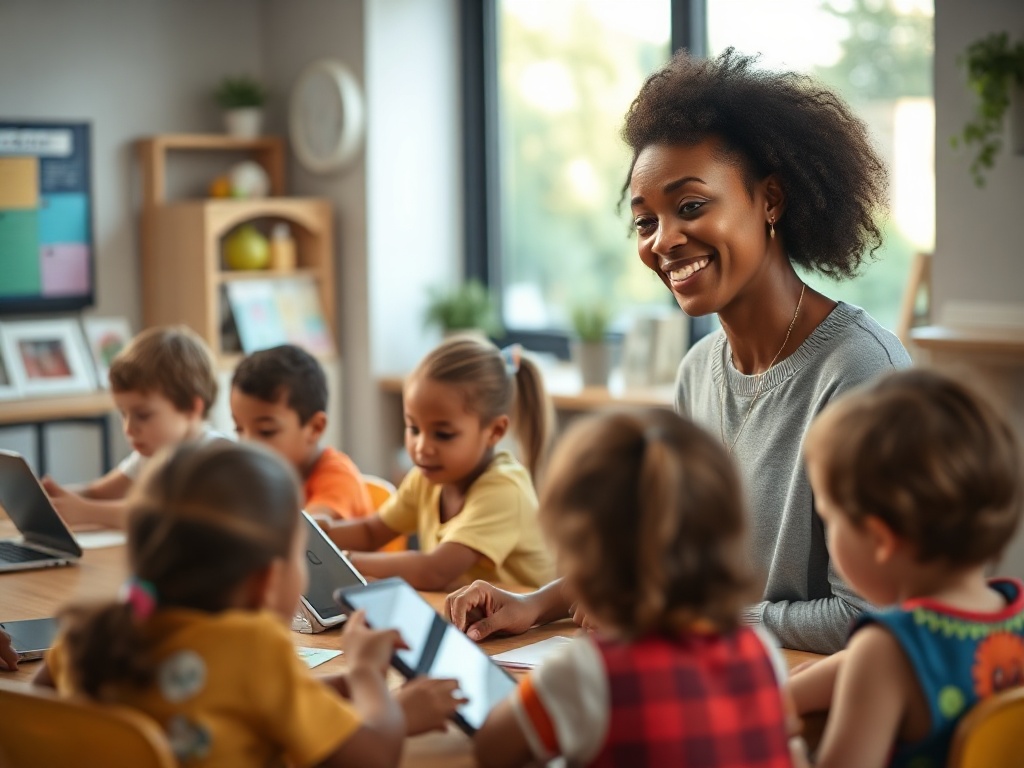
Learning will no longer feel like a chore. The gamification of education is becoming more prevalent, creating a fun and engaging learning environment. Imagine my daughter racing through a math game to earn points instead of just solving worksheets. This trend makes learning an exciting adventure!

3. Stem and Steam Programs on the Rise
With advancements in technology, STEM and STEAM programs will become even more integral in schools. The creative fusion of Science, Technology, Engineering, Arts, and Mathematics will empower kids to innovate. I can already see my children thriving in these environments, where they can integrate creativity into analytical thought.
4. Virtual Reality Experiences
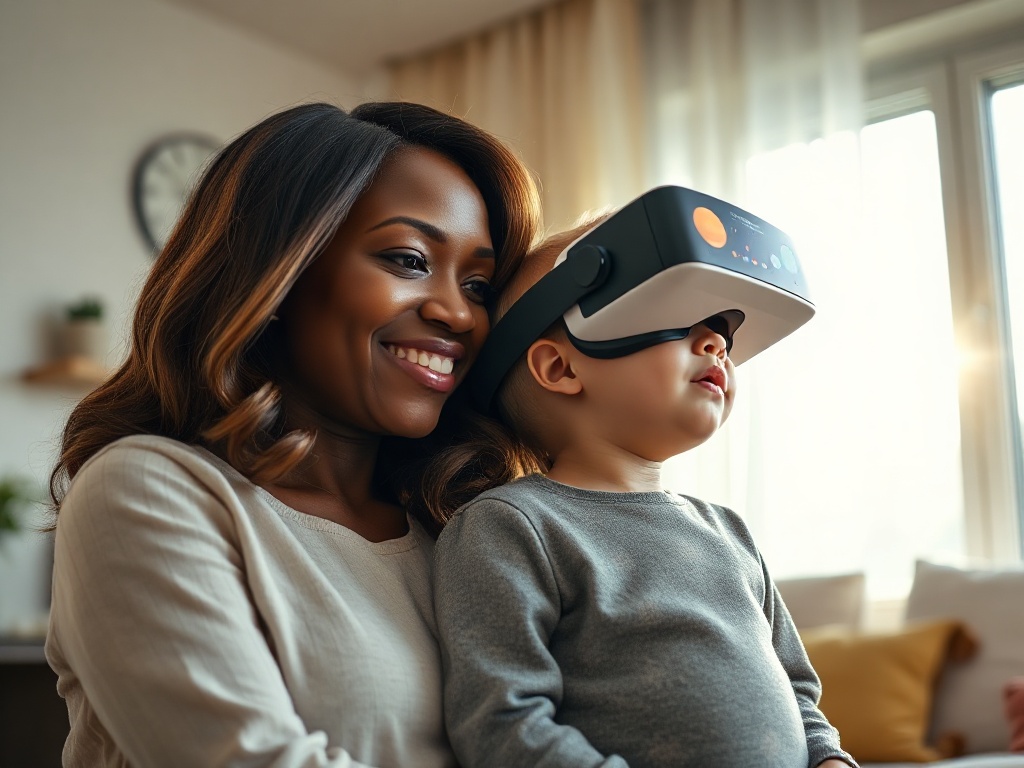
Imagine my kids donning VR headsets to explore the wonders of the universe or the depths of the ocean. Virtual reality will change the way students experience lessons. They’ll leave the confines of their classrooms, immersing themselves in history or science like never before, creating unforgettable memories along the way.
5. Focus on Mental Health and Emotional Learning
The importance of mental health is finally being recognized. In 2026, schools will incorporate emotional learning into their curriculums, equipping kids to manage stress and build resilience. Helping my children develop these vital skills will be a game-changer as they navigate the complexities of life.
6. Increased Emphasis on Collaboration
Collaboration will be key in future classrooms. Group projects will not only enhance learning but also teach essential social skills. I envision my children working with their peers from different backgrounds on community projects, fostering empathy and understanding—values that are necessary for a better world.
7. Robotics and AI Integration
Robotics and artificial intelligence will become staples in school curriculums. My children will grow up working alongside bots, learning about programming, and discovering how technology can solve real-world problems. This trend is opening their minds to possibilities we can only imagine today.
8. Flexible Learning Spaces
The traditional classroom setup will evolve into dynamic, flexible learning spaces. Gone will be the rigid desks in rows. Instead, we’ll see spaces that adapt to various activities, encouraging movement and collaboration. I hope this more relaxed atmosphere will help my children learn comfortably and creatively.
9. Community Connection and Global Learning
Educational institutions will increasingly forge partnerships with local businesses and global communities, enhancing real-world learning. For instance, my children will have opportunities to intern or volunteer with organizations that impact their communities, making their education relevant and impactful.
10. Blended Learning Environments
As remote learning technologies develop, blending digital resources with face-to-face teaching will become commonplace. In 2026, my kids will have the flexibility to learn at their own pace, mixing traditional education with virtual courses that interest them. This hybrid approach will empower their love for constant discovery.
11. Green Learning Initiatives
In response to climate change, educational institutions will adopt eco-friendly practices and curricula. Schools will become models for sustainability, teaching children the importance of caring for our planet. I imagine my children participating in gardening projects, fostering a lifelong connection to nature.
12. Financial Literacy as Core Curriculum
Financial education is becoming essential. Soon, children’s lessons will incorporate budgeting, investing, and money management. I’m excited that such knowledge will give my kids the tools to navigate their financial futures wisely.
13. Lifelong Learning Mindset
The notion of lifelong learning will be instilled in children from a young age. In 2026, students will recognize that education doesn’t stop in the classroom. Emphasizing the value of curiosity and resilience will prepare them to adapt to rapid changes throughout their lives, balancing the journey of learning with their careers.
14. Affordances of EdTech
Technology will enable both individualized learning and broader access to education, leveling the playing field across socioeconomic barriers. With educational apps and online resources, children from various backgrounds can engage with content that meets their needs and interests, allowing for equity in learning.
15. Peer-to-Peer Learning
Students will increasingly engage in peer-to-peer learning, facilitating deeper understanding and connection. Through mentorship or tutoring from classmates, my children will gain not just knowledge but also confidence and social skills.
Conclusion
As I reflect on these 27 trends reshaping education in 2026, I feel hopeful for the future of learning. The evolution of education holds the potential to unlock my children’s fullest potential, equipping them with the skills and knowledge needed to navigate an ever-changing world. Here’s to the exciting adventures in learning that lie ahead for all of our children!
From the Shopmader Community
Real voices. Real play. We value every parent’s honest journey.