
A Small Peek Into Some of Our Most Loved Montessori Toys from Our Home
As a stay-at-home dad, I’ve been lucky enough to embark on a beautiful journey with my kids that is filled with learning, laughter, and the wonderful world of Montessori. Throughout our days, we’ve discovered the benefits of engaging with well-crafted toys that not only entertain but also support our children’s development in meaningful ways. Here’s a heartfelt look into some of our most loved Montessori toys that have filled our home with joy and learning.
The Magic of Wooden Blocks
One of the first Montessori toys we embraced was a beautiful set of wooden blocks. These simple yet versatile toys are an endless source of inspiration for imaginative play, foundational math skills, and fine motor development. Watching my kids build towering skyscrapers and intricate castles, their eyes lit with creativity, fills my heart with joy. The tactile nature of the blocks encourages multi-sensory engagement, allowing them to explore different shapes, weights, and colors.
Every evening, we set aside special time just for block building. My kids often invite me to join in, leading our construction projects. Whether it’s a collaborative design or individual masterpieces, the blocks foster teamwork and communication. The gentle sound of the blocks clattering together as they tumble down is often followed by giggles, teaching the kids about cause and effect in a playful way.

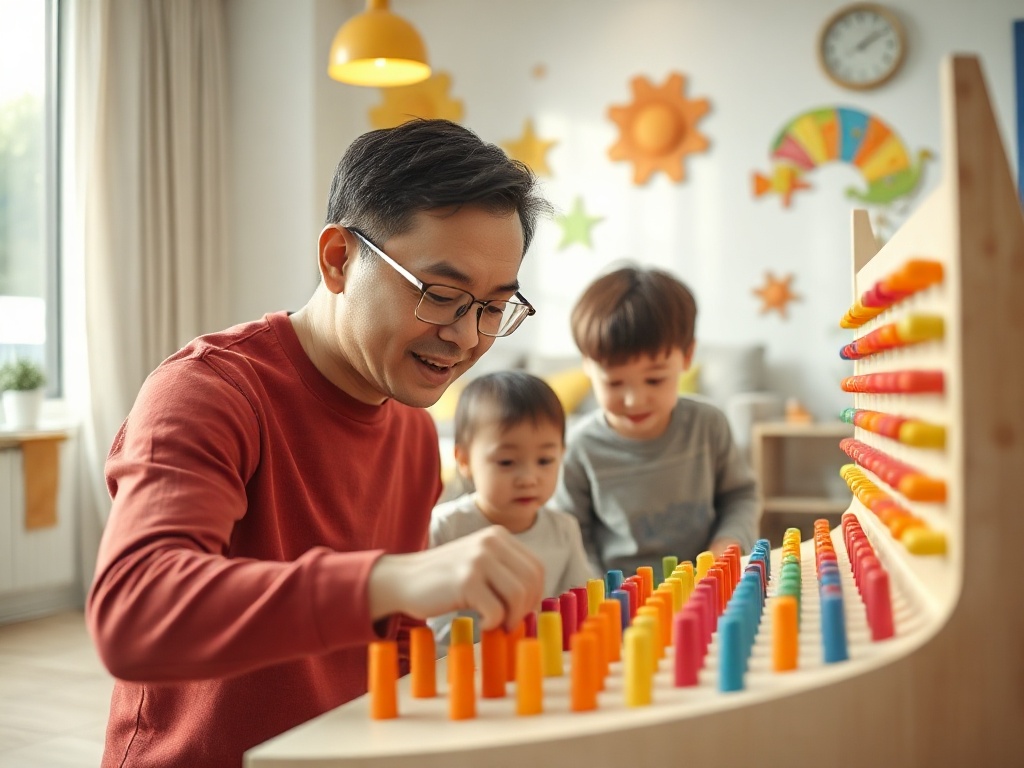
Sorting and Counting with Peg Boards
Our collection wouldn’t be complete without the classic peg boards that allow for sorting and counting activities. These toys have transformed mathematical concepts into engaging hands-on experiences. My oldest loves to sort the brightly colored pegs according to size and color, while my youngest enjoys simply placing pegs into the holes and removing them.
These activities may seem like play, but they’re deeply educational. Sorting and counting build crucial cognitive skills that will aid them throughout their academic journeys. On rainy days, we often create fun challenges like “How many red pegs can you stack before they topple?” or “Can you create a pattern with your pegs?” It’s astonishing how much learning happens when we allow curiosity to lead the way.
Exploration with Sensory Bins
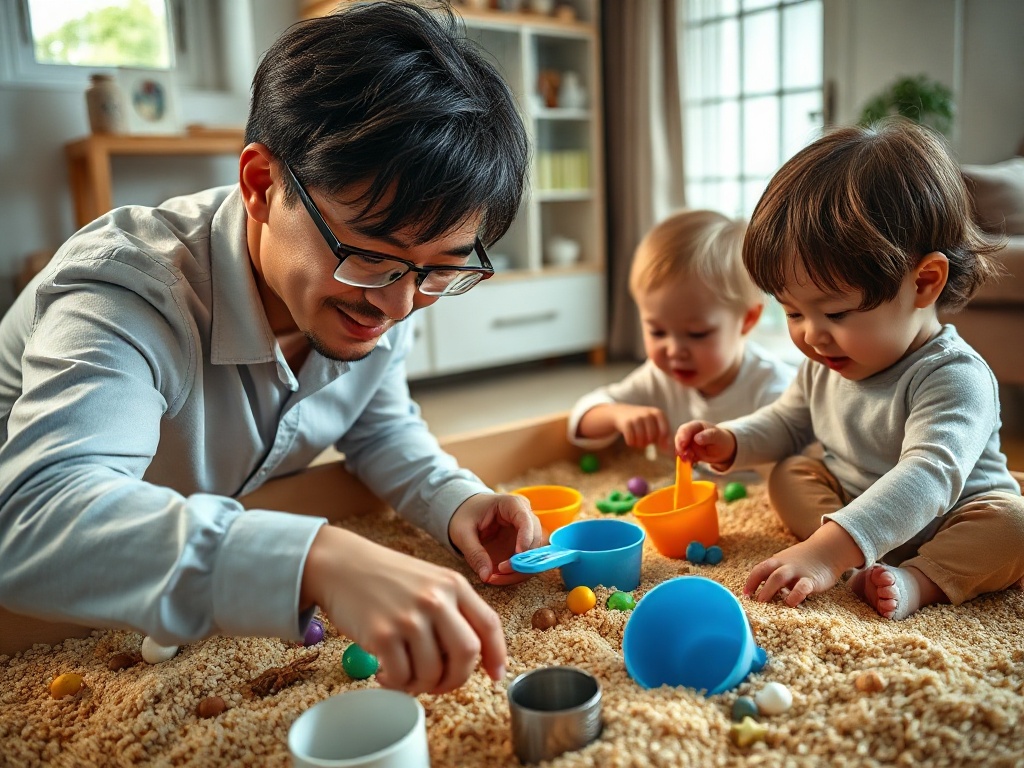
One of our absolute favorite activities is engaging with sensory bins filled with various textures. These bins are an amalgamation of rice, beans, small toys, and natural elements like twigs or pine cones. The tactile experience helps develop fine motor skills and stimulates the children’s senses in profound ways. They spend countless hours sifting, pouring, and discovering hidden treasures in the bins.
When we first introduced sensory bins, my kids were slightly unsure. However, as soon as they plunged their hands in, a world of exploration opened up. We often discuss the various items they find, using descriptive language to broaden their vocabulary. “What does that feel like? How does the rice smell? What can you build with the sticks?” These questions nurture their observational skills, encouraging them to articulate their thoughts.
The Beauty of Nature with Puzzle Toys
Montessori principles emphasize nature and the importance of connecting with the world around us. Our nature-themed puzzle toys beautifully encapsulate this philosophy. These puzzles depict different animals, plants, or ecosystems, allowing my kids to learn about biodiversity while developing their spatial reasoning skills. We’ve had endless discussions about the animals’ habitats and their roles in our ecosystem.
Not only do these puzzles offer an opportunity for engagement, but they also create a sense of mindfulness. As my kids fit each piece together, I can see their concentration peak. It’s a gratifying sight to watch them evolve from trying to fit pieces in the wrong places to confidently identifying where each piece belongs. When we complete a puzzle, it’s not just an accomplishment; it’s a shared experience that we celebrate together with pride.
Imaginative Play with Role-Play Sets
One of the most cherished aspects of our Montessori adventure has been the introduction of role-play sets. From doctors to chefs, the variety of role-play toys encourages my kids to step into different shoes, fostering empathy, collaboration, and creativity. I’ve had many fascinating evenings as a mini-chef while my kids whip up culinary delights out of play food in our pretend kitchen.
These sets have encouraged storytelling and dialogue, allowing them to develop their communication skills. They often invite me into their imaginative worlds, asking me to play different roles, such as a customer in their restaurant or a patient at their doctor’s office. These role-play sessions often lead to teaching moments where we discuss sharing, emotions, and problem-solving, wrapping life skills into our playtime seamlessly.

Conclusion: The Joy of Learning Through Play
As I reflect on our beloved Montessori toys, it’s evident that the joy they bring extends far beyond simple entertainment. These thoughtfully designed toys have not only made my kids the happiest little learners but have also enriched our family bond. They serve as reminders that play is not just an activity; it’s a powerful medium for discovery, understanding, and growth. Our home is indeed a playground of learning, where every toy has a story, and every moment is filled with love and laughter.
Whether it’s building skyscrapers with blocks, digging for treasures in sensory bins, or pretending to cook in a miniature kitchen, every play session is a monumental step in their development. As a parent, I couldn’t wish for anything more rewarding than witnessing their joy and curiosity blossom in such a beautiful way.
From the Shopmader Community
Real voices. Real play. We value every parent’s honest journey.