Baby Toy Buying Guide 2026: Adventures of a Stay-at-Home Dad
The Journey Begins
I wasn’t always a stay-at-home dad. Prior to becoming the full-time, hands-on parent I am today, my professional life was centered around the hustle and bustle of corporate deadlines and board meetings. That all changed in the autumn of 2025, when my then-pregnant wife and I decided that one of us should focus entirely on our soon-to-arrive bundle of joy. As our decision was made, I embarked on the most rewarding adventure of my life: full-time fatherhood.
As parents, we’re always looking for the best for our children, and that includes toys. Toys play a crucial role not only in entertaining our little ones but also in fostering their developmental milestones. This is my heartfelt guide to navigating the vast ocean of baby toys available in 2026 — from someone who’s spent countless hours observing and engaging with the small dynamics of play and growth.

Safety First: The Unseen Heroes of Toy Choice
The first thing any parent needs to consider is safety. In today’s market, with so many appealing products, it’s easy to get swept up by aesthetics and overlook the practicalities. I remember one Christmas when we received a beautifully designed wooden train set. It was delightful, but on closer inspection, we realized that the paint used wasn’t up to contemporary safety standards. My wife and I decided to repurpose it as a decorative item.
Always look for toys that adhere to safety certifications like ASTM and CPSC in the States, or CE marking in Europe. Ensure that toys are appropriate for your child’s age and avoid items with small parts that pose choking hazards. In 2026, we are fortunate that technology has aided in the creation of non-toxic, eco-friendly materials. Opt for companies that are transparent about their manufacturing processes and materials. Your baby’s health is paramount, and setting firm safety standards protects them beyond infancy.
Cognitive Boosters: Choosing Educational Toys
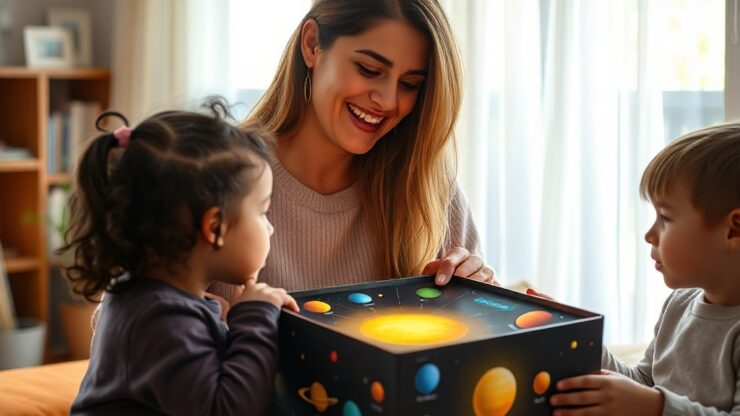
Now, more than ever, parents have access to a variety of toys specifically designed to enhance cognitive skills from a tender age. In our household, we’ve experienced the wonders of toys that invite curiosity and immersion. Early on, we introduced a set of interactive books that combined classic storytelling with embedded buttons to create sound effects. Our daughter, little Emma, was enchanted!
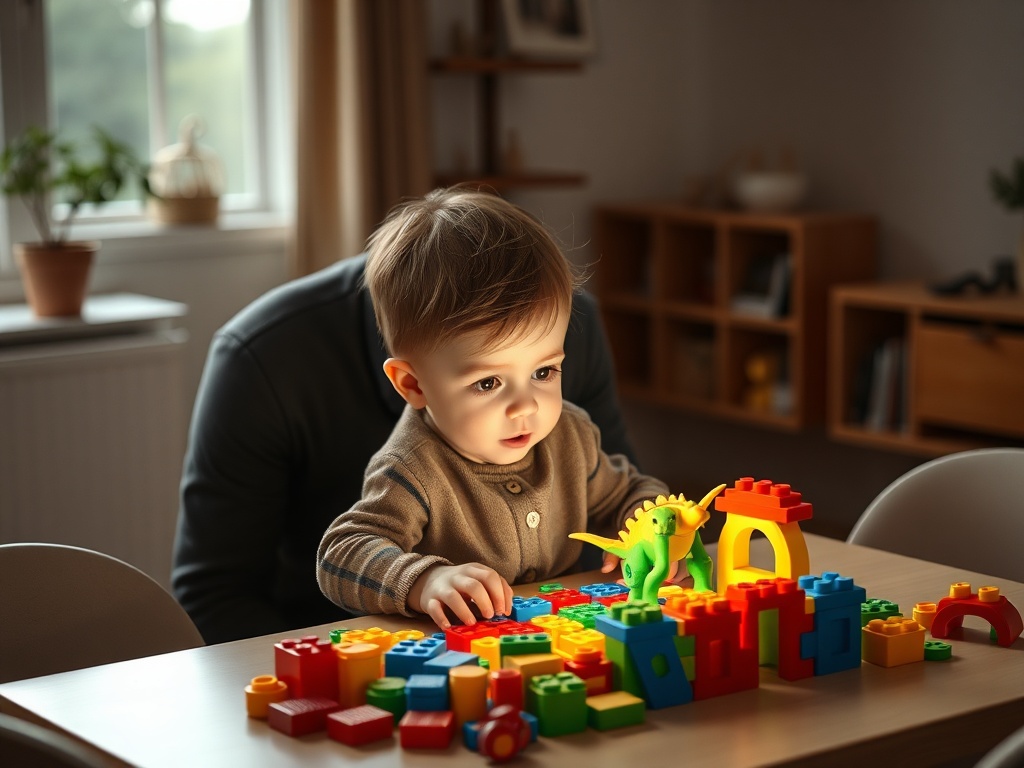
For 2026, I recommend focusing on toys that foster both critical thinking and creative problem-solving. Blocks, puzzles, and smart toys that incorporate augmented reality can transform traditional play into a multifaceted learning experience. These toys not only captivate the imagination but also encourage hand-eye coordination and spatial awareness, setting a strong foundation for lifelong learning.
Emotional Growth Through Play
Playtime is pivotal for emotional development. Through play, children express emotions and develop social skills, even when they’re interacting with inanimate objects. One of the highlights in our journey was when Emma bonded with a plush robot dog. She named him “Barky.” It was fascinating to observe how she nurtured Barky, feeding him imaginary treats and taking him on little adventures around the house.
Look for toys that promote nurturing behavior or that can be role-played with others. While these toys might seem simple, their impact is profound. They encourage empathy, cooperation, and communication, which are essential skills as your child grows into the wider world.
Eco-Friendly Options: Toys for a Sustainable Future
In 2026, sustainability is more than a trend; it’s a responsibility. As global awareness increases, the availability of eco-friendly toys has expanded tremendously. Knowing that our choices today shape the future for our children and their children, we have opted for toys that reflect our values.
One of our favorites is a line of biodegradable building blocks. Not only do these blocks teach sustainable living, but they also provide the added bonus of being compostable when no longer needed. Consider wooden toys sourced from certified renewable forests or plush toys made from organic cotton. These options ensure that fun and innovation don’t come at the planet’s expense.

The Future of Play: Technological Advancements
The integration of technology into toys has been one of the most significant advancements of the past decade. In 2026, smart toys run the gamut from AI-driven storytelling companions to augmented reality experiences that engage multiple senses. It’s essential, however, to maintain a balance between technological enrichment and traditional tactile exploration.
In our family, we’ve embraced this duality. While Emma enjoys her interactive storytime sessions with Lumi, the storytelling robot, she also delights in analog activities like playing in the sandbox or creating molds using imagination dough. Always be vigilant about screen time and ensure that technology enhances rather than substitutes genuine interaction and creativity.
Conclusion: Tailoring Choices to Your Child’s Unique Personality
Every child is unique, and what works for one might not work for another. As stay-at-home parents, we have the unique privilege of observing these preferences emerge firsthand. By aligning toys with Emma’s ever-evolving interests, we continuously cultivate an environment that nurtures her growth and happiness.
In crafting this heartfelt guide, my hope is to offer insights that will aid other parents navigating this exciting journey. Remember, the best toys are those that not only entertain but also teach, comfort, and inspire. Let your choices reflect the values and dreams you hold for your child, and watch them thrive in the wonder of play.
From the Shopmader Community
Real voices. Real play. We value every parent’s honest journey.