Free Toy Guide for 2026: Insights from a Montessori Educator
Hello, dear readers. I’m Elena, a passionate Montessori educator devoted to reshaping the way we think about toys and child development. In this guide, we will explore the fascinating world of toys and the valuable lessons I’ve learned throughout my years of working with children.
The Power of Simplicity
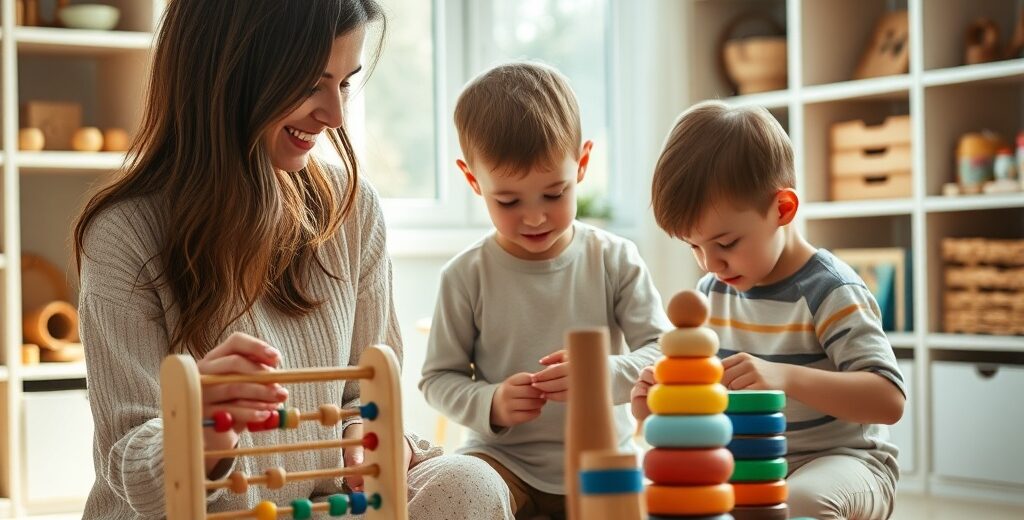
In our high-tech, fast-paced world, it’s easy to get swept up in the allure of electronic toys that blink and buzz for attention. But as a Montessori educator, I’ve seen firsthand the remarkable impact that simple, thoughtful toys can have on a child’s development. Montessori philosophy champions the notion that simplicity allows a child to exercise their creativity, focus, and problem-solving skills.
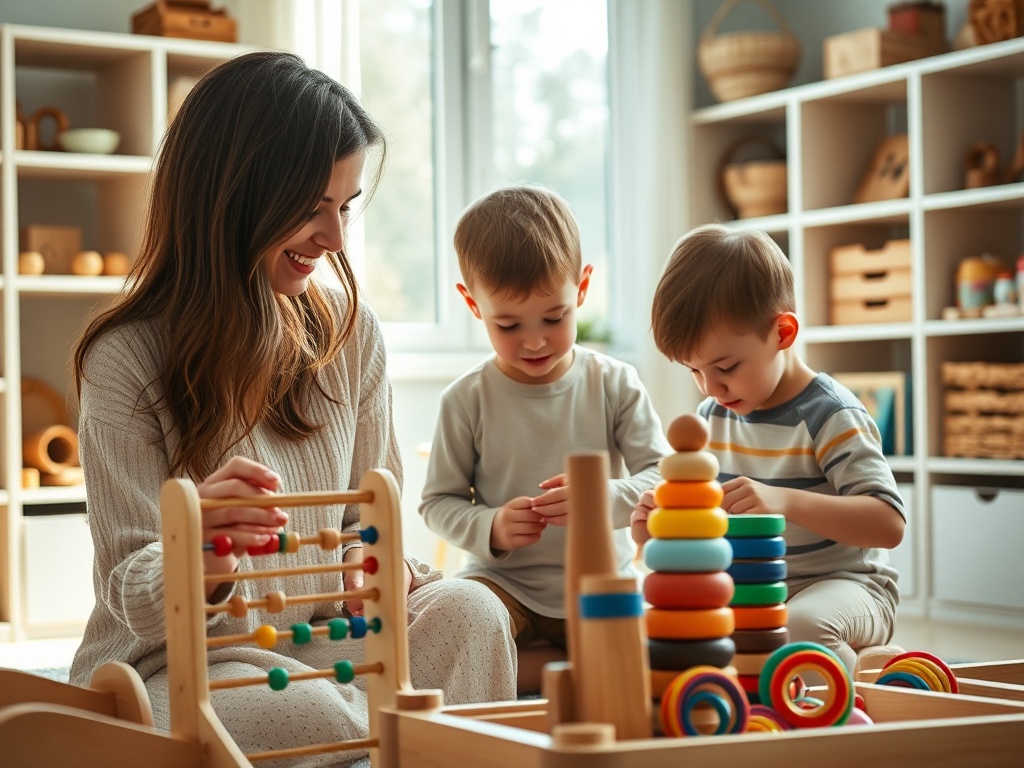
With 2026 on the horizon, many families are re-evaluating the toys that fill their homes. As manufacturers strive to create the ‘next big thing’, a return to simplicity can foster an environment where children thrive independently.
The Role of Open-Ended Play
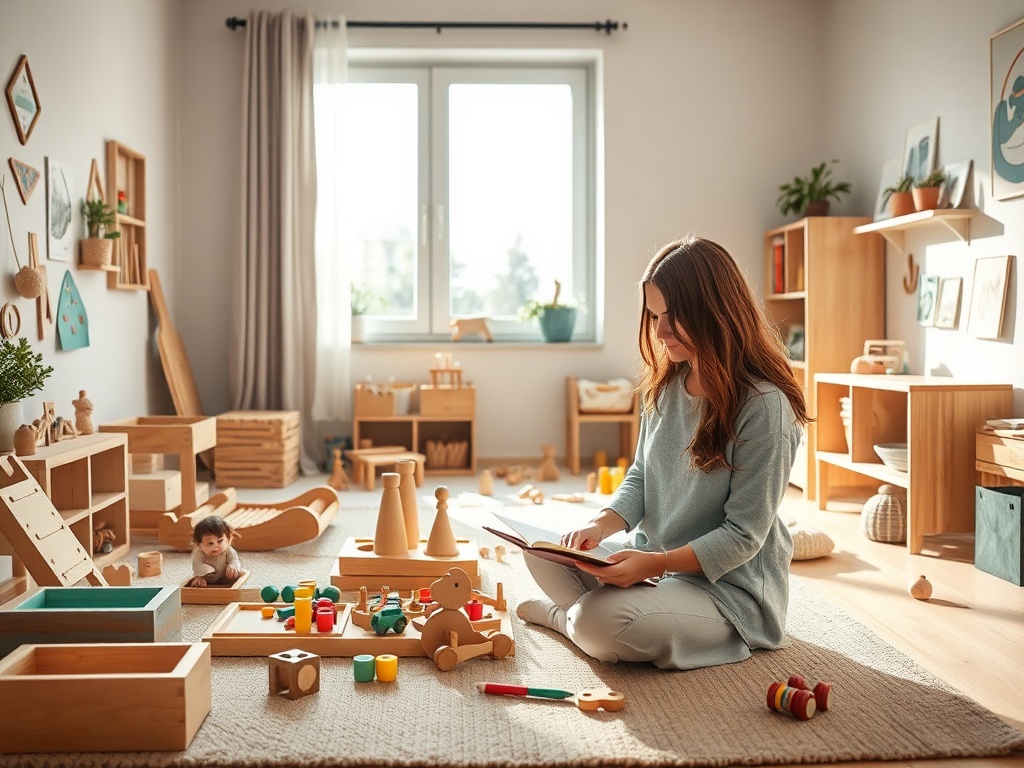
Open-ended toys are those that can be used in a variety of ways—there is no single way to interact with them. These toys are priceless in the developmental realm as they encourage freedom of thought and ingenuity. I often suggest wooden blocks, art supplies, and dolls without overt themes. Such toys don’t dictate a storyline; they invite children to create their own.
By embracing open-ended play, children learn to navigate complex emotional landscapes as they invent and negotiate scenarios. This ability to control and resolve situations through play is foundational for later life skills.
Inclusivity in Play
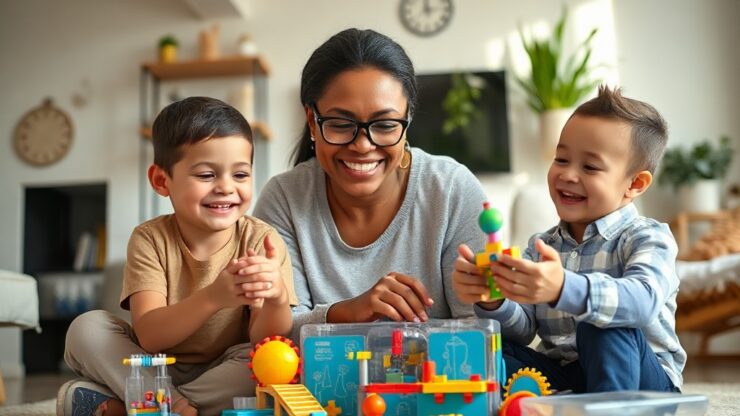
The toy industry has made strides in embracing diversity and inclusion, yet there’s still more ground to cover. Choosing toys that reflect our global society and all its rich cultures is crucial. It’s important for children to see themselves represented but also to gain an understanding of others’ experiences and traditions.
Think of dolls of varied ethnicities, stories from different cultures, and building sets that depict landmarks from around the world. These toys don’t just expand a child’s horizon; they cultivate empathy and understanding from a tender age.
Eco-Conscious Choices
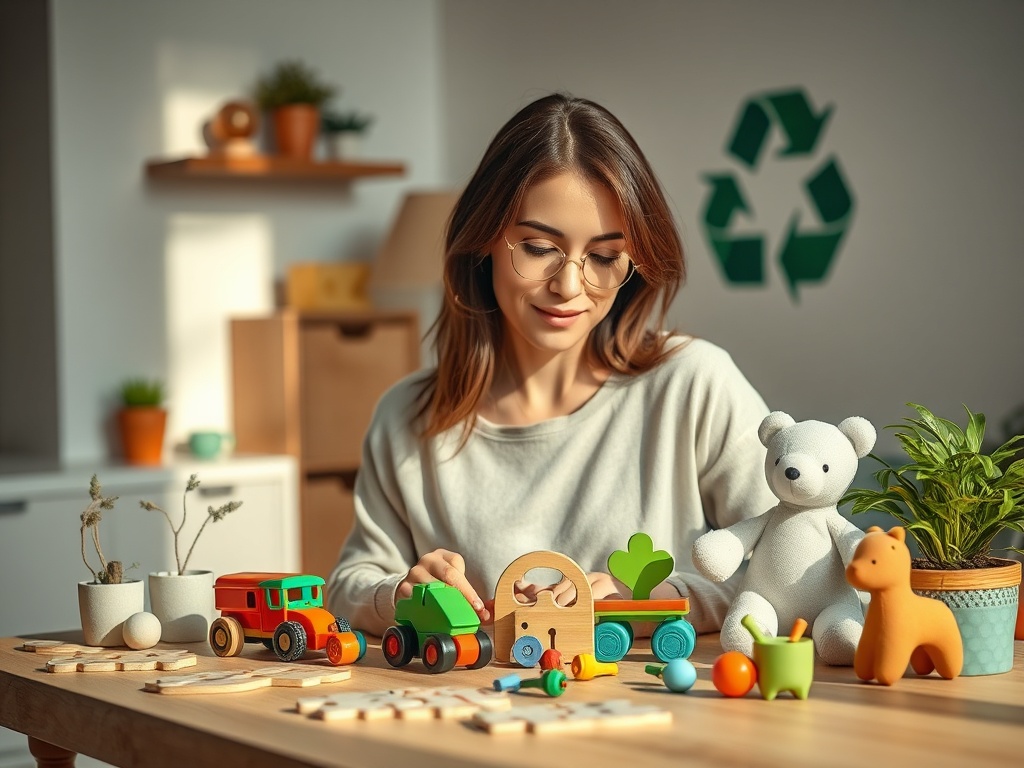
As awareness of environmental issues burgeons, so too does the demand for eco-friendly toys. Parents, educators, and children alike are finding beauty and quality in sustainable products. These toys, often crafted from responsibly sourced materials, are not only better for the Earth but also durable and timeless.
I take pleasure in recommending toys made from natural materials, such as organic cotton or recycled plastics. They introduce children to the concept of sustainability, teaching them that our planet’s resources are precious and finite.
Tech Toys: Balancing Innovation with Education
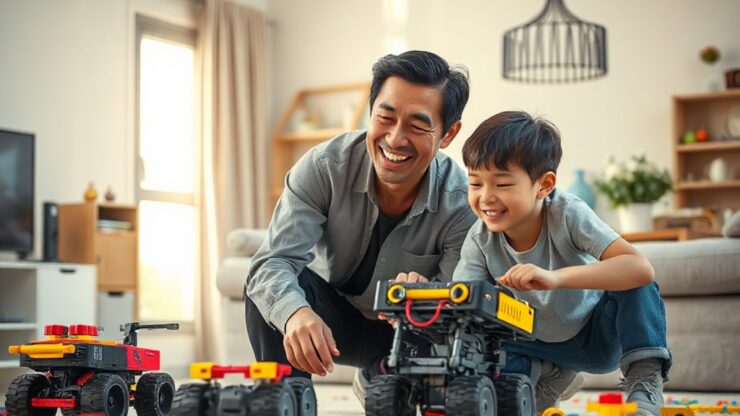
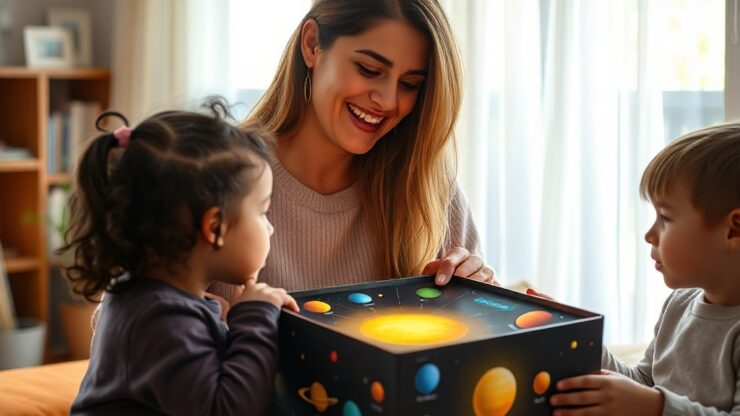
While technology cannot replace the authenticity of human interaction, tech toys do have their place in the learning spectrum. The key is to choose smart toys that are more than just entertainment. For example, programmable robots or interactive science kits can do wonders in nurturing a child’s interest in STEM fields.
In 2026, the aim should be to find a balance where tech toys support critical thinking and collaborative play rather than detract from genuine engagement. It’s all about harnessing innovation to inspire education in fun, meaningful ways.
As our toy landscape continues to evolve, my role in Montessori education fills me with hope. I see the unique potential each child possesses and the immense impact that well-chosen toys can make. May this guide inspire you, not just to fill a cart, but to cultivate a childhood full of wonder, curiosity, and brilliant growth.
Thank you for joining me on this heartfelt journey through the toys of 2026. I wish you all the joys and discoveries that parenting brings.
From the Shopmader Community
Real voices. Real play. We value every parent’s honest journey.