A Father’s Journey: Discovering the Best Baby Toys for Development
By Mike, proud stay-at-home dad
Introduction: My Baby’s First Giggles and Grabs
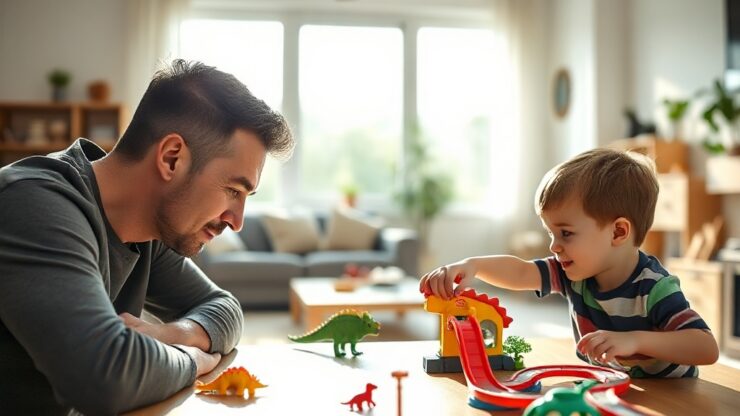
Being a stay-at-home dad has its own set of challenges and unparalleled joys. One of the most profound experiences for me was watching my son, Jacob, engage with his first toys. His innocent giggles and the sparkle in his eyes as he reached for his bright-colored toys were my initial lessons in how these seemingly simple objects could hold immense potential for his development.
Building Motor Skills: The Magic of Stacking Blocks
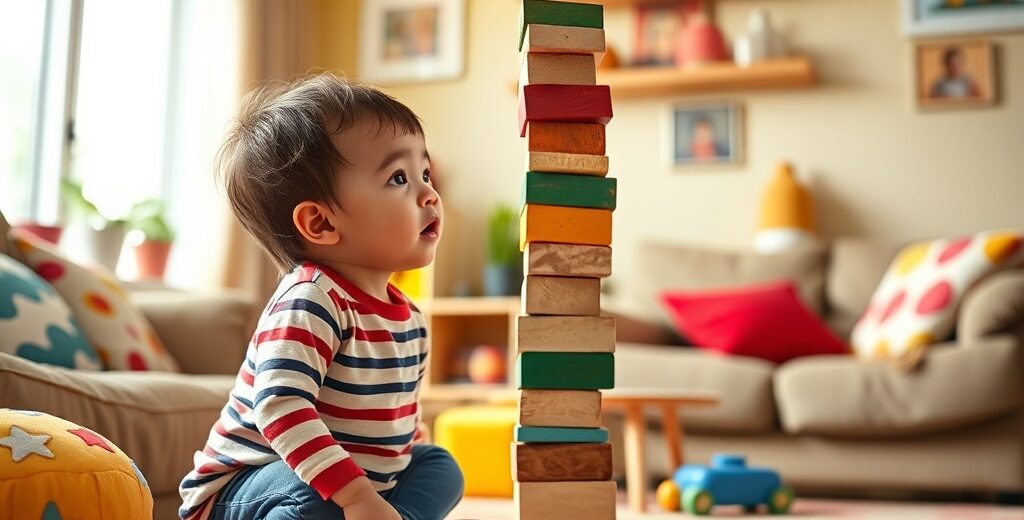
Early on, I realized the significance of toys in developing Jacob’s motor skills. A set of stacking blocks we received as a gift quickly became his favorite. The blocks were vivid, varied in shape, and slightly textured, perfect for little hands to grasp. Jacob’s determination to stack them, albeit with frequent tumbles, became a crucial part of his playtime routine. Watching him learn to balance the blocks, sense gravity, and improve his hand-eye coordination was nothing short of magical.
With patience and encouragement, those basic stacking blocks turned our living room floor into a bustling construction site of imagination and skill-building.
Sparking Imagination: The Versatility of Plush Animals
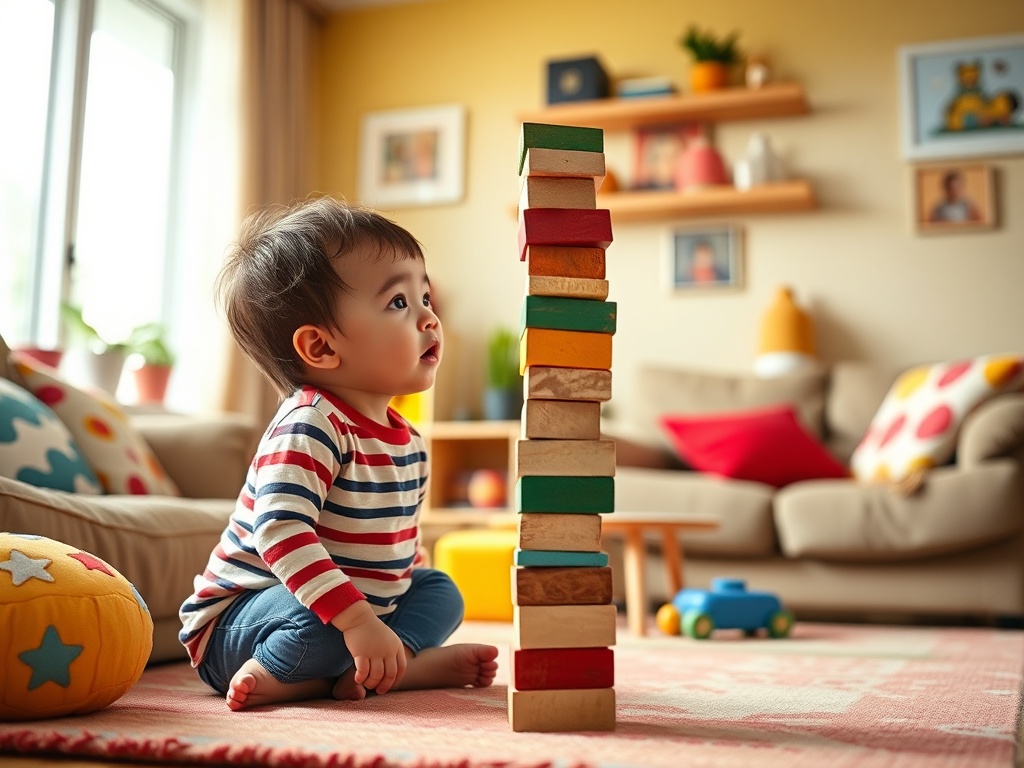
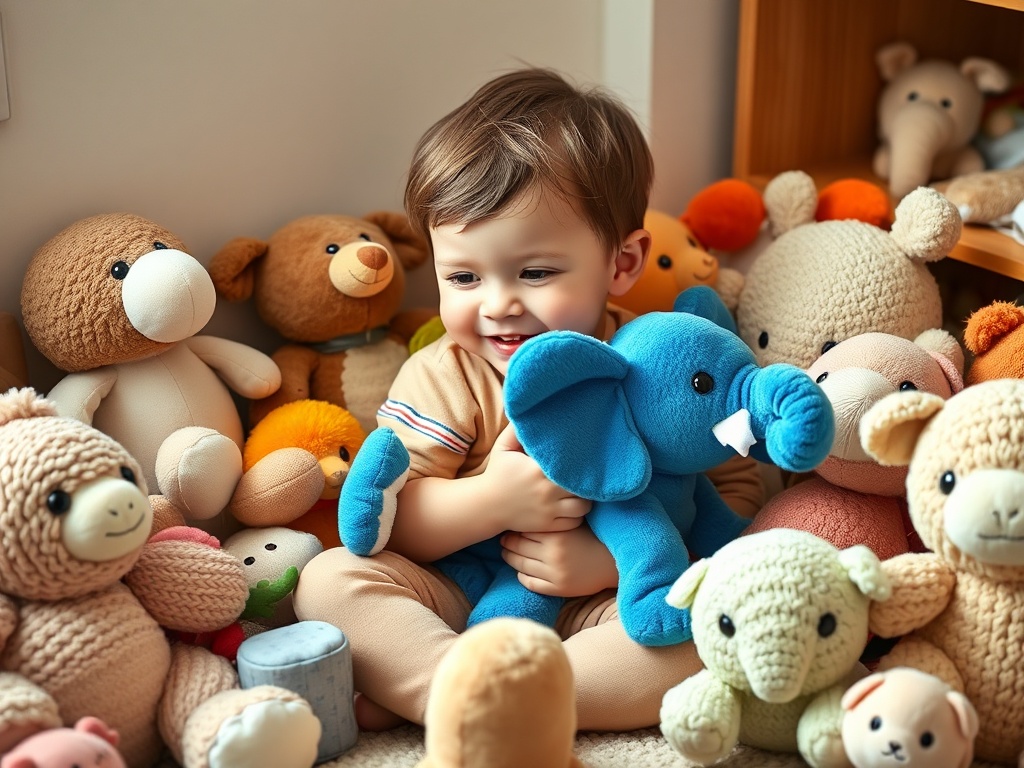
As Jacob grew, so did his imagination. His favorite plush animal, a soft blue elephant named Ellie, became more than just a cuddle buddy. It was his co-pilot in a spaceship, the companion on jungle safaris, and sometimes, a captive audience to his babbling stories. The versatility of a simple soft toy amazed me. It was during these creative play sessions that I discovered how toys could foster language development and enrich vocabulary.
Ellie taught Jacob compassion, comfort, and the importance of friendships. The little blue elephant became a gateway to limitless make-believe adventures.
Developing Cognitive Skills: The Allure of Puzzle Play
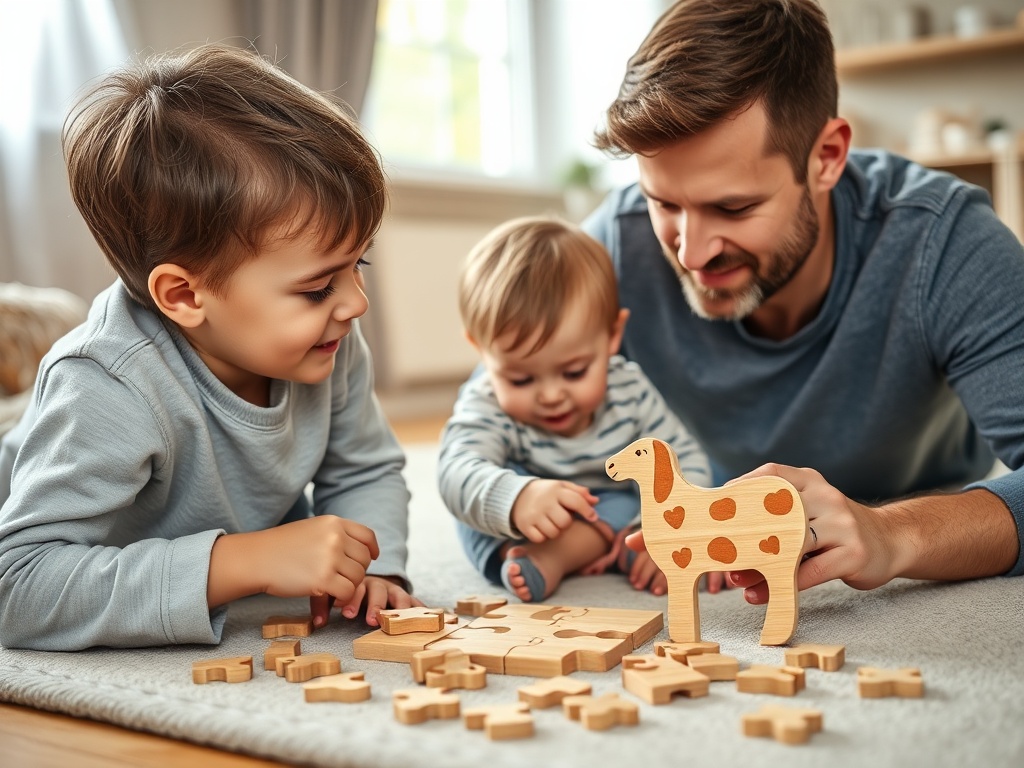
Once Jacob turned eighteen months, I introduced him to his first puzzle—a simple wooden set featuring farm animals. At first, he seemed more interested in the pieces themselves rather than fitting them back. But, with gentle guidance, he began understanding the concept of matching shapes and images. The fascinating part was observing his concentration as he placed each piece—an exercise in patience, problem-solving, and memory enhancement.
Puzzles became our shared playtime, moments where I marveled at how a simple toy could nurture cognitive abilities in subtle yet significant ways.
Discovering Musical Joys: The Appeal of Toy Instruments
In our exploration of developmental toys, musical instruments made an unforgettable mark. From a miniature drum set to a melodious xylophone, the sounds Jacob could create filled our home with joy. These instruments refined his auditory senses, instilled rhythm, and, perhaps more importantly, gave him a sense of achievement whenever a familiar tune echoed back. Music became our medium of expression and joy—as much an elixir for him as relaxing for me.
Jacob’s face lit up with happiness every time he banged the drum or tinkled the keys, a poignant reminder of the universal language that music could be.
Conclusion: The Role of Toys in Parenting
Reflecting on these experiences, it’s clear that toys are far more than mere distractions for children. They are the cornerstones of skill-building, imagination, and bonding. As a dad, I learned to appreciate and select toys thoughtfully, keeping Jacob’s development and happiness in mind. Their role in shaping his growth has proven indispensable.
As parents, it’s our privilege and duty to guide our little ones, making sure their playtime becomes as enriching as it is delightful. Toys indeed have an understated power, transforming giggles into learning moments for life.
From the Shopmader Community
Real voices. Real play. We value every parent’s honest journey.