Building Futures: A Heartfelt Journey with STEM Engineering Blocks
Introducing Sarah: A Loving Mom of Two
Hi there! My name is Sarah, and I’m a proud mom of two wonderful children, Emma and Liam. As a family, we’re all about learning through play, and I believe that fostering creativity and problem-solving skills early on is essential. That’s why when I stumbled upon STEM Engineering Blocks for kids, I was intrigued. Little did I know how much they would transform our playtime—and my children’s development.
The Magic of STEM Engineering Blocks
STEM stands for Science, Technology, Engineering, and Mathematics. These subjects have become increasingly important in our rapidly evolving world. I first heard about STEM Engineering Blocks from a friend, who raved about how these colorful blocks could help stimulate critical thinking and engage kids in engineering concepts without them even realizing they were learning.
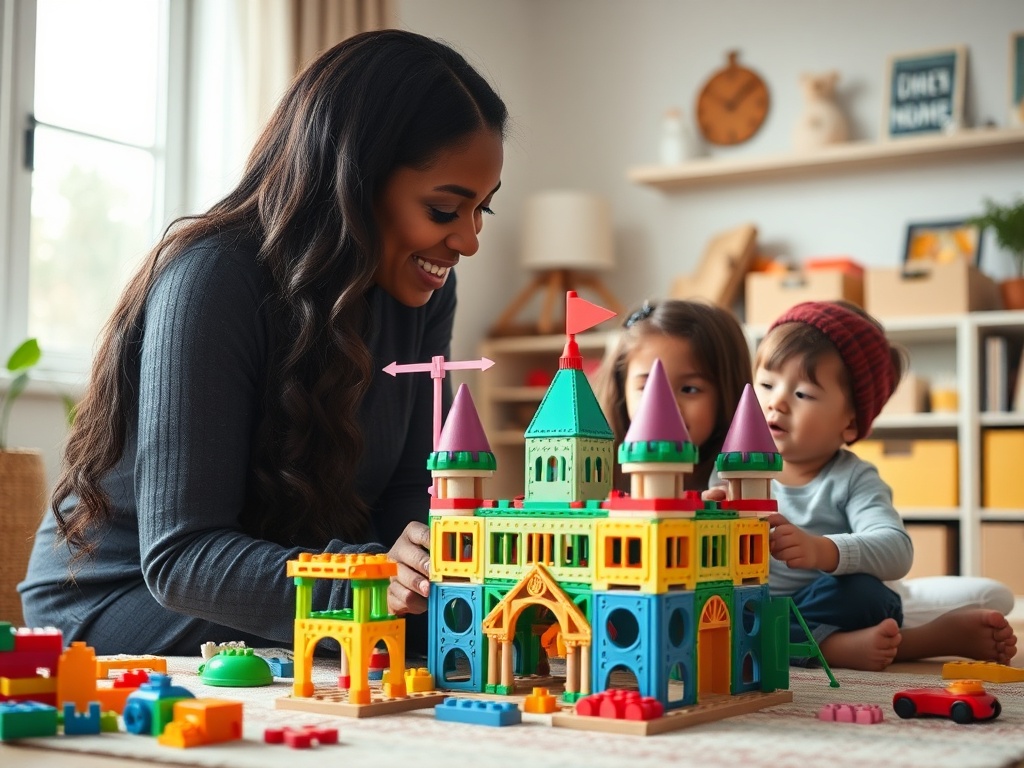
The blocks come in various shapes and sizes, designed to connect in multiple ways. They range from simple rectangles to more complex geometric figures which curtail the monotony of traditional toys. Each piece is lightweight and safe for little hands, making it easy for Emma, who is five, and Liam, who is three, to explore and build together.
Bonding Through Play
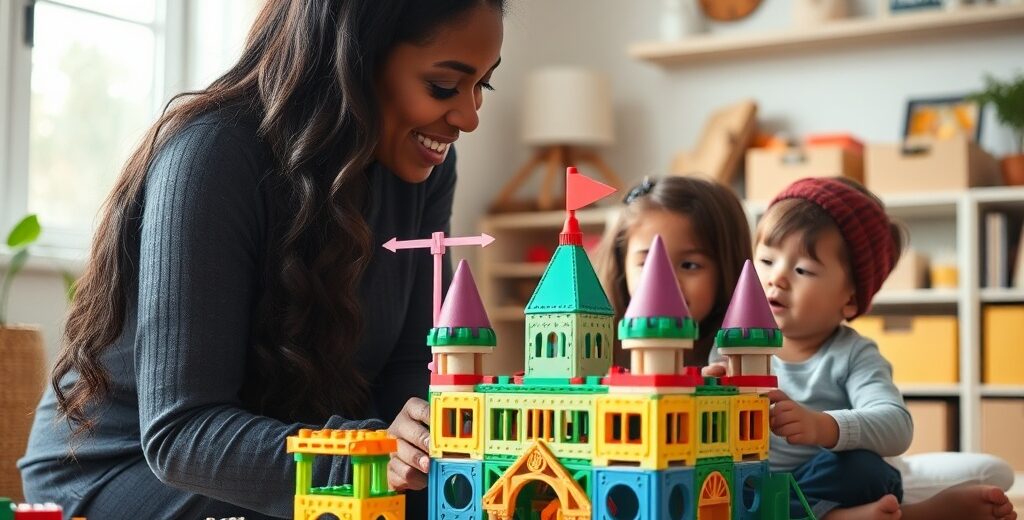
One of the most beautiful outcomes of introducing STEM blocks has been the quality time I get to spend with my children. The moment I handed Emma and Liam the first set of blocks, their eyes lit up like fireworks. They quickly dove into creating structures together. Watching them collaborate on projects has truly been heartwarming; sibling rivalry gave way to teamwork and communication.
“Can we make a bridge, Mommy?” Emma asked excitedly one afternoon. What started as a simple request turned into an engineering project that lasted hours. I was amazed at the way they communicated, negotiated designs, and, of course, problem-solved when their creations fell apart. With each failure, I encouraged them by saying, “Let’s learn from this!” and they quickly adjusted their designs. It was a beautiful lesson in perseverance.
The Educational Benefits
Beyond the joy of watching my kids play, I’ve seen how the STEM blocks benefit their cognitive development. Emma, being in kindergarten, uses her blocks to visualize concepts she learns in class—like shapes and spatial relationships. She often surprises her teachers with her understanding of building structures and the foundational principles of balance and support.
For Liam, even at three years old, the blocks are a fantastic tool for enhancing his motor skills. He loves stacking them, although sometimes his structures end up more abstract than functional! However, I’m amazed by how he learns the fundamental concepts of engineering while having fun. He shouts, “Oh look, I made a tower!” with glee, even if it collapses within seconds.

Creating a Learning Environment at Home
To amplify the impact of these engineering blocks, I decided to create a designated area in our living room as a ‘STEM station’. I filled it with the blocks, a few simple tools, and resources like books and tutorials on basic engineering concepts. This dedicated space has become a favorite hangout for both kids and their little friends.
I often join them, sometimes with a quick DIY project to showcase what we can achieve together. I love seeing how they mimic my actions, illustrating the principles of engineering right before my eyes. Setting up challenges like “build the tallest tower” or “make the most stable bridge” adds a competitive edge to our playtime, which they absolutely thrive on.
Encouraging Future Innovators
The world of STEM is vast and ever-evolving, and while I may not be an engineer, I am committed to raising two children who are not afraid to experiment and think critically. If these engineering blocks have taught me anything, it’s that curiosity drives innovation.
More than just toys, these blocks serve as tools for building confidence and resilience in my children as they explore the world around them. They realize that mistakes are part of learning—each tumble of blocks is a step closer to a more stable creation. This mindset is critical, not just in building structures, but in facing challenges life throws their way.
So, when I see Liam pointing excitedly at an ad for a local science fair, or hear Emma daydreaming about being an astronaut, I can’t help but think back to those afternoons spent building towers and bridges with basic blocks. I know that the seeds of their dreams are being cultivated right here in our living room.
Final Thoughts: The Gift of Play
Ultimately, what makes me the happiest is knowing that I am nurturing a love for learning in both of my kids. The STEM Engineering Blocks have not just occupied their time; they have transformed our family dynamic. They inspire creativity, critical thinking, and collaboration—all essential skills for the future.
So if you are a parent looking for an engaging way to introduce your children to engineering concepts while enjoying quality family time, I cannot recommend these blocks enough. They have become an integral part of our daily lives, filled with joy, laughter, and countless “Eureka!” moments. As a family, we are building the foundations of their futures, one colorful block at a time.

From the Shopmader Community
Real voices. Real play. We value every parent’s honest journey.