
Play Professionals Share Trends for This Year
As an active dad, I’ve always believed in the power of play. From the moment my kids could hold a toy, I’ve been fascinated by the various ways they engage with their world. This year, as the new school term began, I wondered what trends might shape the way our children play. To gain insight, I reached out to several Play Professionals, experts dedicated to understanding how play can enhance children’s development. Their thoughts were enlightening and inspiring, and I can’t wait to share them with you!
The Rise of Nature Play
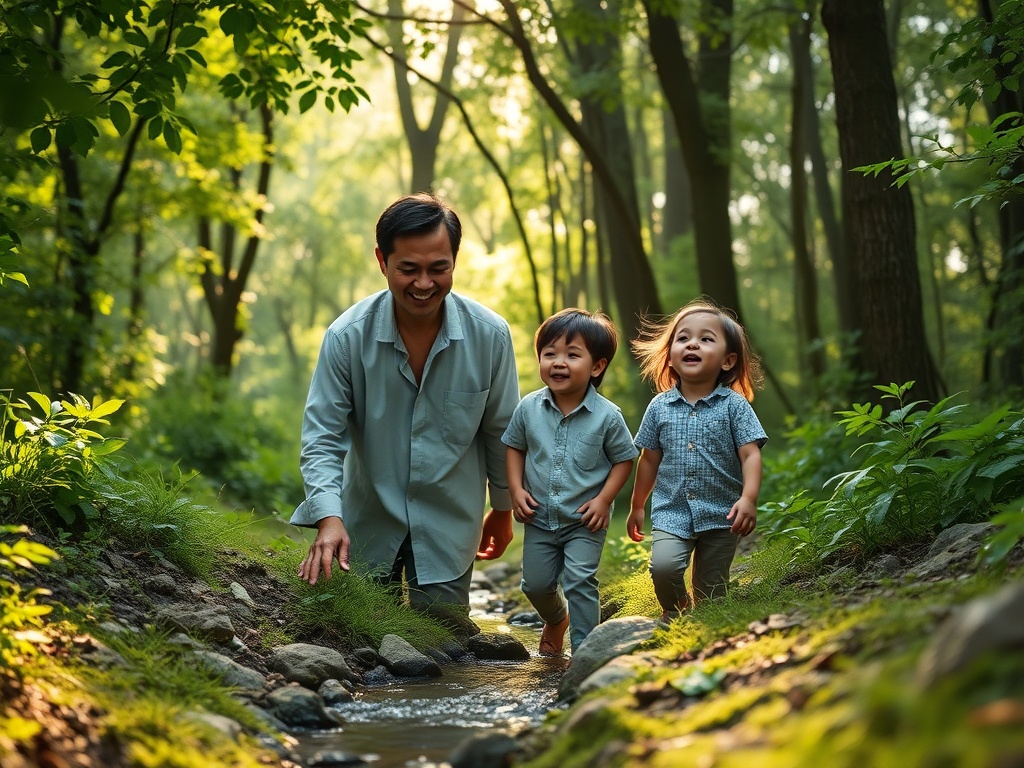
“Nature play is not just a trend; it’s a return to our roots,” said Sarah, a certified play professional specializing in outdoor educational programs. As we become increasingly aware of the benefits of allowing children to interact with the natural world, nature play has emerged as a prominent theme for 2023. Sarah noted that spending time outdoors fosters creativity, enhances problem-solving skills, and instills a sense of responsibility towards the environment.
It’s been a joy to watch my kids discover the little wonders of the outdoors. Whether it’s climbing trees, building forts with sticks, or observing bugs, every moment spent outside seems to spark their curiosity. I’ve planned monthly family adventures into nearby parks, immersing ourselves in exploration and learning. A memorable weekend was when they found a hidden stream, and the thrill of skipping rocks brought laughter I’ll cherish forever.
Mindfulness and Play
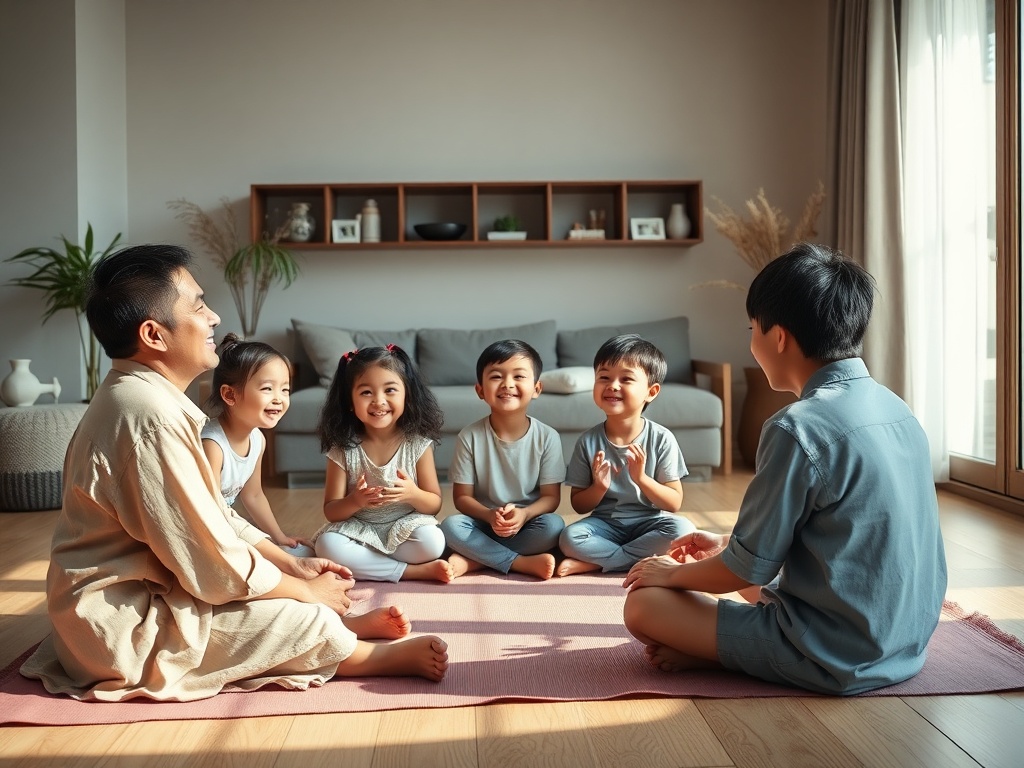
Another interesting trend mentioned by Leonardo, a play therapist, is the integration of mindfulness into play. “Kids experience a world of overwhelming stimuli. Teaching them to pause and engage mindfully can be transformative,” he explained. The importance of nurturing emotional resilience and self-regulation through play has never been clearer. Mindfulness practices such as yoga, meditation, and focused breathing can be woven into routine play to help children manage their emotions and anxiety.
In our household, we’ve embraced this idea wholeheartedly. Family game nights now include a round of gratitude exercises before diving into our favorite activities. This simple act has promoted deeper conversations among us, where my kids express what they’re thankful for before we unleash our competitive spirits in board games. It has created a warm environment that fosters love and connection, particularly during these hectic weeks.
Inclusive Play Spaces
Inclusivity in play is another significant theme for this year. “Ensuring that play spaces accommodate children of all abilities is paramount,” said Mia, who works with diverse families and community play initiatives. This year, there’s a strong push for designing parks and playgrounds that welcome children, regardless of their physical, sensory, or developmental challenges.
It’s heartwarming to see various swings and play structures tailored for different needs popping up in our local parks. My son’s best friend has mobility challenges, and the joy they both felt on a morning outing—completely free to explore a fully accessible playground—was indescribable. Inclusive play not only teaches empathy but also cultivates friendships, reminding us of the unifying power of play.
Technology as a Play Tool
Technology is a double-edged sword in the realm of play, and understanding how to use it wisely can be an exciting trend. Jamie, an education technologist, stressed that technology should not replace traditional play but enhance it. “Interactive apps and games can facilitate social interactions and learning experiences when used mindfully,” he noted.
At home, we’ve started incorporating educational games that encourage collaboration. My kids often come together for coding camps or robotics classes. Watching them problem-solve and take pride in their creations not only expands their skill set but also instills a sense of camaraderie. Our joint projects, whether building a robot or creating a digital story, have become cherished family bonding time where everyone’s input matters.
The Importance of Unstructured Play
Lastly, the value of unstructured play was a key focus for all the professionals I spoke with. Play that isn’t structured by adults allows kids the freedom to explore, create, and imagine. “Unstructured play is essential for cognitive and emotional development,” Julie said, a childhood educator. “It promotes independence and fosters innovation.” However, in today’s busy lives, giving children the freedom to play without organized schedules can seem trivial.
Recognizing this, I’ve been making a conscious effort to create “free play” times. Whether it’s a long afternoon in the backyard or a weekend of unplanned adventures, I’ve seen my kids thrive in their own elements. They’ve sparked imaginative games where they turned the simplest items—a cardboard box, for instance—into a spaceship or castle. Observing their creativity unfold is a reminder of the beauty that exists in simplicity and the power of letting go.
Conclusion
The insights from Play Professionals have inspired me to be more intentional with how we navigate play in our family. As we embrace nature play, mindfulness, inclusivity, technology as a tool, and the importance of unstructured time, I believe we can cultivate a more enriching environment for our children. Play is an art, and as parents, our role is not just to supervise but to engage and nurture that artistry. Here’s to another year of adventure-filled moments, laughter, and lasting memories with our little ones!
From the Shopmader Community
Real voices. Real play. We value every parent’s honest journey.