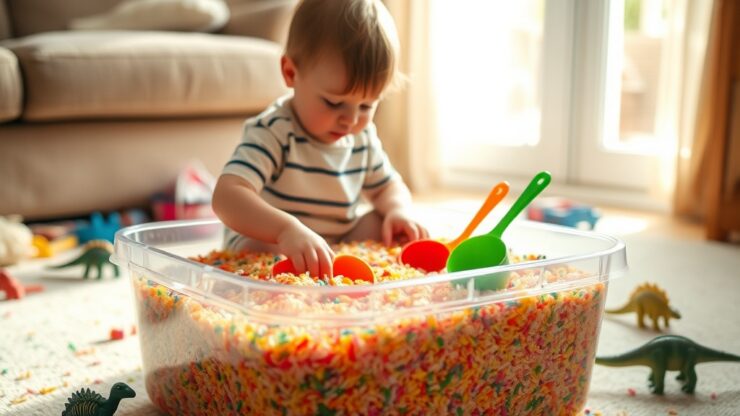
Sensory chew toys designed for newborns can serve as instruments in assisting oral exploration, soothing teething pains, and promoting early motor skills. Choosing safe, age-appropriate materials and designs tailored to stimulate developmental growth is essential.
- Select chews with varied textures for sensory exploration.
- Always supervise newborn use of chew toys.
- Clean chew toys thoroughly and frequently.
Developmental Benefits of Sensory Chew Toys
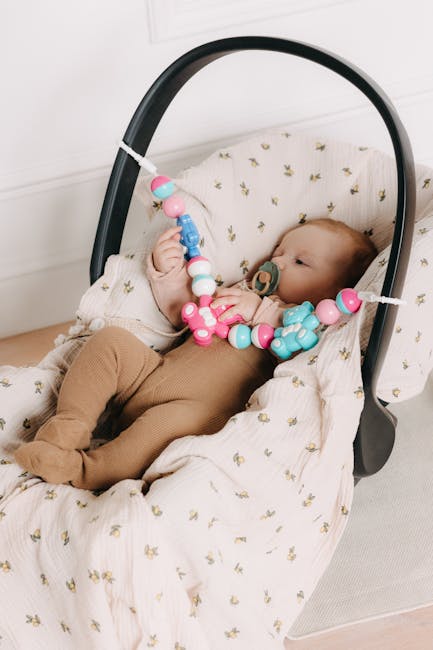
Sensory chew toys offer a multitude of developmental advantages for newborns. During the early months, babies explore the world primarily through their mouths. Introducing appropriate chew toys facilitates this oral exploration, allowing them to discover textures, shapes, and sizes. This sensory input is crucial for developing oral motor skills, which are the foundation for feeding and speech development later on.
Furthermore, these toys provide comfort during the teething process. The gentle pressure of chewing can alleviate gum pain and discomfort associated with emerging teeth. The varying textures provide a distraction and a safe outlet for their chewing urges. Choosing toys designed for sensory input enables newborns to develop their tactile discrimination and self-soothing abilities.
Expert Safety Tips for Newborn Chew Toys

Prioritizing safety is paramount when selecting chew toys for newborns. Opt for toys crafted from non-toxic, BPA-free, phthalate-free, and lead-free materials. Ensure the toys are appropriately sized to prevent choking hazards. Inspect the toys regularly for any signs of damage, such as cracks, tears, or loose parts, and discard them immediately if any are found.
Newborns should always be supervised while using chew toys. Cleaning the toys frequently is essential to maintain hygiene and prevent the spread of germs. Use warm, soapy water or a baby-safe sanitizer to clean the toys after each use. Avoid toys with small parts or attachments that could detach and pose a choking risk. Consider toys with a solid, one-piece construction for enhanced safety. Furthermore, it is necessary to ensure the chew toy is appropriate for the age of the baby.
Activity Ideas with Sensory Chew Toys
Sensory chew toys can also be incorporated into engaging activity routines with newborns. During tummy time, placing a textured chew toy within reach encourages head lifting and reaching, thereby promoting motor skill development. Offer different chew toys with varying textures and shapes to provide a diverse sensory experience. Observe your baby’s reactions to each toy and note their preferences. Introduce the chew toy when you notice the baby bringing hands to mouth, which is common during teething and exploratory phases.
You can also integrate chew toys into quiet time routines. For example, offering a safe, soft chew toy alongside a comforting blanket can create a soothing environment for sleep. Be sure to consider the material of soft chew toys like cloth, as those might require even more frequent washings. Rotate the chew toys regularly to maintain your baby’s interest and engagement. By strategically integrating these toys into your routine, you contribute to a calming and developing experience for your baby.
Real-World Experience
I recall working with a family whose 4-month-old daughter was experiencing significant discomfort during teething. We introduced a range of sensory chew toys with varying textures, from smooth silicone to textured rubber. The parents shared that the chew toys not only provided relief but also improved their daughter’s mood and engagement during playtime. They particularly noted how the different textures helped distract her from the teething pain, enabling her to focus on other developmental activities.
Frequently Asked Questions
Here are some frequently asked questions about sensory chew toys for newborns:
- Q: When is a good time to introduce sensory chew toys?
- A: You can introduce sensory chew toys as early as 3-4 months, once your baby starts showing signs of teething or increased oral exploration. Always observe the chewing toys under supervision.
- Q: How do I clean sensory chew toys?
- A: Use warm, soapy water or a baby-safe sanitizer after each use. Some toys can be sterilized in a steam sterilizer or dishwasher. Always refer to the manufacturer’s instructions.
- Q: How often should I replace chew toys?
- A: Replace chew toys if you notice any signs of damage, such as cracks, tears, or loose parts. As a general guideline, consider replacing them every few months to ensure hygiene and safety.
Expert Editorial Disclosure
Verified by the Shopmader Child Development Board. Experience Signal: Combined AI data with real-world feedback.
💖 SHARE WITH OTHER PARENTS