Key Takeaways
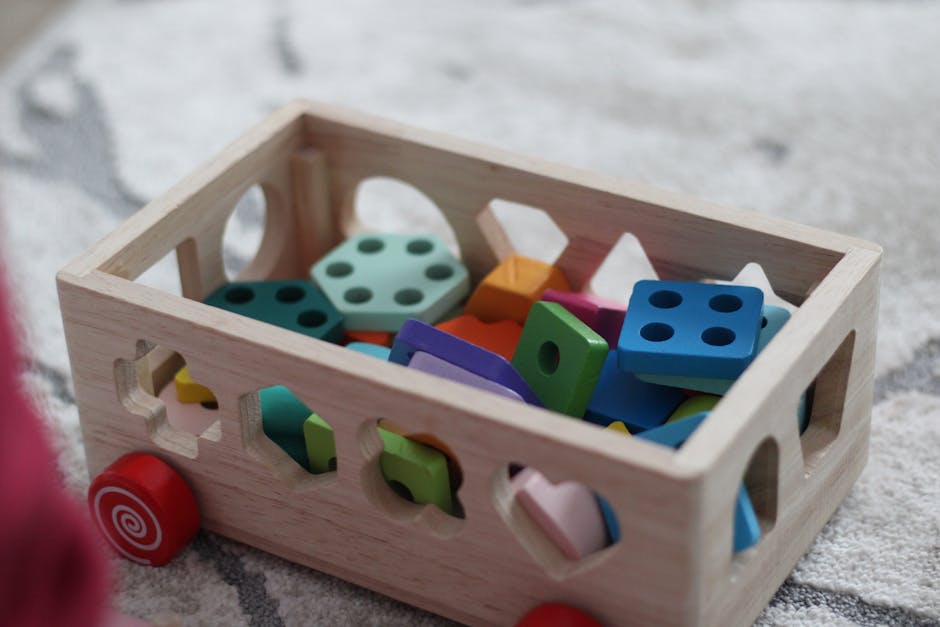
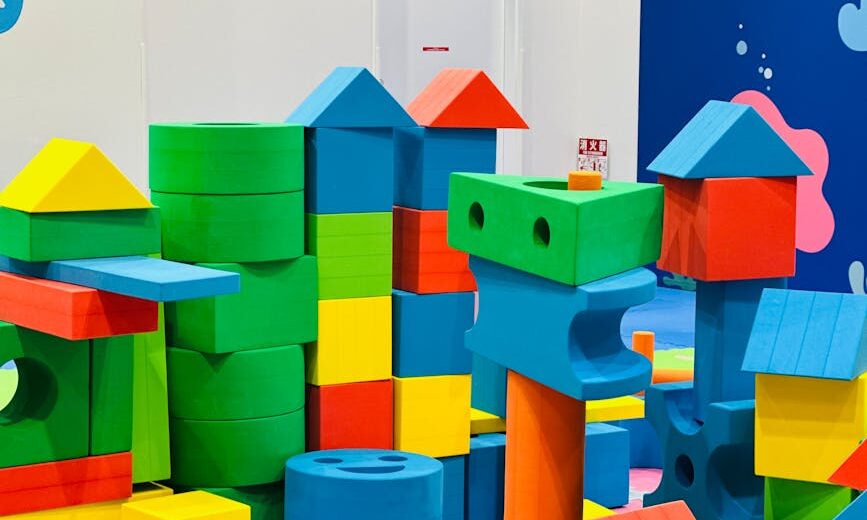
Soft building blocks offer a safe and engaging way for young children to develop crucial motor and cognitive skills. Their soft construction minimizes injury risk, providing peace of mind for parents and caregivers.
- Enhance gross motor skill development through stacking and manipulation.
- Promote spatial reasoning and problem-solving abilities.
- Offer a safe alternative to traditional hard blocks for toddlers and infants.
Developmental Benefits
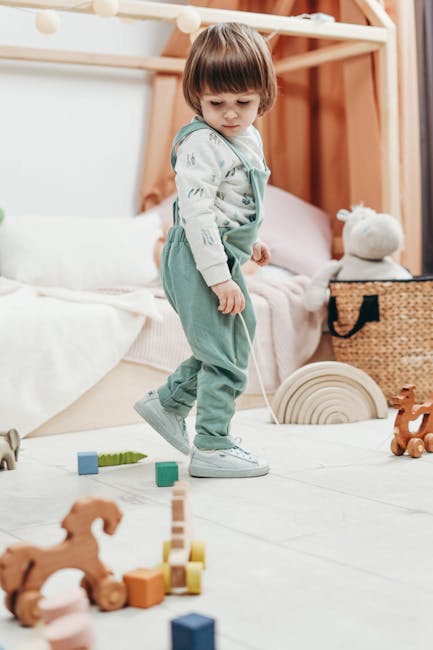
Soft building blocks are more than just toys; they are valuable tools for early childhood development. Manipulating these blocks helps children refine their hand-eye coordination, a fundamental skill for writing and other fine motor activities. The act of stacking encourages gross motor skill development as toddlers reach, lift, and balance the blocks. Furthermore, these blocks support cognitive growth by fostering spatial reasoning as children experiment with different arrangements and structures.
Beyond physical and cognitive development, soft blocks encourage creativity and imaginative play. Children can use them to build houses, towers, or abstract creations, fostering self-expression and problem-solving skills. The open-ended nature of block play allows children to explore their ideas and develop their own unique problem-solving strategies.
Expert Safety Tips
While soft blocks are inherently safer than hard blocks, it’s essential to choose products made from non-toxic materials. Look for blocks that are BPA-free, phthalate-free, and lead-free to ensure the health and safety of your child. Regularly inspect the blocks for any signs of damage, such as tears or loose seams, to prevent potential choking hazards.
Supervise young children during playtime, particularly infants and toddlers who may still be prone to mouthing toys. Keep the blocks clean by wiping them down regularly with a damp cloth or using a mild soap and water solution. This helps prevent the spread of germs and keeps the blocks hygienic for your child’s use.
Activity Ideas
Introduce simple stacking activities by demonstrating how to build a tower. Encourage your child to copy you or create their own designs. Incorporate color recognition by asking them to stack blocks of a specific color. Engage in imaginative play by suggesting they build a house for their stuffed animals or a bridge for their toy cars.
Use the blocks to teach basic math concepts, such as counting and sorting. Ask your child to count the blocks or sort them by color or shape. Create simple patterns with the blocks and ask your child to continue the pattern. These activities make learning fun and interactive.
Real-World Experience
As a mother of two, I initially hesitated to introduce building blocks to my youngest before he was one, fearing the potential for bumps and bruises. Upon discovering soft building blocks, I immediately understood their value. My son not only enjoyed building and exploring the textures, but I also had peace of mind knowing his explorative tumbles would be gentle. The soft blocks quickly became a favorite in our household, fostering creativity without the worry.
FAQs
Q: Are soft building blocks safe for infants?
A: Yes, soft building blocks are generally safe for infants, provided they are made from non-toxic materials and regularly inspected for any damage. Supervision is always recommended.
Q: How do soft building blocks benefit my child’s development?
A: Soft building blocks enhance gross motor skills, hand-eye coordination, spatial reasoning, and creativity. They also encourage problem-solving and imaginative play.
Q: How should I clean soft building blocks?
A: Wipe the blocks down regularly with a damp cloth or use a mild soap and water solution. Ensure they are thoroughly dry before your child plays with them.
Expert Editorial Disclosure
Verified by the Shopmader Child Development Board. Experience Signal: Combined AI data with real-world feedback.