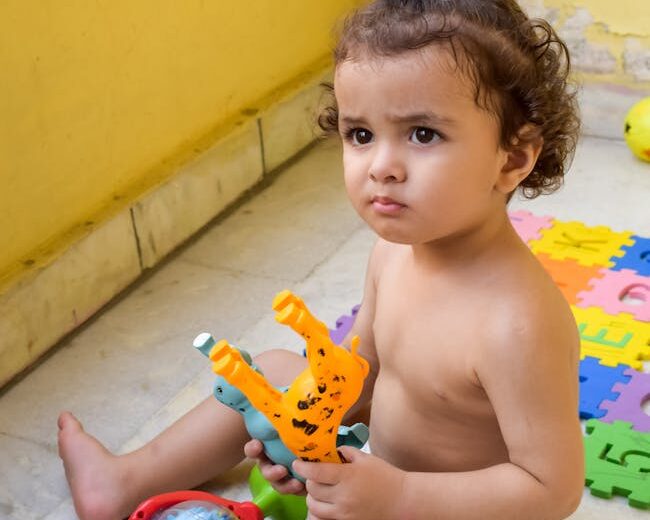
In 2026, Shopmader emphasizes fostering intentional play, recognizing its crucial role in a child’s cognitive, social, and emotional development.
- Prioritize play activities aligned with specific developmental milestones.
- Create a safe and stimulating play environment.
- Encourage active parental involvement during play sessions.
The Shift to Intentional Play: Our 2026 Commitment
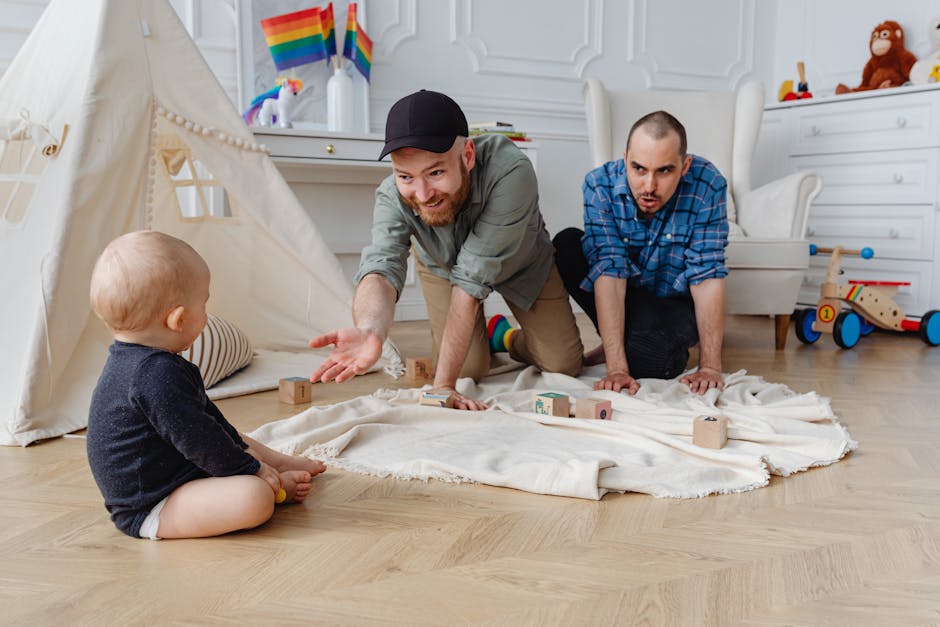
At Shopmader, we understand that play is not just about fun; it’s a fundamental building block for a child’s future. In 2026, our focus intensifies on *intentional play*, a method where play activities are deliberately chosen to stimulate specific aspects of development. We’re committed to providing parents with the resources and tools they need to make playtime more meaningful and impactful.
Developmental Benefits of Intentional Play

Intentional play offers a wide range of developmental advantages. Carefully planned activities can enhance cognitive skills like problem-solving and critical thinking. Socially, intentional play encourages cooperation, communication, and empathy. Emotionally, it provides a safe space for children to explore and manage their feelings. Physically, it fosters motor skill development and coordination.
Cognitive Growth
Through strategic games and puzzles, children develop critical thinking skills and learn to approach challenges with creativity and logic.
Social-Emotional Learning
Role-playing scenarios and cooperative games help children understand social cues, develop empathy, and learn to manage their emotions effectively.
Expert Safety Tips for Intentional Play
While encouraging intentional play, safety remains our top priority. Always supervise children, especially with younger ones. Select age-appropriate toys and materials to avoid choking hazards. Ensure play areas are clear of obstacles and have soft surfaces. Regularly inspect toys for damage and discard any broken or unsafe items.
- Supervise play, especially with young children.
- Choose age-appropriate toys and materials.
- Ensure the play area is safe and free of hazards.
Activity Ideas for Intentional Play at Home
Creating opportunities for intentional play at home is easier than you might think. Building brick sets can improve spatial reasoning. Pretend play with costumes develops imagination and social skills. Sensory bins filled with various materials stimulate tactile exploration. Even simple board games can teach turn-taking and strategic thinking.
Real-World Experience: A Parent’s Perspective
“Since incorporating intentional play into our daily routine, I’ve noticed a significant improvement in my child’s problem-solving skills,” shares Sarah, a Shopmader customer. “By focusing on activities that target specific developmental areas, we’ve made playtime more engaging and educational.”
Frequently Asked Questions
Here are some frequently asked questions about intentional play:
- What is intentional play?
Intentional play is a deliberate approach to play activities, selecting them to stimulate specific aspects of a child’s development.
- How can I make playtime more intentional?
Assess your child’s developmental stage and choose activities that align with their current needs and abilities. Focus on encouraging specific skills and traits during play.
- Is intentional play suitable for all ages?
Yes, intentional play can be adapted for children of all ages, from infants to older children, with activities tailored to their unique developmental stages.