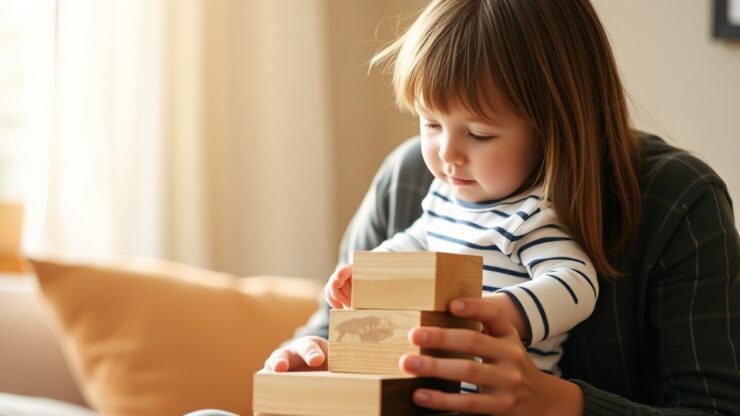
Step stones are excellent tools for developing balance and agility in children, fostering gross motor skills and coordination.
- Enhance gross motor skills and coordination.
- Promote spatial awareness and problem-solving.
- Offer a fun and engaging physical activity.
Developmental Benefits
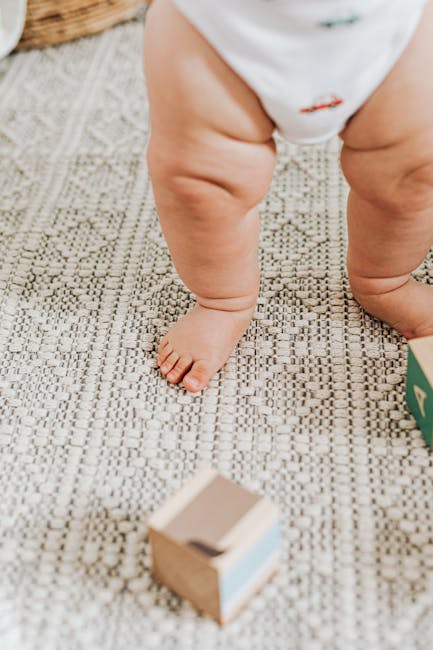
Step stones provide a dynamic and engaging platform for children to develop critical gross motor skills. These skills are essential for performing everyday activities such as walking, running, and jumping.
Navigating step stones challenges children to improve their balance by requiring them to constantly adjust their center of gravity. This exercise strengthens core muscles and improves overall postural control.
Agility is another key benefit, as children learn to quickly change direction and adapt their movements. This not only improves physical coordination but also enhances spatial awareness, allowing them to better understand and interact with their environment.
Expert Safety Tips
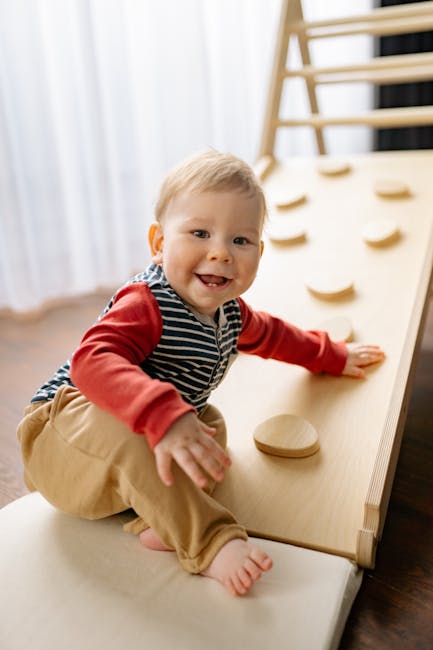
Safety is paramount when using step stones. Always supervise children during play to prevent falls and injuries. A soft landing surface, such as a mat or carpet, is recommended.
Start with a small number of step stones and gradually increase the complexity as the child’s skills improve. Ensure the step stones are stable and non-slip to prevent accidents.
Teach children to walk, not run, across the step stones. Encourage them to focus on their movements and maintain a steady pace. Clear the surrounding area of any obstacles that could pose a tripping hazard.
Activity Ideas
Create a simple obstacle course using the step stones. Vary the distances between each stone to challenge the child’s balance and coordination.
Incorporate step stones into games like “Follow the Leader” or “Red Light, Green Light” to make physical activity more engaging and fun. These games enhance cognitive skills along with physical abilities.
Use step stones to create a pathway for storytelling. Encourage children to hop between the stones while narrating a story, promoting both creativity and physical activity.
Real-World Experience
I’ve observed firsthand how children, even those initially hesitant, quickly gain confidence and proficiency with step stones. A child who struggled with balance beams in gymnastics significantly improved their stability and coordination after consistently using step stones at home for just a few weeks. This improvement translated into greater confidence and success in other physical activities as well.
The joy and sense of accomplishment children experience while mastering these challenges is truly remarkable. They learn to assess risks, problem-solve, and celebrate their progress, building resilience and a positive attitude towards physical activity.
Frequently Asked Questions
Q: At what age can children start using step stones?
A: Children typically can start using step stones around 18 months to 2 years old, but always under supervision. Start with larger, more stable stones and shorter distances.
Q: How can I clean the step stones?
A: Most step stones can be cleaned with mild soap and water. Refer to the manufacturer’s instructions for specific cleaning recommendations.
Q: Are step stones suitable for indoor and outdoor use?
A: Many step stones are designed for both indoor and outdoor use. Check the product specifications to ensure they are weather-resistant and appropriate for the intended environment.