Toy Trends 2026: What’s Hot and What’s Next

As parents navigate the ever-evolving world of play, understanding emerging toy trends is crucial. By 2026, expect to see a significant shift towards toys that are not only entertaining but also educational, sustainable, and inclusive. Here’s a comprehensive overview of the key trends shaping the future of play:
Sustainability Takes Center Stage
Environmental consciousness is no longer a niche concern; it’s a mainstream value. Toy manufacturers are responding with a renewed focus on eco-friendly materials and practices. Expect to see:
- Bioplastics: Toys made from renewable resources like sugarcane, cornstarch, and wood pulp will become increasingly prevalent, reducing reliance on fossil fuels.
- Recycled Materials: Increased use of recycled plastics and other post-consumer materials will minimize waste and promote a circular economy.
- Sustainable Packaging: Minimalist packaging, biodegradable materials, and commitments to reducing packaging waste will be standard practice.
- Durable, Long-Lasting Toys: A shift away from disposable “fast toys” towards durable, heirloom-quality toys designed to be passed down through generations.
STEM and STEAM Education Remains a Priority
The demand for toys that foster skills in science, technology, engineering, arts, and mathematics will continue to grow. Look for:
- Coding Toys for Younger Children: Simplified coding concepts introduced through playful interfaces and age-appropriate challenges will engage pre-schoolers and early elementary students.
- Robotics Kits with Expanded Functionality: More sophisticated robotics kits will encourage advanced problem-solving and creative engineering.
- Augmented Reality (AR) Enhanced Learning: AR technology will be integrated into traditional toys to create immersive and interactive learning experiences. For example, AR-enabled anatomy models or historical simulations.
- Focus on Design Thinking: Toys that encourage children to identify problems, brainstorm solutions, prototype ideas, and test their creations will be highly sought after.
Inclusivity and Representation Matters
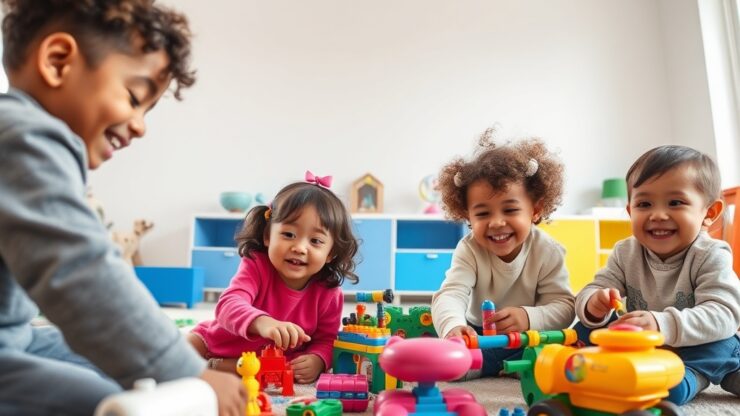
Parents are increasingly demanding toys that reflect the diversity of the world around them. Expect to see:
- Diverse Representation in Dolls and Action Figures: A wider range of skin tones, body types, abilities, and cultural backgrounds will be represented in toy characters.
- Gender-Neutral and Gender-Inclusive Toys: Toys marketed to all children, regardless of gender, will continue to gain popularity.
- Toys That Address Disabilities: Toys designed to be accessible and engaging for children with disabilities will become more readily available. This includes adaptive toys and toys that promote understanding and empathy.
- Stories and Characters That Promote Inclusion: Books, games, and other toys will feature stories and characters that celebrate diversity and challenge stereotypes.
The Rise of Phygital Play
The line between the physical and digital worlds continues to blur. “Phygital” toys, which combine physical play with digital elements, are becoming increasingly popular. Look for:
- Interactive Storytelling Platforms: Toys that interact with digital storybooks, creating immersive and personalized storytelling experiences.
- Gaming Consoles Designed for Young Children: User-friendly gaming consoles with age-appropriate games that encourage physical activity and social interaction.
- Educational Apps That Integrate with Physical Toys: Apps that enhance the learning experience by providing interactive tutorials, challenges, and feedback.
Sensory and Emotional Development
Beyond academics, toys that promote sensory exploration, emotional regulation, and social-emotional learning (SEL) will be in high demand. This includes:
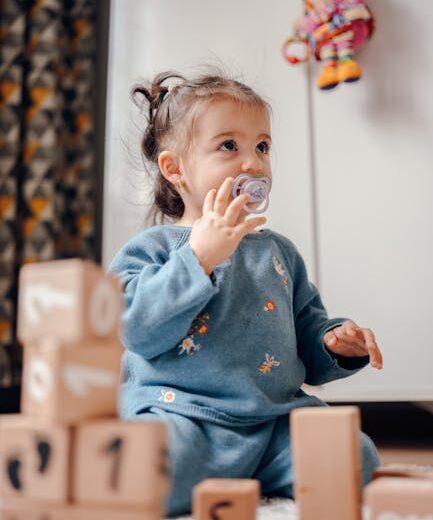
- Natural and Open-Ended Sensory Toys: Materials like wood, stone, and natural fibers will be favored for their tactile and calming qualities. Open-ended toys like building blocks, art supplies, and loose parts will encourage creativity and exploration.
- Toys That Support Emotional Regulation: Weighted blankets, calming fidget toys, and books that address feelings and emotions will help children manage stress and anxiety.
- Cooperative Games: Games that emphasize teamwork, communication, and empathy will foster social skills and build positive relationships.
By understanding these key trends, parents can make informed choices about the toys they purchase, ensuring that their children are engaged, educated, and prepared for the future.
Expert Editorial Disclosure
Verified by the Shopmader Editorial Team. Every toy is evaluated for safety, sensory value, and educational merit based on 2026 development standards.