Watercolor Painting Sets for Beginners: A Developmental Gateway
Watercolor painting offers young children a rich avenue for self-expression and cognitive development. Selecting the right beginner set ensures a positive and enriching experience.
- Prioritize non-toxic, washable paints and brushes with easy-to-grip handles.
- Opt for sets that include a variety of colors and paper suitable for watercolor.
- Encourage experimentation and focus on the process, not just the final product.
Developmental Benefits of Watercolor Painting
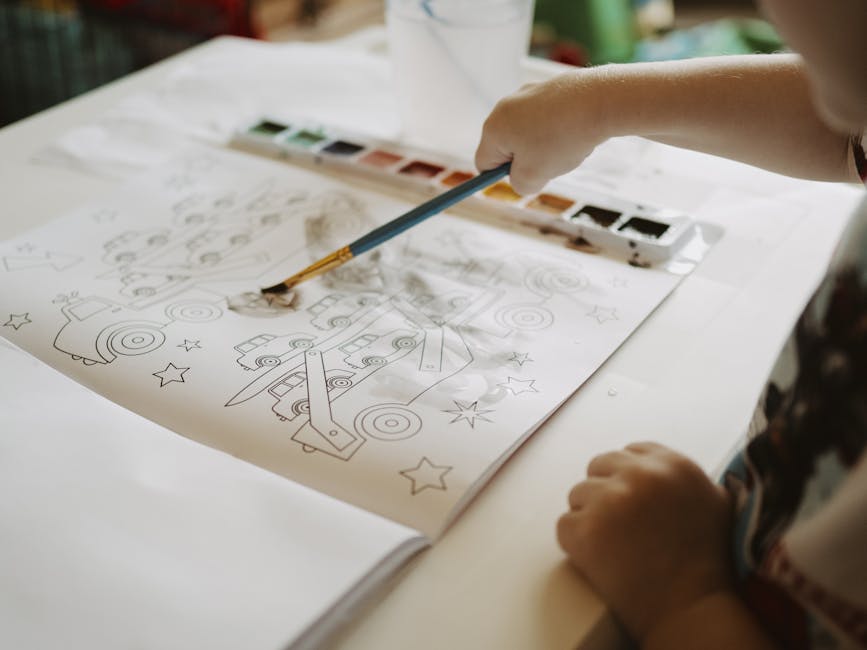
Watercolor painting fosters a range of crucial developmental skills in children. It enhances fine motor skills through brush control and hand-eye coordination. The act of mixing colors introduces basic concepts of color theory and encourages experimentation, promoting creativity and problem-solving abilities. Furthermore, expressing themselves through art can boost a child’s confidence and emotional intelligence, allowing them to communicate feelings and ideas non-verbally.
The act of selecting colors, deciding on a composition, and executing the painting nurtures decision-making abilities. Watercolor painting also inherently teaches patience, as washes require time to dry and blending techniques often involve layering. The forgiving nature of watercolor allows for correcting “mistakes,” fostering resilience and a willingness to learn from setbacks.
Expert Safety Tips for Watercolor Sets
Safety is paramount when introducing young children to art supplies. Always choose watercolor sets labeled as non-toxic and AP-certified, ensuring they meet strict safety standards. Washable paints are highly recommended for easy cleanup and to prevent staining of clothing and surfaces. Supervise children closely during painting sessions to prevent them from ingesting paint or brushes. Ensure proper ventilation in the painting area.
Examine brushes for loose bristles that could pose a choking hazard. Store painting supplies out of reach when not in use. Teach children to wash their hands thoroughly after painting. For very young children, consider using larger brushes and thicker paper to facilitate easy handling.
Activity Ideas to Spark Creativity
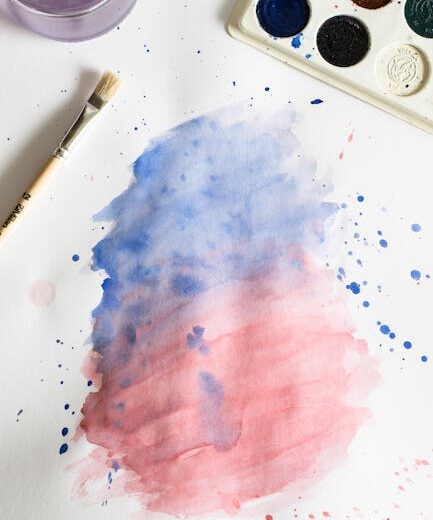
Begin with simple projects to build confidence. Start by exploring the concept of color mixing, allowing children to experiment with creating new shades. Introduce basic shapes and encourage them to paint objects they see around them. Try using watercolor crayons or pencils in conjunction with traditional paints to add texture and detail.
Leaf painting is another excellent activity. Children can collect leaves from outside, trace them onto paper, and then paint them using a variety of colors. Another engaging activity is wet-on-wet painting, where children apply paint to wet paper, creating soft, diffuse effects. Resist the urge to provide prescriptive instructions, allowing for open-ended exploration and self-directed learning.
Real-World Experience
My own daughter, initially hesitant about art, blossomed when introduced to a watercolor set. The vibrant colors and the forgiving nature of the medium allowed her to experiment without fear of failure. She particularly enjoyed painting landscapes and creating whimsical characters. The process noticeably improved her fine motor skills and her ability to focus for extended periods.
Seeing her pride in the finished artwork was immensely rewarding. Watercolor quickly became a cherished activity, fostering her creativity and self-expression. It taught her the importance of patience and problem-solving, skills that have benefited her in other areas of her life. Choosing the right beginner set was crucial; a set with good quality paper and a variety of colors helped to make the experience positive and enjoyable from the start.
Frequently Asked Questions (FAQs)
What age is appropriate for watercolor painting?
Children as young as three years old can begin watercolor painting with proper supervision and non-toxic materials. Start with simple activities and focus on exploration rather than perfection.
What supplies are included in a typical watercolor painting set for beginners?
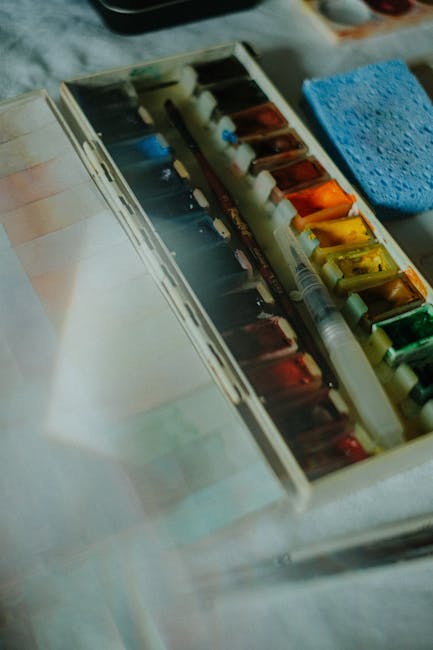
A beginner set usually includes a palette of watercolor paints, a set of brushes, watercolor paper, and sometimes a mixing tray or palette.
How do I clean up after a watercolor painting session?
Watercolor paints are water-soluble, making cleanup easy. Simply rinse brushes and palettes with water. Wipe up spills with a damp cloth. Washable paints can be easily removed from clothing with soap and water.