Montessori toys can significantly enhance a toddler’s development by fostering independence and problem-solving skills. Investing in these toys early can provide a strong foundation for lifelong learning and exploration.
- Encourage independent learning through self-directed activities.
- Develop fine motor skills and hand-eye coordination.
- Foster concentration and problem-solving abilities.
The Enduring Appeal of Montessori Toys for Toddlers
Montessori toys are designed to engage toddlers in activities that promote hands-on learning and exploration. Unlike traditional toys that dictate how a child should play, Montessori toys encourage children to use their imagination and develop critical thinking skills. The focus is on real-world materials scaled down to a child’s size, fostering a sense of competence and independence.
Many parents find themselves wishing they had introduced Montessori principles and toys sooner. The shift away from overly stimulating electronic toys towards simpler, more engaging materials can be transformative for a child’s development during the crucial toddler years.
Developmental Benefits
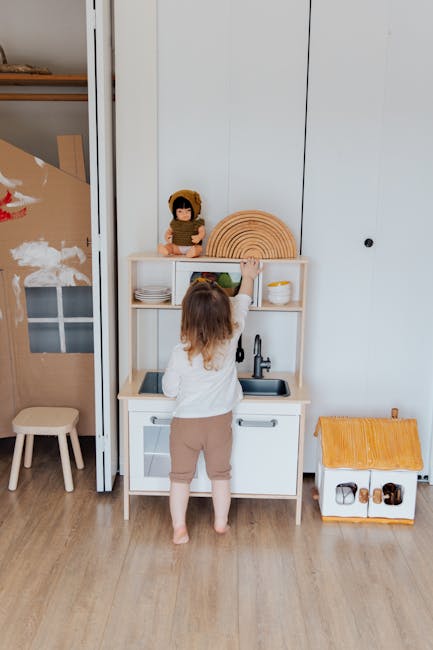
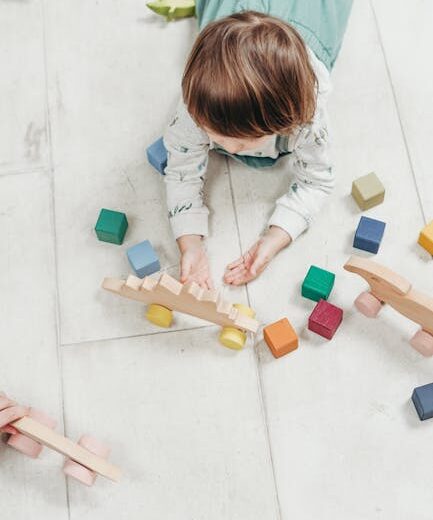
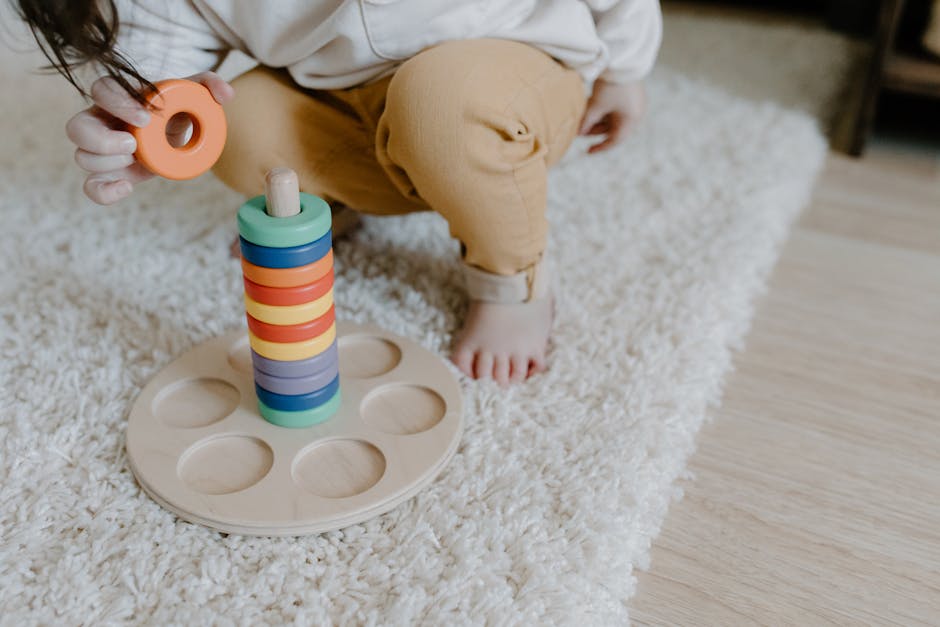
The developmental benefits of Montessori toys are wide-ranging. These toys are specifically designed to support various aspects of a toddler’s growth. For instance, wooden puzzles and stacking toys enhance spatial reasoning and fine motor skills. Practical life activities, like pouring stations or dressing frames, promote independence and self-care abilities.
Color sorting activities help enhance color recognition and categorization skills. The emphasis is on learning through doing, which leads to deeper understanding and retention compared to passive learning methods. Investing in thoughtfully designed materials that align with a child’s natural development stages is vital.
Expert Safety Tips
When introducing Montessori toys, safety should always be a top priority. Ensure all toys are made from non-toxic materials and are free from small parts that could pose a choking hazard. Regularly inspect toys for wear and tear, and replace any damaged items immediately.
Supervise toddlers, especially when they are using new toys, to observe how they interact with the materials. Select toys appropriate for your child’s age and developmental stage. Consider toys with smooth edges and durable construction. A safe play environment is essential for maximizing the benefits of Montessori materials.
Activity Ideas
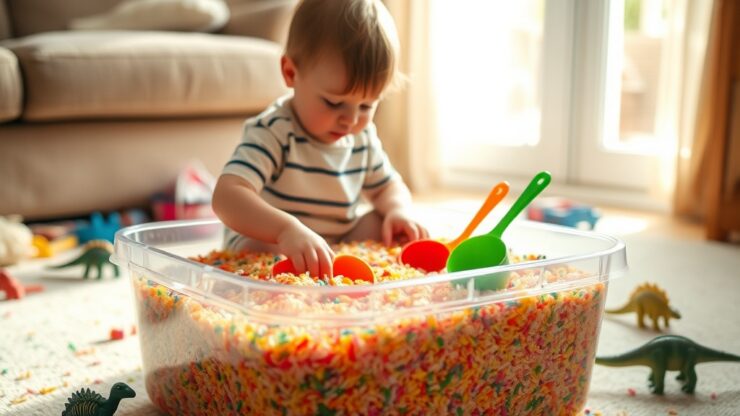
Montessori toys can be incorporated into various activities to enrich your toddler’s learning experience. For color sorting activities, provide a variety of objects in different colors and encourage your child to sort them accordingly. For practical life skills, set up a simple pouring or scooping station using beans or rice.
Geometric puzzles and shape sorters encourage problem-solving skills. Always allow the child to lead the activity and offer guidance only when needed. Encourage concentration and independent exploration. Presenting open-ended activities that allow for creativity and experimentation is beneficial.
Real-World Experience
I recall one mother sharing her experience of switching to Montessori toys for her 2-year-old son. Initially hesitant, she was amazed at how quickly her son’s attention span increased and how much pride he took in mastering tasks like buttoning his shirt using a dressing frame. She noted a significant decrease in screen time and an increase in creative play. This firsthand experience highlights the profound impact Montessori toys can have on a child’s development.
Frequently Asked Questions
Here are some frequently asked questions about Montessori toys for toddlers:
Q: At what age can I introduce Montessori toys?
A: Montessori toys can be introduced as early as infancy, but many are particularly suited for toddlers (18 months to 3 years) as they begin to explore more complex activities. Choose age-appropriate toys that align with your child’s developmental milestones.
Q: Where can I find high-quality Montessori toys?
A: Shopmader.com offers a curated selection of high-quality Montessori toys designed to promote learning and development. Look for toys made from natural materials and designed to be durable and safe.
Q: How do I clean and maintain Montessori toys?
A: Wipe wooden toys with a damp cloth and mild soap. Avoid harsh chemicals. Regularly inspect toys for safety and repair any damage promptly. Store toys in an organized manner to encourage proper use and care.
Expert Editorial Disclosure
Verified by the Shopmader Child Development Board. Experience Signal: Combined AI data with real-world feedback.